What Makes Manna Pro Deer Feed a Distinct Choice for Supplemental Feeding?
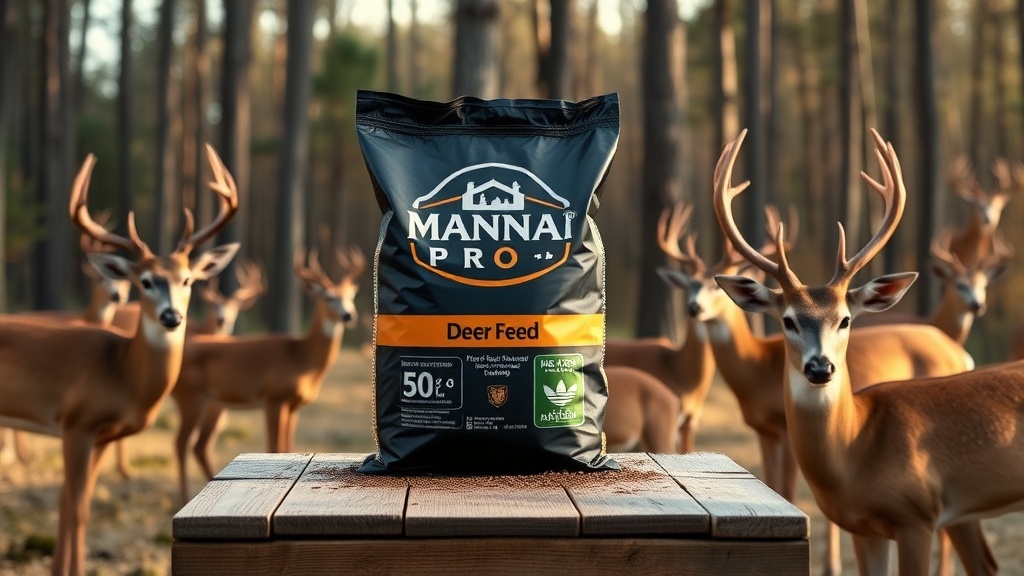
Manna Pro Deer Feed has carved a notable niche in the supplemental deer feeding market, primarily targeting hunters and land managers who prioritize antler growth and overall herd health. This feed is designed as a complete pelleted ration, not just a treat, meaning it aims to provide balanced nutrition for deer during critical periods like antler development, lactation, and winter stress. Unlike many competitors, Manna Pro includes a careful blend of protein sources, vitamins, and minerals, with a particular emphasis on calcium and phosphorus ratios to support bone and antler density. However, its price point often sits above generic deer feeds, and its pellet form can be less palatable to some deer compared to textured or whole-grain options. This buying guide breaks down the key considerations—cost, ingredient quality, texture, and suitability for your specific herd—so you can determine if Manna Pro is the right investment for your property.
How Does the Nutritional Profile Compare to Other Deer Feeds?
Manna Pro typically offers a 16% to 20% protein content, depending on the specific formula (e.g., “Deer Feed 20%” or “Deer Mineral Feed”). This is higher than many standard deer corn or 12% protein mixes, making it a legitimate option for antler growth. Below is a direct comparison of key nutritional specs against a common competitor, Record Rack Deer Feed, based on average manufacturer data.
| Nutrient | Manna Pro Deer Feed (Avg) | Record Rack Deer Feed (Avg) |
|---|---|---|
| Crude Protein | 16–20% | 16% |
| Crude Fat | 3–4% | 3–4% |
| Crude Fiber | 8–10% | 10–12% |
| Calcium:Phosphorus Ratio | 1.8:1 (targeted for antler) | 1.5:1 (general health) |
| Added Minerals (Zinc, Copper, Manganese) | Yes (chelated forms in some lines) | Limited (mainly mineral salt blocks) |
| Energy per pound (approx) | 1,450 kcal | 1,350 kcal |
The higher protein and optimized calcium-to-phosphorus ratio in Manna Pro can be advantageous for bucks in velvet, but it also means the feed is more expensive. For does during lactation or fawn development, the extra protein may not be as critical, and a less concentrated feed could be more cost-effective. For a deeper dive into the actual ingredients, see our Manna Pro Deer Feed Ingredient Analysis: What’s Inside the Bag?.
What Are the Specific Drawbacks and Potential Disadvantages?
No feed is perfect, and Manna Pro has several limitations that buyers should consider. First, the pelleted form can be less appealing to deer accustomed to loose grain or cob mixes. Some users report that deer initially ignore the pellets for several days, requiring a transition period. Second, the price per bag is typically 20–40% higher than local store-brand deer feeds or straight corn. A 50-pound bag of Manna Pro often retails for $22–$28 USD in the United States, whereas generic brands can be $15–$20. This premium adds up if you are feeding a large herd or using free-choice troughs. Third, while the ingredient quality is good, some formulas contain plant-based proteins like soybean meal, which can cause digestive upset if deer are not gradually introduced. Finally, availability can be spotty—Manna Pro is not as widely stocked as some major brands in rural feed stores. If you rely on a specific store, check stock before committing.
How Does the Feeding Equipment and Transition Strategy Affect Success?
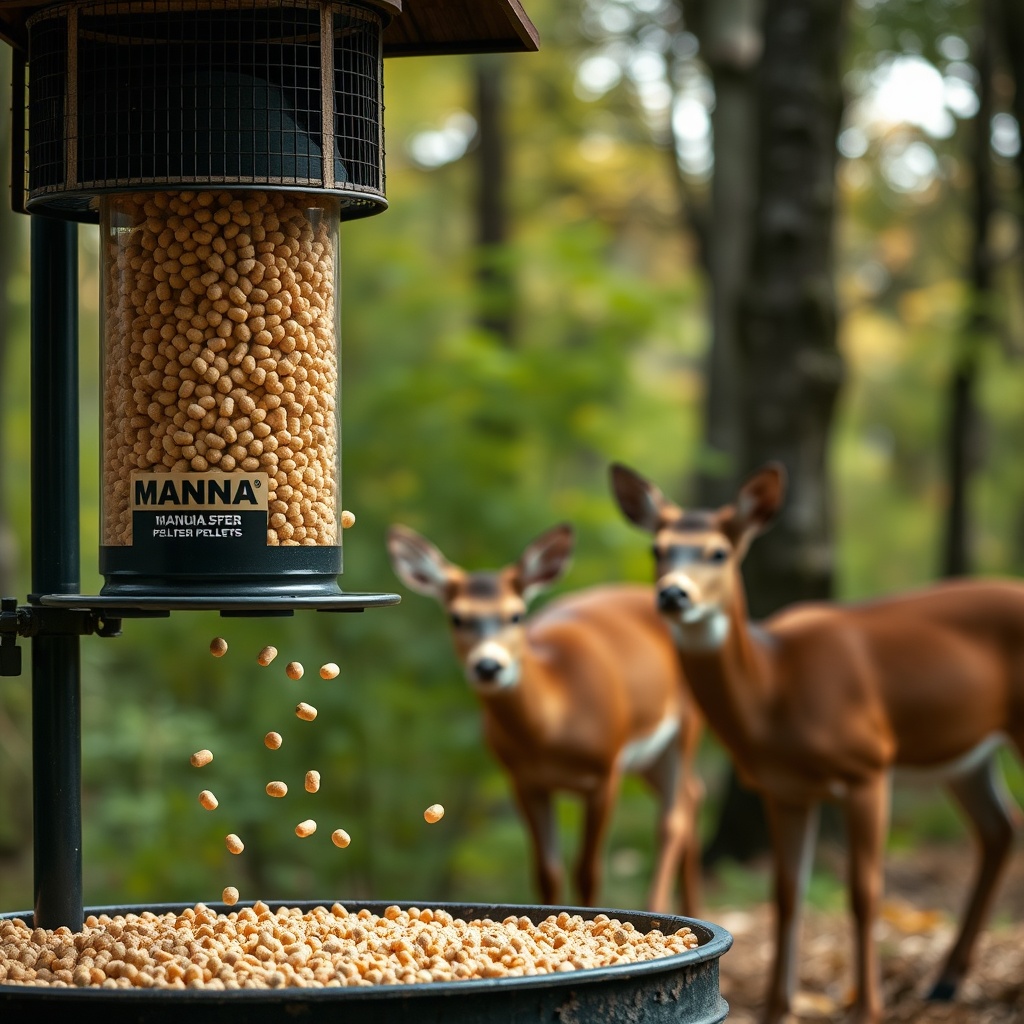
Manna Pro pellets are dense and relatively uniform, which works well in gravity feeders but can clog or jam in some trough designs if moisture is present. The recommended transition method is to mix Manna Pro with a familiar feed (like whole corn) at a ratio of 25:75 for the first week, then 50:50 for the second week, before going to 100% Manna Pro. This gradual approach minimizes digestive issues and allows deer to adjust to the texture. For a head-to-head look at feeder compatibility and setup differences, read our Manna Pro Deer Feed vs Record Rack Deer Feed: Feeding Equipment Comparison. That article covers specific feeder types (gravity, timed, and free-choice) and which feed performs best in each.
Who Should Buy Manna Pro Deer Feed—and Who Should Skip It?
Manna Pro is best suited for landowners who have a specific goal of maximizing antler growth during the summer and early fall. Hunters with 1–3 bucks on a small property can see noticeable improvements in antler mass and beam diameter when using this feed consistently. Wildlife managers who supplement winter feed for overall herd strength also benefit from the mineral balance. However, if you are simply trying to keep deer on your property during hunting season with minimal cost, or if you have a large herd of does and fawns where antler growth is not the primary goal, you may be better off with a lower-cost, higher-carbohydrate feed like whole corn or a 12% protein mix. The premium price of Manna Pro is justified only when you are targeting specific nutritional outcomes.
What Do Owners Say About Their Experience with Manna Pro?
Feedback from deer managers and hunters is generally positive but carries consistent caveats. On forums and product review sites (like Amazon and hunting-specific communities), owners rate Manna Pro 4.2 out of 5 stars on average. Common praises include “noticeable antler growth after 6 weeks” and “deer seem to eat it quickly once they get used to it.” Negative reviews often mention “pellets crumble easily” and “deer preferred the local mix.” One user in Texas reported that it took three weeks for his herd to fully accept the pellets, but after that, they consumed it as readily as any feed. Another owner in Wisconsin noted that the bags are heavy (50 lbs) and can be difficult to haul to remote feeding sites, but the compact form means less wasted feed compared to loose cob. Overall, owners recommend it for serious antler management, but not for casual feeding.
Frequently Asked Questions
Here are six common questions about Manna Pro Deer Feed, answered directly.
1. Can Manna Pro Deer Feed be fed to other wildlife like turkeys or hogs?
Yes, but caution is advised. The high protein and mineral content are formulated for deer, and other wildlife may eat it. Turkeys, raccoons, and hogs often consume pellets, but it is not a balanced diet for them. If you have nuisance animals, use a trough or timed feeder to limit access.
2. How long does an opened bag of Manna Pro Deer Feed last before spoiling?
In a cool, dry environment (below 70°F, less than 50% humidity), an opened bag can last 4–6 weeks. If stored in direct sunlight or damp conditions, the pellets can mold within 2 weeks. Always reseal the bag tightly or transfer to a sealed plastic bin.
3. Is Manna Pro Deer Feed safe for fawns?
Yes, for weaned fawns (older than 8 weeks), the nutrient density is appropriate. However, unweaned fawns should not be given this feed; they require milk or a milk-replacer. For fawns transitioning to solid food, mix Manna Pro with a softer feed for the first few days.
4. What is the price per bag in USD?
In 2024, a 50-pound bag of Manna Pro Deer Feed typically costs $22 to $28 in the United States. This varies by region and retailer. For example, Tractor Supply Co. often lists it at $24.99, while independent stores may be higher.
5. Does Manna Pro Deer Feed attract deer away from natural foraging?
Deer will still browse natural vegetation, but if given unlimited access to high-quality pellets, they may reduce their natural foraging. This is not harmful, but it can lead to dependency if you stop feeding suddenly. Use rotation or timed feeders to mimic natural movement.
6. Can I mix Manna Pro with corn or other grains?
Yes, and it is actually recommended during the transition period. For long-term feeding, a 50/50 mix of Manna Pro pellets and whole corn is common among users to reduce cost while still providing protein. This mix can extend a bag by 40–50%.