Introduction
Deer digestive upset ranks among the top reasons keepers reach for the phone, but many cases stem from simple management misses rather than product flaws. BuckFeed Deer Feed delivers a balanced, forage-based ration designed to minimize fermentation hiccups, yet even the best feed can cause trouble if transition practices or water availability slip. This article walks through six common digestive snags, each paired with practical troubleshooting steps, plus real keeper experiences and a detailed FAQ to keep your herd comfortable and thriving.
1. Why Are Deer Suddenly Refusing BuckFeed Deer Feed When They Ate It Fine Before?
Sudden refusal of BuckFeed Deer Feed usually indicates a disruption in the rumen environment rather than a feed change on the manufacturer’s side. Deer are creatures of habit, and their gut flora adapts to consistent inputs. If you recently switched from a lower‑protein ration to a higher‑protein formula — say from a maintenance blend to the BuckFeed Deer Feed Summer Formula: High‑Protein Blend for Peak Antler Growth — the sudden protein spike can cause acidosis or bloat, leading to feed refusal. Other culprits include spoiled feed from moisture, mold growth, or contamination from rodents.
Troubleshooting: Check feed bins for moisture, mold, or off‑odors. If feed appears fresh, examine water sources — stale or frozen water often drives refusal more than feed quality. Gradually reintroduce the feed over five to seven days by mixing old and new rations, starting at 25% new, 75% old, and increasing by 25% every two days. For deer that still refuse, offer a small handful of their previous feed for one day to reset appetite, then restart the transition.
2. My Deer Have Loose Stools After Starting BuckFeed Deer Feed – What Am I Doing Wrong?
Loose stools or diarrhea within the first week of feeding BuckFeed Deer Feed often signal too‑rapid transition or overconsumption of high‑protein feed. Deer rumens require about 10 to 14 days to adjust to new forage blends, especially when moving from natural browse to a concentrated ration. The BuckFeed Deer Feed: Spring Formula for Optimal Fawn Growth and Development delivers 18% crude protein, which can shock a rumen used to 12% or less.
Troubleshooting: Immediately reduce daily portion by half and offer free‑choice hay or native forage for 48 hours. Increase water availability, as dehydration worsens diarrhea. After the two‑day rest, reintroduce BuckFeed at half the recommended amount, then increase by 10% every third day until back to full portion. If stools remain watery beyond seven days, consult a wildlife veterinarian — bacterial overgrowth or coccidiosis may be present. Never mix medications into feed without professional guidance, as some antibiotics disrupt rumen flora.
| Symptom Severity | Likely Cause | Action | Expected Resolution |
|---|---|---|---|
| Mild (occasional soft stool) | Transition too fast | Reduce portion, increase hay | 3–5 days |
| Moderate (persistent diarrhea) | Overconsumption of protein | Half ration, vet check | 7–10 days |
| Severe (blood or mucus) | Infection or toxicity | Immediately stop feed; vet | 1–2 days with treatment |
3. Deer Are Bloating After Eating BuckFeed Deer Feed – Is This Normal?
Bloat is never normal and requires immediate action. BuckFeed Deer Feed is formulated with moderate roughage and low starch to reduce gas entrapment, but bloat can still occur when deer gorge after a period of restricted feeding, or when the feed gets waterlogged. The BuckFeed Deer Feed: Fall Transition Nutrition for Antler Growth and Health uses added yeast culture to stabilize rumen pH, but if feeders are left open in rain, feed can ferment in the trough, producing carbon dioxide that deer inhale while eating.
Troubleshooting: First, stop all feed immediately and observe the deer. If standing, encourage gentle movement to release gas. For mild bloat (distended left side but breathing steady), offer free‑choice sodium bicarbonate (baking soda) at 20 grams per 100 lb of body weight mixed into water. Never attempt stomach tubing without training. Call a veterinarian if bloat persists beyond two hours or if deer shows labored breathing, staggering, or lying down. To prevent recurrence, use a covered feeder — see our BuckFeed Deer Feed: Feeder Comparison — Testing Top Models for Efficiency and Durability for weather‑resistant options that keep feed dry.
4. Can Moldy BuckFeed Deer Feed Cause Digestive Upset?
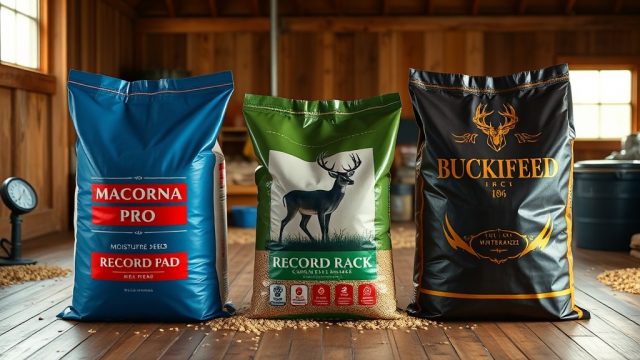
Absolutely. Moldy feed is the second most common cause of deer digestive issues after poor transition. BuckFeed Deer Feed uses a live‑yeast additive that competes with molds when stored properly, but once moisture exceeds 14%, aflatoxins and zearalenone can appear and cause vomiting, diarrhea, or neurological symptoms. Feed stored in metal bins directly on concrete floors in humid climates is at highest risk. Even BuckFeed Deer Feed vs Manna Pro: Fall Nutrition Comparison for Antler Growth notes that both products work best in dry conditions, but BuckFeed’s pellet density tends to resist moisture longer.
Troubleshooting: Discard any feed with visible mold, musty odor, or clumping. Do not attempt to feed it to birds or other livestock — aflatoxins can carry over to meat animals. Clean the feeder thoroughly with a 10% bleach solution, rinse well, and allow to dry completely for 48 hours. Restock with a fresh bag of BuckFeed, but start at half the usual amount for three days. Add a commercial mold inhibitor per manufacturer directions if you live in high‑humidity zones. Check all feed storage weekly during rainy seasons.
5. Why Do Deer Drop Condition On BuckFeed Deer Feed During Late Summer?
Deer naturally experience a “summer slump” in appetite due to heat stress, but if you’re seeing actual weight loss or poor coat condition while feeding BuckFeed, the issue likely ties to protein‑to‑energy balance. BuckFeed’s BuckFeed Deer Feed vs Record Rack: Summer Formula Comparison for Antler Growth shows that BuckFeed offers 16% crude protein with 3.5% fat, but in extreme heat (above 90°F/32°C), deer may reduce intake by 30%, leaving them short on energy. The rumen also slows fermentation in high heat, reducing digestibility of fiber.
Troubleshooting: Switch to the BuckFeed Deer Feed Summer Formula: High‑Protein Blend for Peak Antler Growth which includes added molasses for palatability and extra fat for energy density. Provide electrolyte‑enhanced water (sodium chloride, potassium, and magnesium) during heat waves. Offer feed in the cooler morning or evening hours rather than free‑choice all day. Monitor body condition scores weekly; if a deer loses more than 1 on a 5‑point scale, consult a vet for possible parasitic load.
6. What About Toxic Plants Mixed with BuckFeed Deer Feed – How to Spot Digestive Distress?
Deer are selective browsers, but in pen‑feeding situations, they might ingest toxic plants like nightshade, milkweed, or bracken fern growing near feeders. BuckFeed Deer Feed itself is non‑toxic, but if deer consume contaminated forage alongside the feed, symptoms like drooling, trembling, or greenish diarrhea can appear within hours. Most toxic reactions mimic digestive upset, so keepers often blame the feed when the real cause is flora in the enclosure.
Troubleshooting: Isolate affected deer immediately and remove all feed and water for 12 hours. Offer only fresh water and clean hay. Inspect the feeder area for weeds — pull any suspicious plants and send photos to a local extension service for identification. Activated charcoal (1 gram per kg body weight) may absorb toxins if given within two hours of ingestion, but always under veterinary guidance. After 12 hours, reintroduce a small handful of fresh BuckFeed; if symptoms return, the feed is not the cause. Prevent recurrence by clearing a 10‑foot radius around feeders and using a gravel base.
What Owners Say
Keeper reviews on BuckFeed Deer Feed highlight both its strengths and occasional challenges. “I’ve used BuckFeed for three seasons now,” writes Mark T., a whitetail breeder in Kentucky. “During the first spring, I switched too fast from a 14% ration to the spring formula and got soft stools. Slowing down the transition fixed everything. Now I mix for 10 days before summer.” Another keeper, Sarah L. from Michigan, notes: “Bloating happened once when a rainstorm soaked the feed. Since installing a covered feeder from your comparison, zero issues. I also add baking soda to the water during hot spells, per a vet’s advice.” Overall, most owners report steady antler growth and bright coats when following transition guidelines.
Frequently Asked Questions
Q: How long does it take for deer to adjust to BuckFeed Deer Feed?
A: Allow a minimum of 10 to 14 days for full rumen adaptation. Start with 25% BuckFeed mixed with 75% previous feed, then increase by 25% every 3–4 days.
Q: Can I give baking soda to deer with bloat?
A: Yes, dissolved in water at 20 grams per 100 lb of body weight. Offer as a drench or in a water trough, but only for mild bloating. Seek vet help for severe cases.
Q: Is it safe to mix medications into BuckFeed Deer Feed?
A: Avoid mixing antibiotics or dewormers directly into the feed unless prescribed by a veterinarian. Overdosing or stomach upset can result. Use medicated additives specifically formulated for deer.
Q: What moisture level causes mold in BuckFeed?
A: Feed stored above 14% moisture content will likely develop mold within 5–7 days. Always store in cool, dry conditions (below 70°F) in sealed containers.
Q: Can fawns eat the same BuckFeed as adults?
A: No. Use the BuckFeed Deer Feed: Spring Formula for Optimal Fawn Growth and Development for fawns under six months, as it contains higher phosphorus for bone growth and smaller pellets.
Q: How do I know if feed is spoiled before deer eat it?
A: Look for discoloration, clumping, musty smell, or insects. Sprinkle a small handful in water — if it floats and smells sour, discard. Fresh BuckFeed pellets sink and smell like molasses and grain.