Introduction
BuckFeed Deer Feed is a premium nutritional supplement designed to support antler growth, fawn development, and overall herd health throughout the year. However, even the best feed can lose its potency if not stored correctly, leading to wasted money and potential health risks for deer. This guide provides actionable troubleshooting tips for mold prevention, moisture control, and maintaining freshness while maximizing every dollar spent.
How Can You Prevent Mold in BuckFeed Deer Feed?
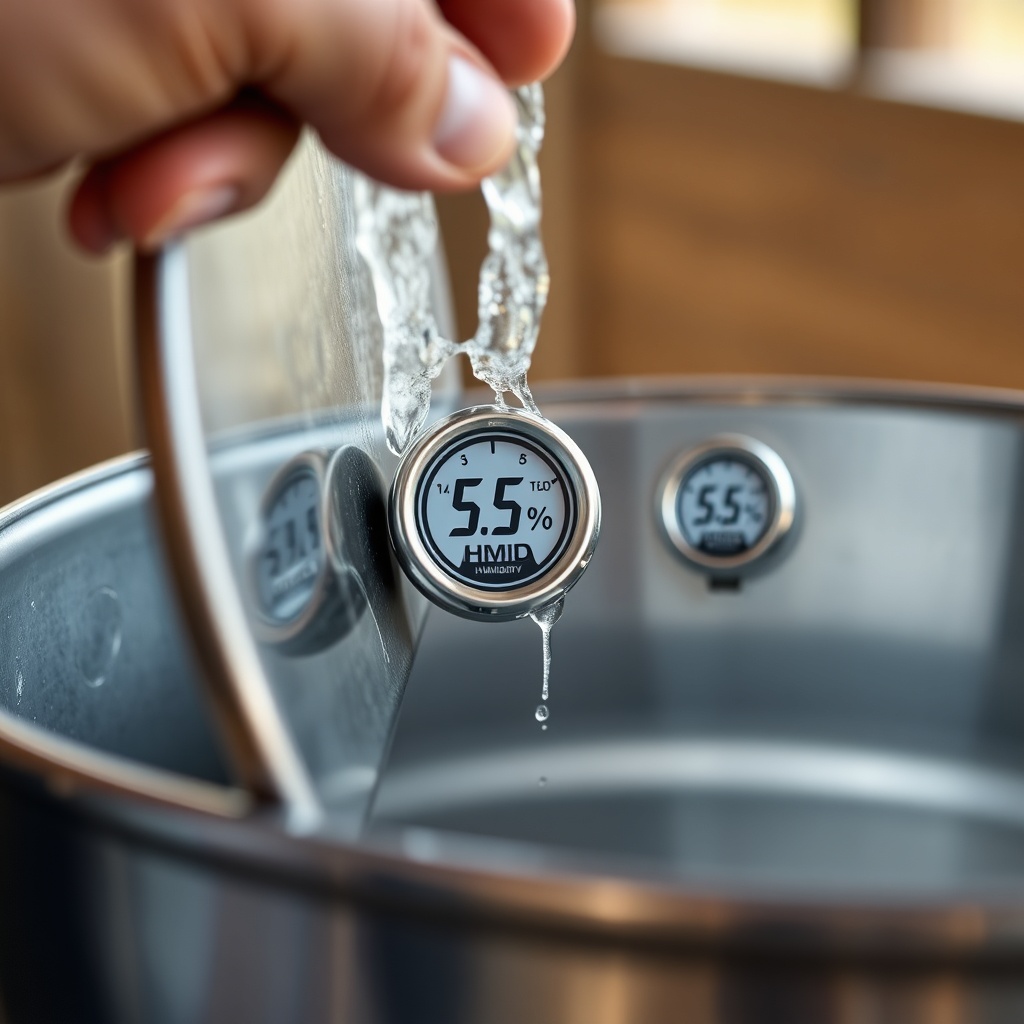
Mold develops when moisture exceeds 13–14% in stored feed, creating toxic mycotoxins that can harm deer. BuckFeed Deer Feed is formulated with antioxidant preservatives, but improper storage overrides these safeguards. Always store feed in a cool, dry location—under a covered porch or in a sealed metal bin—away from direct rain and ground moisture. If you notice clumpy or powdery feed, check for condensation inside plastic bags; this often triggers mold even in low-humidity climates. Regularly inspect the smell of stored feed; musty odors indicate early mold growth. For best results, transfer feed to an airtight, food-grade container within two weeks of opening, especially if humidity exceeds 60%.
What Are the Best Storage Solutions for Long-Term Freshness?
Investing in proper containers saves money over time. Below is a comparison of common storage options for your BuckFeed Deer Feed, including approximate costs in USD ($).
| Storage Method | Cost (USD) | Mold Risk | Best For |
|---|---|---|---|
| Original plastic bag | $0 | Medium | Short-term (≤2 weeks) |
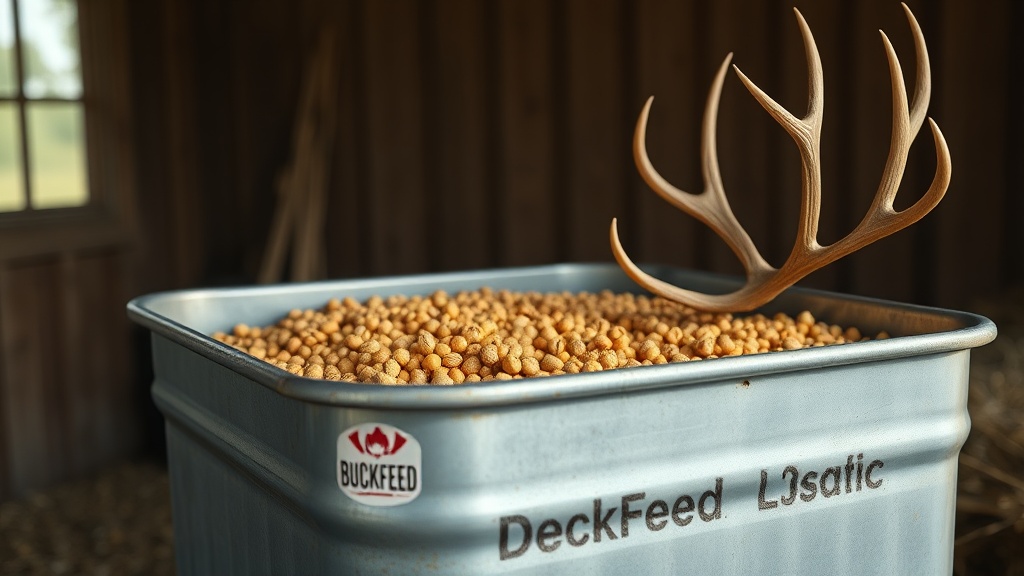
| Galvanized steel bin with lockable lid | $45–$70 | Low | Long-term (3–6 months) |
| Heavy-duty plastic 55-gallon drum | $30–$50 | Very low | Seasonal bulk storage |
| Plastic bag inside wooden crate | $15–$25 | Medium-High | Avoid this combination |
Use food-grade bins that are properly cleaned between batches. Avoid wooden containers, which absorb moisture and encourage mold growth. For seasonal feeding, store feed in a shaded shed or garage, ideally at temperatures below 70°F (21°C).
How Does Humidity Affect BuckFeed Pellet Integrity?
High humidity—common in spring and fall—softens pellets, making them crumble and spoil faster. BuckFeed Deer Feed pellets are engineered to withstand moderate moisture, but sustained exposure above 70% relative humidity triggers clumping and nutrient leaching. In humid climates (e.g., the Southeast United States), store feed in an air-conditioned space if possible, or use desiccant packets inside sealed containers. Check pellets weekly: if they feel rubbery or stick together, reduce ventilation in the bin. Conversely, in dry climates, occasional moisture misting (not soaking) can improve palatability without risking mold.
What Are the Signs of Spoiled BuckFeed Deer Feed?
Visual cues include white or green fuzzy patches on pellets, a sour or fermented smell, and a sticky texture. Deer that consume spoiled feed may develop digestive upset, lethargy, or even grain overload. If you notice any of these signs, discard the affected feed immediately and sanitize the storage bin with a mild bleach solution (1 part bleach to 9 parts water) before refilling. Always test a small batch of suspect feed by placing a handful in a sealed plastic bag for 24 hours—if condensation appears and the smell worsens, discard the entire lot. Regular inspection is critical, especially for feed stored for high-protein antler formulas that contain higher digestible energy.
Can You Freeze BuckFeed Deer Feed for Extended Freshness?
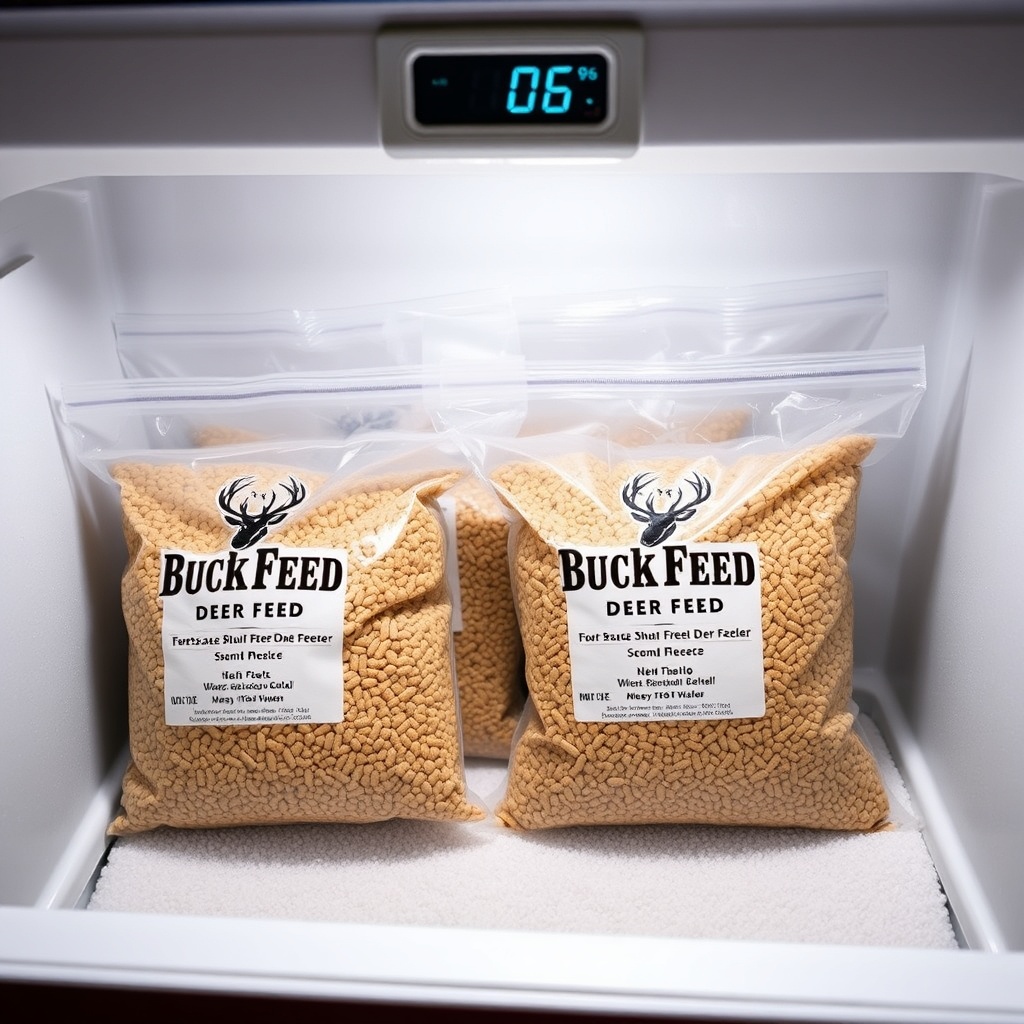
Freezing is safe and effectively halts mold growth and insect infestation. BuckFeed Deer Feed can be stored in a deep freezer at 0°F (-18°C) for up to 12 months without significant nutrient loss. Use vacuum-sealed or double-bagged portions (e.g., 5–10 lb bags) to avoid freezer burn. Thaw feed gradually in the refrigerator to prevent condensation, and feed within 48 hours of thawing. This method works well for hunters who buy bulk during discounts in summer, as detailed in summer feeding tips, to feed deer in winter hunts. Remember that frozen feed is less aromatic, so deer may take longer to accept it; mix with fresh feed initially.
What Owners Say About Mold and Storage Issues
Hunters and wildlife managers report that BuckFeed Deer Feed is resilient under normal conditions, but moisture is the primary culprit when problems arise. In Texas, a ranch operator shared: “I stored a 50-lb bag in a galvanized bin in a shed for three months in high humidity—no mold, just a few crumbs. The feed stayed fresh, and deer ate it readily.” In Florida, a user noted: “I left a bag on a concrete floor for one week after rain—mold appeared on the bottom. Now I always use a pallet.” Overall, owners stress that paying $50–$80 USD for a sealed bin prevents far more costly feed spoilage. For fawn development, one breeder commented: “BuckFeed works best when stored cool and dry; my fawns grew well without any digestive issues after I improved storage.”
Frequently Asked Questions
1. How long does BuckFeed Deer Feed last after opening?
When stored in a sealed bin at room temperature (below 75°F or 24°C), opened feed stays fresh for 3–4 weeks. In a cool, dry place, it can last up to 6 weeks.
2. Can I use BuckFeed after the expiration date?
Do not use feed past the printed best-by date, typically 6–12 months from production. Nutrients degrade, and mold risk increases significantly after expiration even if stored perfectly.
3. What is the ideal storage temperature for BuckFeed?
Keep feed between 40°F and 70°F (4°C–21°C). Excessive heat above 80°F (27°C) accelerates fat rancidity and vitamin loss.
4. Does BuckFeed have preservatives that prevent mold naturally?
Yes, the formula includes organic acids and low-moisture processing to inhibit microbial growth, but these are not foolproof. Proper storage remains essential for long-term freshness.
5. Should I store BuckFeed in its original bag inside a bin?
Yes, placing the original bag inside a sealed metal or heavy-duty plastic bin adds a moisture barrier. Avoid leaving the bag partially open inside the bin.
6. How can I treat a small mold patch on a pellet?
Do not attempt to salvage any visible mold. Discard the entire bag, as mycotoxins can spread invisibly. Clean the bin thoroughly before adding fresh feed.