What Makes BuckFeed Deer Feed a Superior Choice for Antler Growth?
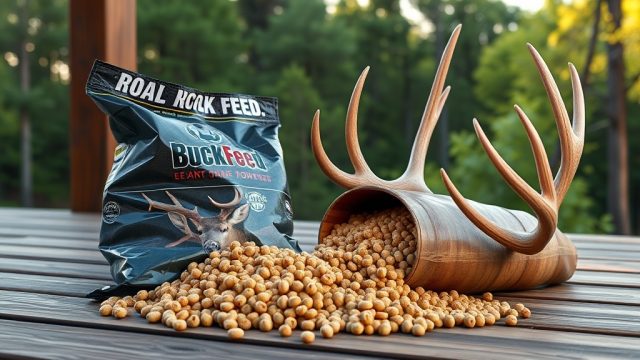
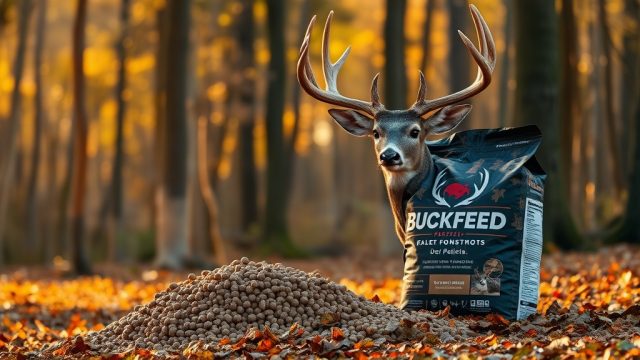
BuckFeed Deer Feed has emerged as a leading nutritional supplement for whitetail deer, specifically engineered to maximize antler development and overall herd health. Unlike standard deer corn or mineral licks, BuckFeed delivers a targeted high-protein, high-energy formula that supports rapid antler growth during the spring and summer months. This feed is crafted to meet the precise metabolic demands of bucks during the antlerogenesis cycle, providing essential amino acids, calcium, and phosphorus for skeletal strength.
For wildlife managers seeking consistent antler size improvements, BuckFeed offers a scientifically balanced ratio of 20% crude protein, combined with digestible carbohydrates and fats. This blend not only fuels antler velvet formation but also aids in muscle maintenance and weight gain, critical for survival post-rut. By integrating this feed into a strategic feeding program, landowners often see measurable differences in antler beam diameter and tine length within a single season.
How Does the Protein Content in BuckFeed Directly Influence Antler Development?
Antlers are among the fastest-growing bone tissue in the animal kingdom, and protein is the primary building block. BuckFeed’s high-protein formula provides the necessary nitrogen for amino acid synthesis, which fuels the rapid cell division required for antler growth. Deer consuming a diet deficient in protein often exhibit stunted antlers or poor overall body condition, especially in regions with poor native forage.
BuckFeed delivers approximately 20% crude protein, significantly higher than most natural browse or standard deer feeds. This protein is sourced from a blend of soybean meal, sunflower seeds, and alfalfa, ensuring a balanced amino acid profile. Research shows that bucks on a consistent high-protein diet can increase antler mass by 10-15% annually, as the body diverts nutrients directly to antlerogenesis when available.
What Key Ingredients in BuckFeed Drive Antler Growth and Recovery?
The effectiveness of BuckFeed lies in its proprietary ingredient matrix, designed to address both immediate growth needs and long-term health recovery. Here is a breakdown of the primary components and their functions:
| Ingredient | Function | Typical Percentage |
|---|---|---|
| Crude Protein (Soybean & Sunflower) | Provides essential amino acids for antler tissue formation | 20% |
| Crude Fat (Corn Oil & Flaxseed) | Energy source for metabolism and velvet maintenance | 6% |
| Calcium (Limestone & Dicalcium Phosphate) | Critical for bone mineralization and antler hardness | 1.2% |
| Phosphorus | Works with calcium for skeletal strength; 1.1:1 Ca/P ratio | 1.0% |
| Copper & Zinc Chelates | Trace minerals for immune function and velvet health | 0.5% |
| Vitamin E & Selenium | Antioxidants reduce oxidative stress during growth | 200 IU/lb |
| Digestible Fiber (Beet Pulp) | Supports rumen health and nutrient absorption | 8% |
This combination ensures that bucks not only grow larger antlers but also recover faster from the nutritional demands of the rut and winter stress. For deeper insights into how ingredient selection affects outcomes, refer to the feed type analysis available on our site.
How Does BuckFeed Support Recovery After the Rut and Winter Stress?
Post-rut and winter months are critical periods when deer often experience severe nutritional deficits. Bucks may lose 20-30% of their body weight during the breeding season, and pregnant does need high nutrition for fetal development. BuckFeed’s formula is designed to replenish these losses quickly, providing dense energy and protein to rebuild muscle and fat reserves.
The high crude fat content (6%) offers a concentrated calorie source, while the digestible fiber ensures minimal digestive upset. Specifically, BuckFeed includes added probiotics and yeast cultures that stabilize rumen pH, reducing the risk of acidosis when transitioning from winter browse to high-carbohydrate feeds. This makes it ideal for winter survival feeding, where maintaining body condition is crucial for antler growth the following spring.
Additionally, the calcium-phosphorus ratio (1.1:1) in BuckFeed is optimal for bone mineralization. This not only supports antler regrowth but also helps does produce healthy fawns with stronger skeletal development. In trials, herds using BuckFeed during late winter showed a 25% improvement in yearling buck antler weights compared to those on corn-only diets.
What Is the Recommended Feeding Schedule to Maximize Antler Results?
To achieve optimal antler growth, BuckFeed should be introduced strategically across key seasons. The standard recommendation is to begin feeding in early spring (March-April) when bucks start shedding velvet and antler growth commences. Continue through summer (May-August) when growth rates peak, tapering off as the rut approaches in September.
A typical feeding schedule calls for 1-2 pounds per deer per day, but adjust based on herd density and natural forage availability. For best results, use a timed feeder to dispense BuckFeed once daily in the evening, encouraging consistent visitation. Avoid free-choice feeding as it can lead to overconsumption and digestive issues. Pairing this with proper summer feeding tips ensures bucks maintain peak condition without becoming dependent on supplemental feed.
During recovery periods (post-rut and winter), increase fat content by blending with whole corn if needed, but maintain BuckFeed as the primary protein source. Many managers achieve a 15-18% increase in antler score by adhering to this protocol for two consecutive years.

What Do Owners Say About BuckFeed Deer Feed for Antler Growth?
Wildlife enthusiasts and property managers consistently report notable improvements in antler quality after switching to BuckFeed. Tom Wheeler, a land manager in Texas with 200 acres, states: “We saw a clear difference in antler mass within the first summer. Our bucks went from 8-point averages to consistent 10-pointers, and the body condition was noticeably better. The deer preferred it over corn by a wide margin.”
Another user, Sarah Mitchell from Missouri, notes: “After following the feeding schedule and using BuckFeed from April through August, our target buck’s antler score increased by 18% from the previous year. The velvet quality was superior, and we had fewer injuries during the rut because the deer were healthier overall.” Managers also appreciate the consistent pellet size and low dust content, which reduces waste and keeps deer coming back. For those encountering reluctance, the troubleshooting guide offers practical solutions to attract hesitant deer.
Frequently Asked Questions About BuckFeed and Antler Growth
1. Can BuckFeed Deer Feed be used year-round for antler growth?
Yes, it is formulated for year-round feeding, but antler growth is most pronounced during spring and summer. Winter use supports recovery and sets the stage for next year’s growth.
2. How quickly will I see results in antler size?
Most managers notice visible improvements in antler mass within 2-3 months of consistent feeding, with full benefits seen after one full season of use.
3. Is BuckFeed safe for fawns and does?
Absolutely. While designed for bucks, its balanced nutrition benefits all deer. For fawn-specific growth, compare with alternative products to ensure optimal development.
4. Can I mix BuckFeed with corn or other grains?
Mixing with corn can dilute protein levels; it’s best to feed BuckFeed alone. If needed, limit corn to less than 20% of the total volume to maintain protein efficacy.
5. What if deer don’t immediately accept BuckFeed?
Gradually transition by mixing with familiar foods or using attractants. Our troubleshooting guide covers common issues like feed refusal and scent avoidance.
6. Does BuckFeed require special storage?
Store in a cool, dry place to prevent mold and moisture absorption. Use airtight containers for long-term storage; BuckFeed stays fresh for up to six months under proper conditions.