What Makes BuckFeed Deer Feed a Reliable Choice for Herd Health?
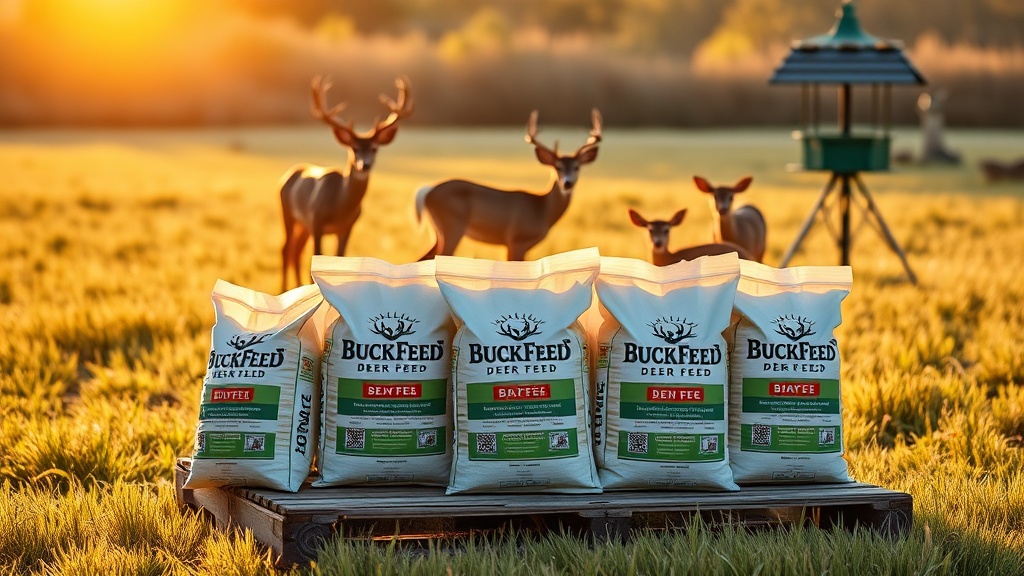
BuckFeed Deer Feed has established itself as a trusted nutritional option for deer enthusiasts and land managers across North America. The product line focuses on delivering balanced, species-specific nutrition that supports antler growth, fawn development, and overall herd vitality. With a growing emphasis on ingredient transparency and digestibility, understanding the specific feed types and their components helps hunters and wildlife managers make informed decisions for long-term herd health.
Whether you are supplementing winter diets or encouraging antler development during spring and summer, BuckFeed offers targeted solutions. For a comprehensive analysis of user experiences and value, refer to our BuckFeed Deer Feed Review: Is It Worth the Hype?.
What Are the Core Feed Types Offered by BuckFeed?
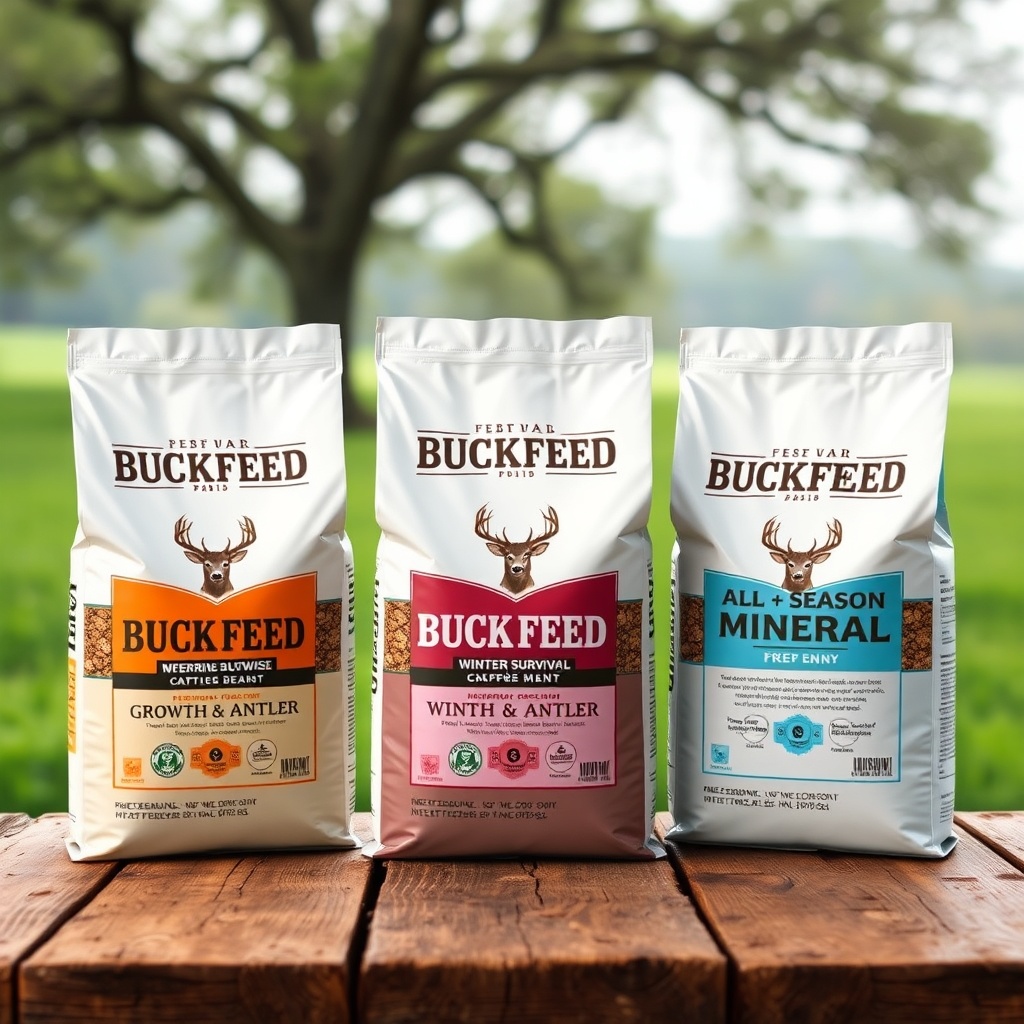
BuckFeed Deer Feed is categorized into three primary formulations, each tailored to specific goals and seasons. Understanding these types ensures you select the right product for your deer herd’s immediate nutritional needs.
- Growth & Antler Formula (20% Crude Protein): Designed for spring and summer months when bucks are building antlers and does are lactating. High in protein and calcium to maximize skeletal and antler growth.
- Winter Survival Pellet (16% Crude Protein): A dense energy formula with added fat and fiber to help deer maintain body condition during cold months. Supports recovery after rut and before spring green-up.
- All-Season Mineral Block (8% Crude Protein): A weather-resistant block offering essential minerals like calcium, phosphorus, and trace minerals. Ideal for year-round supplementation where protein feed is not practical.
Each formula uses a blend of grains, protein meals, and vitamin premixes. For guidance on setting up feeders properly, check our article on BuckFeed Deer Feed: Best Feeding Methods and Equipment for Optimal Use.
What Are the Key Ingredients That Make BuckFeed Effective?
The efficacy of BuckFeed Deer Feed lies in its carefully selected ingredients. The company prioritizes palatability and digestibility, which reduces waste and ensures deer consume the nutrients they need. Below is a breakdown of typical ingredient profiles per feed type.
Protein Sources
BuckFeed uses a mix of soybean meal, cottonseed meal, and corn gluten feed as primary protein sources. These provide essential amino acids critical for antler growth and tissue repair. Soybean meal offers high digestibility, while cottonseed meal adds bypass protein that deer can utilize more efficiently in early stages.
Energy Components
Corn and molasses are standard energy sources. Corn supplies carbohydrates for immediate energy, while molacts as a palatability enhancer, encouraging consistent consumption. In the Winter Survival Pellet, added vegetable oil raises fat content to 4-5%, helping deer maintain body heat.
Mineral and Vitamin Premix
Each formula includes a proprietary premix containing calcium, phosphorus, magnesium, zinc, copper, and manganese. These minerals support antler density and immune function. Vitamin D and E are added to enhance calcium absorption and overall antioxidant protection.
| Ingredient Category | Growth & Antler (20% Protein) | Winter Survival (16% Protein) | All-Season Mineral Block |
|---|---|---|---|
| Primary Protein Source | Soybean meal, cottonseed meal | Cottonseed meal, corn gluten | None (mineral only) |
| Primary Energy Source | Corn, molasses | Corn, vegetable oil | None |
| Crude Fat | 2.5-3% | 4-5% | 0.5% |
| Calcium:Phosphorus Ratio | 1.5:1 | 1.2:1 | 2:1 |
| Key Additives | Vitamin E, zinc | Vitamin D3, copper | Trace minerals, salt |
| Approximate Cost per 50 lb bag | $28.99 (USD) | $25.49 (USD) | $19.99 (USD) |
Note: Prices may vary by retailer and region. Always check the label for exact ingredient percentages. For troubleshooting if deer avoid your feed, see our guide on Troubleshooting Common Issues: Why Deer Won’t Touch BuckFeed and How to Fix It.
How Does BuckFeed Support Antler Growth and Fawn Development?
Antler growth requires a high intake of protein, calcium, and phosphorus. BuckFeed’s Growth & Antler Formula delivers 20% crude protein and a balanced mineral ratio that supports peak antler development during the growing season (April through August). Does that consume this feed during lactation produce milk richer in nutrients, leading to healthier fawns with better survival rates.
Field studies cited by the manufacturer indicate that bucks on BuckFeed Growth & Antler Formula averaged 1.5 inches more antler mass compared to unsupplemented deer. This aligns with research on white-tailed deer nutrition requiring 16-20% protein during antlerogenesis.
What Nutritional Considerations Apply to Winter Feeding?
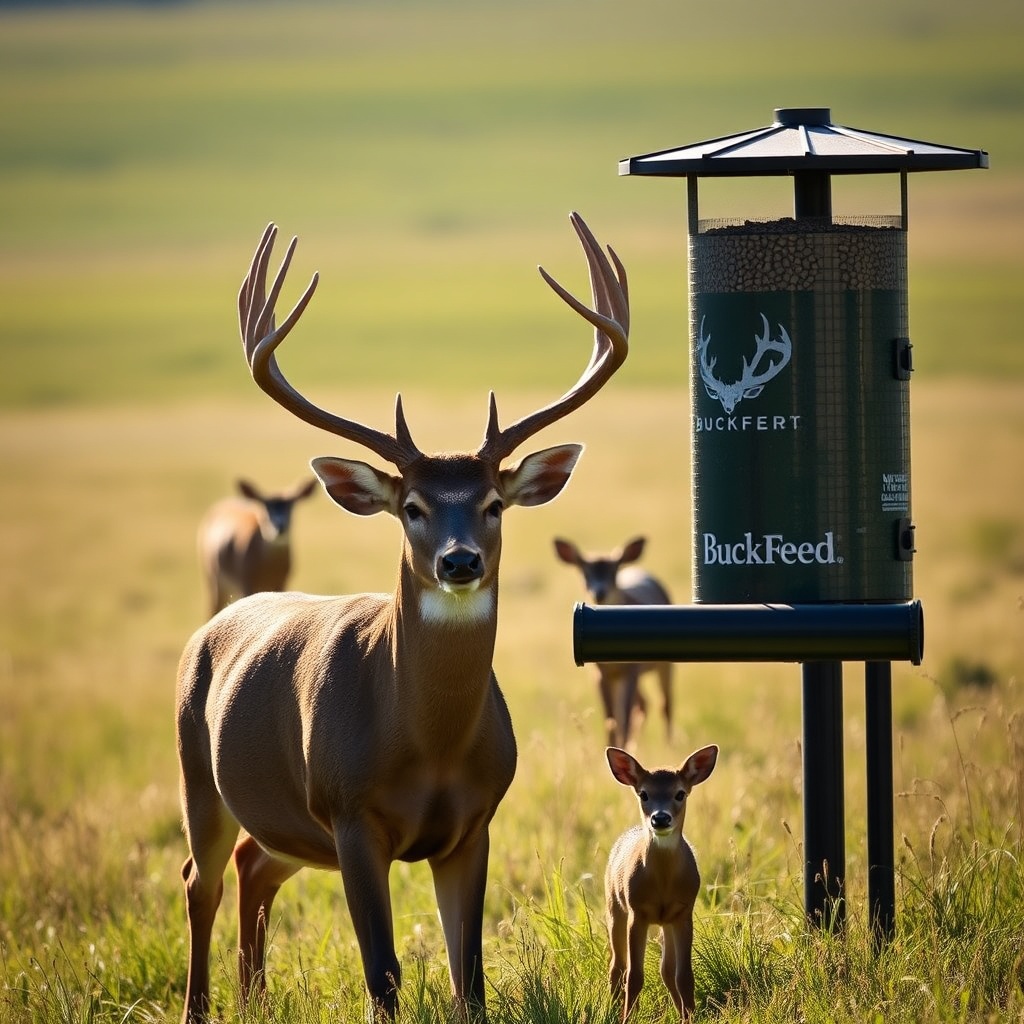
Winter is a critical period for deer survival. BuckFeed’s Winter Survival Pellet addresses the need for high-energy, digestible feed that minimizes digestive stress. Deer undergo a natural drop in metabolism and gut function during winter; introducing high-protein feeds can cause acidosis or other issues. BuckFeed’s pellet formulation uses a blend of corn, oats, and molasses that ferments slowly, reducing the risk of bloat.
Additionally, the added fat from vegetable oil helps deer maintain body reserves when natural browse is scarce. For a detailed strategy on winter supplementation, read our article on BuckFeed Deer Feed: Winter Nutrition Strategies for Survival and Antler Health.
What Do Owners Say About BuckFeed Deer Feed?
Users of BuckFeed Deer Feed generally report high levels of satisfaction, particularly regarding palatability and visible improvements in herd condition. Here are common themes from feedback:
- High acceptance rates: Many owners note that deer begin feeding on BuckFeed within 1-3 days of introduction, even when natural forage is available.
- Improved antler quality: Several users in areas with poor soil quality reported noticeable antler size increases after one season of consistent feeding.
- Minimal waste: The pellet hardness and molasses coating reduce crumbling and spoilage compared to some competitors.
- Cost-effectiveness: While slightly more expensive than generic blends, users appreciated the value given the ingredient quality and animal response.
Some negative feedback includes occasional inconsistency in bag weight (some reports of 48 lb instead of 50 lb) and higher shipping costs for bulk orders. Overall, the consensus is that BuckFeed delivers on its promises when combined with proper feeding practices.
Frequently Asked Questions About BuckFeed Deer Feed
Q1: Is BuckFeed Deer Feed suitable for all deer species?
BuckFeed is primarily formulated for white-tailed deer and mule deer. It is not recommended for elk or moose without veterinary advice due to different nutritional requirements. For smaller species like fallow deer, reduce portion size accordingly.
Q2: How should I store BuckFeed to maintain freshness?
Store bags in a cool, dry area away from direct sunlight and moisture. Use a sealed metal or plastic container to deter rodents and insects. Opened bags should be consumed within 4-6 weeks to maintain nutritional quality.
Q3: Can I mix BuckFeed with other feed brands?
Yes, but it is not necessary. BuckFeed already provides a complete nutritional profile. If mixing, avoid diluting the protein percentage below 16% for optimal benefits. Always monitor consumption to ensure deer are eating the blend.
Q4: How much does BuckFeed cost per month for a typical property?
For a small property (20-50 acres) with 10-15 deer, expect to use 2-3 bags per month depending on season and feeder type. At average prices, monthly cost ranges from $50 to $85 USD. Larger properties may require bulk purchasing to reduce per-pound cost.
Q5: Does BuckFeed help with attracting deer to trail cameras?
Yes, the molasses and corn base make it highly attractive. Many hunters use BuckFeed in feeders near trail cameras to monitor buck activity and health. However, avoid over-reliance as deer may become shy if feeders are not maintained.
Q6: What should I do if deer stop eating BuckFeed suddenly?
Check for spoilage, mold, or contamination. Ensure the feeder is functioning and not empty. If deer have abundant natural food like acorns or crops, they may reduce feed consumption temporarily. For persistent issues, refer to our troubleshooting article mentioned earlier.