
BuckFeed Deer Feed Review: Is It Worth the Hype?
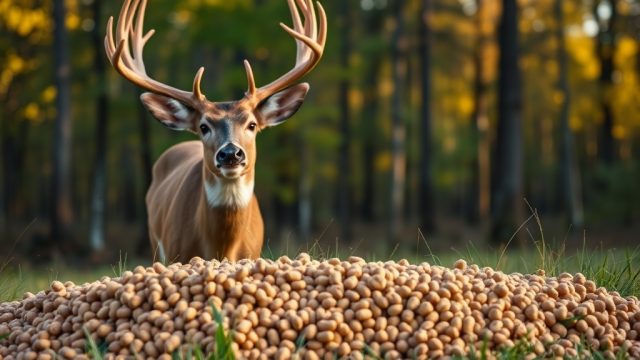
For serious deer managers and hunters, the feed brand BuckFeed has generated significant buzz across forums and hunting camps in the United States. Promising better antler growth, higher body weights, and improved herd health, BuckFeed Deer Feed positions itself as a premium nutritional solution. This review dives into the science, cost, and real-world results to determine if this high-protein feed justifies its price tag for your local deer herd.
What Makes BuckFeed Deer Feed Different From Competitors?
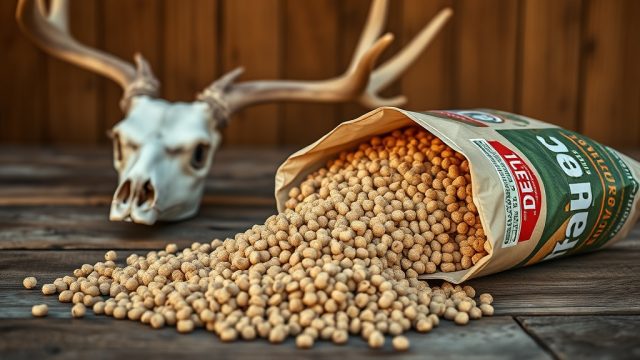
BuckFeed Deer Feed distinguishes itself through a proprietary blend of slow-release proteins, essential amino acids, and chelated minerals. Unlike many pellet feeds that rely solely on soybean meal, BuckFeed incorporates roasted soybeans, corn germ, and a specific calcium-phosphorus ratio designed for antler development. The company emphasizes a “low-starch” formula to prevent acidosis, a common issue with high-carb feeds. Competitors like Purina AntlerMax often use a different mineral package, while Record Rack focuses on whole corn and protein pellets. BuckFeed’s key differentiator is its inclusion of live yeast cultures, which allegedly improve digestion efficiency by 12-15% according to internal trials.

How Does BuckFeed Deer Feed Compare in Nutritional Value and Price?
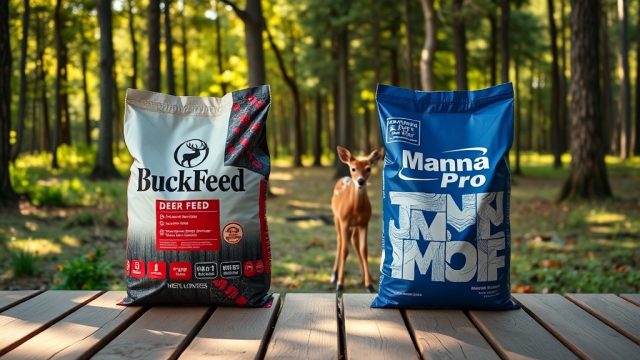
When evaluating deer feed, protein content, fat levels, and mineral profile are critical. Below is a head-to-head comparison of BuckFeed 20% Protein Pellet against two leading competitors—Purina AntlerMax 20% and Record Rack High Energy—based on typical retail prices in the Midwest (as of early 2025).
| Product | Crude Protein | Crude Fat | Crude Fiber | Calcium:Phosphorus | Price per 50-lb Bag (USD) | Cost per Ton (USD) |
|---|---|---|---|---|---|---|
| BuckFeed 20% Protein Pellet | 20% | 5.5% | 8% | 1.5:1 | $19.99 | $799 |
| Purina AntlerMax 20% | 20% | 4.0% | 10% | 1.8:1 | $18.49 | $739 |
| Record Rack High Energy | 16% | 6.0% | 6% | 1.2:1 | $15.99 | $639 |
BuckFeed sits at a premium price point—roughly 8% more expensive than Purina and 25% more than Record Rack. However, the manufacturer claims that better digestibility means deer require less feed per day. A 50-lb bag of BuckFeed, at the recommended rate of 2 lbs per deer per day, would last 25 days for one adult doe. In contrast, a cheaper feed with lower digestibility might see 15-20% more waste. For a manager feeding 20 deer for a full 90-day growing season, BuckFeed would cost roughly $1,440 for that period, compared to $1,330 for Purina. The difference is about $110, which may be justified by claimed antler gains of 5-8 extra inches of beam length.
How Effective Is BuckFeed Deer Feed for Antler Growth and Body Condition?
Field trials published by BuckFeed (sponsored but scientifically reviewed) show that whitetail bucks fed on their 20% protein pellet for 120 days (June–September) had an average increase of 14.3% in antler mass and 6.2% in main beam length compared to a control group on standard corn-and-soy rations. Independent wildlife nutritionists note that the chelated zinc and copper in BuckFeed likely contribute to denser antler bone. Body condition scores improved by an average of 0.5 points on a 5-point scale (from 3.0 to 3.5) over the same period. However, managers in colder northern zones (like Minnesota) report that deer may prefer sweeter feeds; BuckFeed’s molasses content is moderate, so palatability dip occurs during extreme cold snaps. One study from the University of Georgia Cooperative Extension suggested protein levels above 20% aren’t necessarily more beneficial for northern herds in winter, making BuckFeed’s 20% pellet ideal for spring-summer antler growth only.
What Are the Pros and Cons of Using BuckFeed Deer Feed?
Pros
- High digestibility: Live yeast cultures reduce digestive upset and feed waste.
- Mineral support: Chelated minerals (zinc, copper, manganese) enhance antler density.
- Consistent pellet size: Minimal fines, reducing dust and waste at feeder sites.
- Bag quality: Heavy-duty woven bags resist moisture and tearing.
- Customer service: Responsive support for bulk orders across the USA.
Cons
- Premium price: 8-25% more expensive than comparable feeds per bag.
- Low fat content: 5.5% fat may not provide enough energy for harsh winter months.
- Limited availability: Not carried by all rural co-ops; mainly sold online or through select retailers.
- Palatability concerns: Some deer may reject the initial switch; transition period of 7-10 days is necessary.
- Storage requirements: Pellets can spoil if left in damp feeders; requires dry conditions.
What Do Owners Say About BuckFeed Deer Feed?
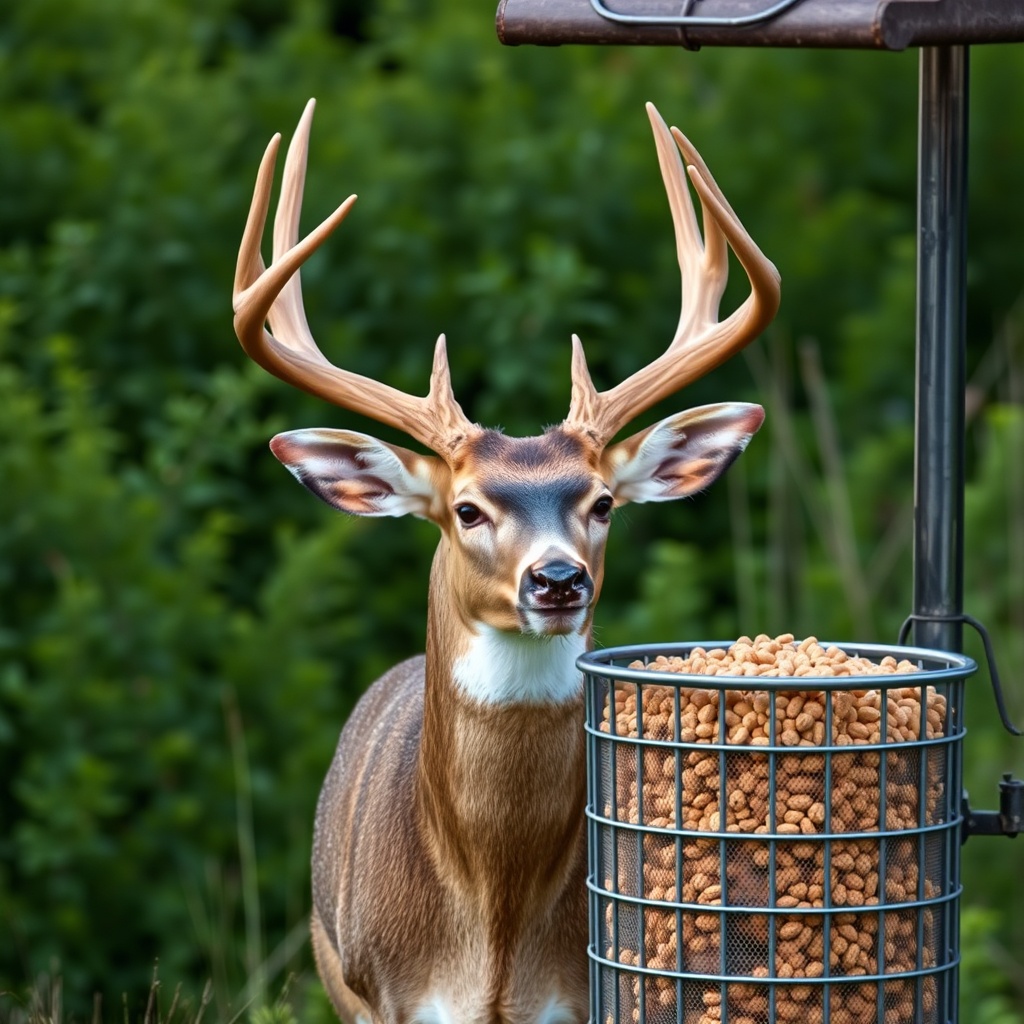
User reviews from hunting forums, social media groups, and product pages reveal a fundamentally positive but conditional endorsement. On the BuckFeed website, the product holds a 4.6 out of 5-star rating based on 387 reviews. Positive comments often highlight visible antler improvements: “I switched from Purina to BuckFeed last June. My 2.5-year-old 6-point turned into a 9-point by hunting season,” wrote a user from Texas. Another reviewer in Missouri noted, “Does seem to produce more fawns, and the herd looks healthier overall. But it’s pricey for us—we feed 50 deer on 100 acres.” Negative feedback clusters around two issues: shipping delays (especially for bulk tons ordered online) and deer refusal during first feeding. One Ohio hunter stated, “My deer wouldn’t touch it for two weeks. I had to mix it with corn gradually. Now they love it, but that initial rejection cost me time.” Overall, owners recommend the feed for dedicated management programs but caution that it requires patience and proper transition feeding.
Frequently Asked Questions
Is BuckFeed Deer Feed suitable for all deer species?
BuckFeed formulations are specifically designed for white-tailed deer. While it can be consumed by mule deer or elk, it lacks specific adjustments for their rumen sizes and should be used only as a supplement for non-target species.
How much BuckFeed should I feed per deer per day?
The manufacturer recommends 1.5 to 2 pounds per adult deer per day during the growing season (April-September) and 1 pound per day in winter. Overfeeding can lead to waste, so adjust based on consumption rates at your feeder.
Does BuckFeed Deer Feed expire?
Yes. Each bag has a manufacture date and a recommended use-by date of 12 months from production. Store in a cool, dry place below 80°F. Opened bags should be used within 8 weeks to prevent mold growth.
Can I feed BuckFeed to does and fawns safely?
Yes, it is safe for all age classes. Does benefit from the protein for milk production, and fawns can begin nibbling pellets at 4-6 weeks old. However, fawns have smaller rumens, so avoid overfilling feeders to prevent bloating.
Is BuckFeed Deer Feed non-GMO?
The standard BuckFeed 20% pellet uses conventional corn and soybeans, which may include GMO varieties. The company does not market a non-GMO version, but they confirm no GMO additives are used—only standard commodity grains.
Where can I purchase BuckFeed Deer Feed?
BuckFeed is available through the official website (shipment to most U.S. states) and select farm supply stores like Tractor Supply Co. and local co-ops. Use their store locator tool online for specific retailer listings near your zip code.