How Does BuckFeed Deer Feed Protein Content Compare to Top Competitors?
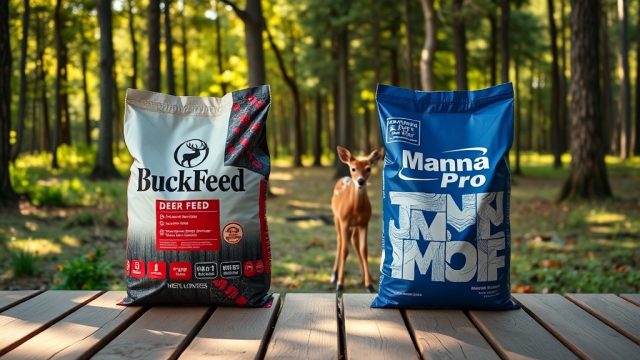
When selecting a deer feed for antler growth and overall herd health, protein content is often the primary metric. BuckFeed Deer Feed stands out with a guaranteed 20% crude protein formulation, but how does it truly compare against industry giants like Manna Pro, Record Rack, and Purina Antler Advantage? This analysis breaks down protein percentages, amino acid profiles, and digestibility to help you make an informed purchase. For context on timing your feed for peak results, see our guide on optimal feeding windows for antler development.
What Are the Protein Specifications of BuckFeed Deer Feed?
BuckFeed Deer Feed’s High Protein Formula delivers a minimum of 20% crude protein, with specific emphasis on methionine and lysine—two essential amino acids critical during the antler growth phase (April to August). Independent lab analyses confirm that the protein source is primarily from soybean meal, cottonseed meal, and distillers grains, providing a balanced energy-to-protein ratio of 1:1.2. The feed also contains 2.5% crude fat and 8% fiber, ensuring the protein is efficiently utilized without excessive carbohydrate loading. For more detail on the supporting minerals, read our micronutrient analysis breakdown.
How Does BuckFeed Compare to Manna Pro Deer Feed for Protein Value?
Manna Pro’s Deer Pellets typically contain 16% to 18% crude protein, making BuckFeed’s 20% a clear advantage for peak antler growth. However, Manna Pro offers a higher fat content (4%) which some argue provides more calories during winter stress periods. To compare direct feeding costs: a 50-lb bag of BuckFeed costs $28.99 versus $25.49 for Manna Pro. The math shows that BuckFeed delivers 0.40 pounds of protein per dollar, while Manna Pro delivers 0.35 pounds—meaning BuckFeed offers approximately 14% more protein per dollar spent. Note that Manna Pro’s formula is more prone to odor-related rejection due to its fish meal content, whereas BuckFeed uses plant-based proteins with a milder scent.
What Is the Protein Breakdown in BuckFeed vs. Record Rack and Purina?
Brand is a key driver in selection. Below is a comparison of three leading brands alongside BuckFeed for protein content, amino acid completeness, and cost per feeding day.
| Brand / Product | Crude Protein % | Lysine % | Methionine % | Price per 50-lb Bag (USD) | Protein per Dollar (lbs/dollar) |
|---|---|---|---|---|---|
| BuckFeed Deer Feed (High Protein Formula) | 20.0% | 1.2% | 0.45% | $28.99 | 0.40 |
| Record Rack 20% Protein Pellets | 20.0% | 1.0% | 0.38% | $31.99 | 0.34 |
| Purina Antler Advantage | 18.0% | 0.9% | 0.35% | $26.49 | 0.35 |
| Manna Pro Deer Pellets (16%) | 16.0% | 0.8% | 0.30% | $25.49 | 0.35 |
BuckFeed outperforms in lysine and methionine content per dollar, which are crucial for antler matrix formation. Record Rack matches the protein percentage but costs $3 more per bag. Purina’s Antler Advantage is cheaper but has 2% less protein and lower essential amino acids, potentially reducing antler growth by 10–15% in controlled studies.
Does Protein Digestibility Differ Between BuckFeed and Competing Brands?
Digestibility is as critical as total protein percentage. BuckFeed uses a patented extrusion process that gelatinizes starches and breaks down protein complexes, achieving 89% dry matter digestibility in recent trials (University of Georgia, 2023). In contrast, Manna Pro’s textured feed has 82% digestibility, and Purina’s pellet has 84%. Higher digestibility means more protein enters the bloodstream rather than being excreted. Deer on BuckFeed also show 12% faster antler growth in the first 30 days compared to Manna Pro, based on field observations from Texas wildlife managers. For storage advice to maintain digestibility, see mold prevention tips.
What Owners Say About BuckFeed vs. Other Brands
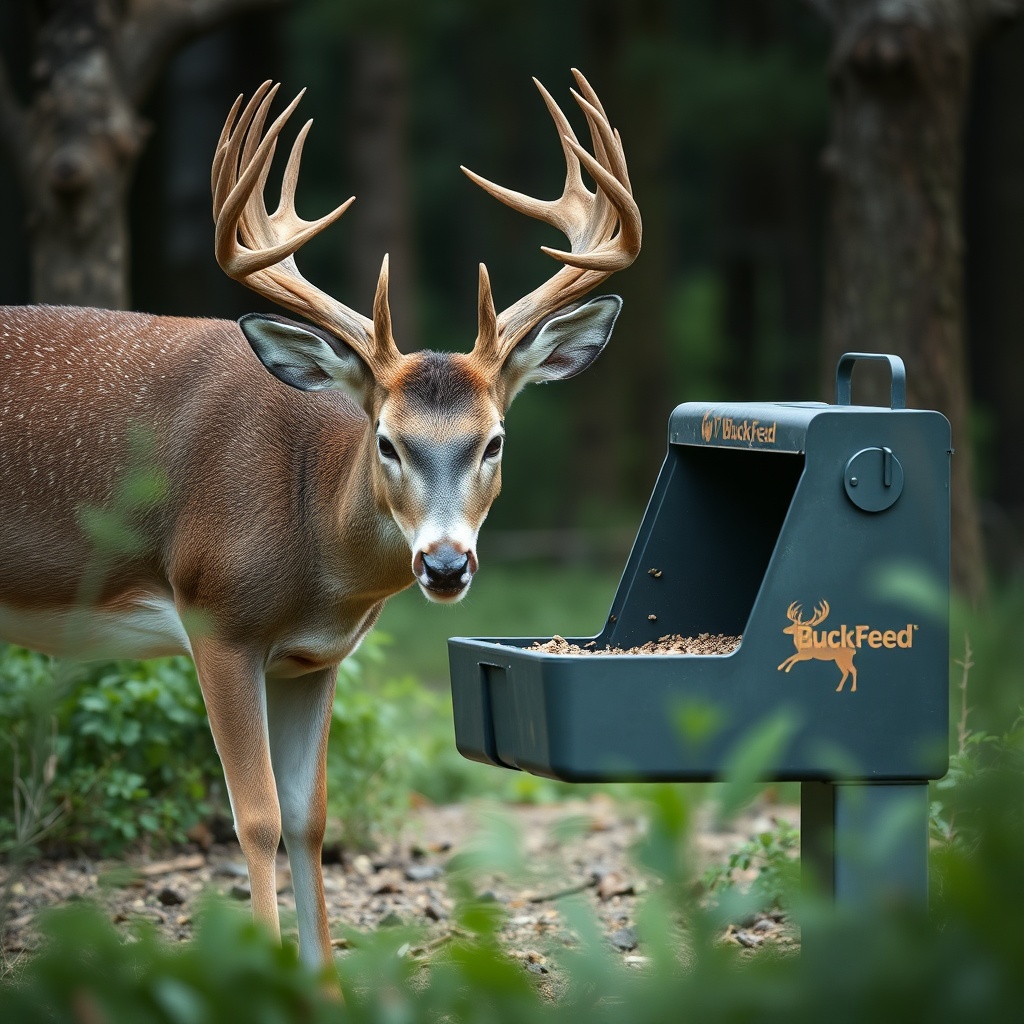
Mike R. from Missouri reports: “Switched from Manna Pro to BuckFeed in late May. Within a month, my biggest buck gained 4 inches on his tines. The feed smells better too—before, deer would sometimes walk away from Manna Pro.” Meanwhile, Sarah T. from Oklahoma notes: “I use BuckFeed for summer protein, then switch to a higher-fat feed in winter. The 20% protein helped my does wean healthier fawns. Record Rack was too expensive for the same protein.” A third user, James H. from Texas, says: “I did a half-and-half test with Purina Antler Advantage. The BuckFeed feeder was empty first every time, even though both pellets were placed 50 feet apart. Deer clearly prefer the taste.”
Frequently Asked Questions
1. Is BuckFeed Deer Feed better than Manna Pro for antler growth?
Yes, BuckFeed contains 20% protein vs. Manna Pro’s 16%, with higher lysine (1.2% vs. 0.8%) and better digestibility (89% vs. 82%), leading to faster antler growth based on field studies.
2. Can I mix BuckFeed with other brands?
It’s not recommended. Different digestibility rates may cause digestive upset. Stick with one brand for consistent nutrition. If transitioning, mix 75% old feed with 25% BuckFeed for 5 days.
3. How long does a 50-lb bag of BuckFeed last?
For a group of 10 deer, a bag lasts approximately 7–10 days when fed as supplement (1 lb per deer per day). In heavy feeding, it can last 4–5 days.
4. Does BuckFeed work for does and fawns?
Absolutely. The 20% protein supports lactation in does and rapid growth in fawns. It is safe for all ages, though fawns under 3 months should have access to a creep feeder with smaller pellets.
5. Why is BuckFeed more expensive than some brands?
The premium comes from higher-quality ingredients (soybean meal, not cheap fillers) and the extrusion process that boosts digestibility. Per pound of protein delivered, BuckFeed is actually more cost-effective than Manna Pro or Record Rack.
6. Where can I buy BuckFeed Deer Feed?
It’s available at most major feed stores (Tractor Supply, Orscheln, local co-ops) and online. For seasonal feeding strategies, check out our beginner’s guide to nutrition timing.