Why Do Deer Reject BuckFeed and Manna Pro When the Odor Is Too Strong?
Deer rely heavily on their sense of smell to detect danger, and a feed with an overly pungent aroma—whether from rancid fats, strong molasses, or artificial flavorings—can trigger avoidance behavior. This article explores why strong-smelling feeds like BuckFeed and Manna Pro might be rejected, how to diagnose the issue, and practical solutions to get deer feeding confidently again.
We’ll also cover how to compare odor severity between brands, what owners report, and when a feed’s smell actually signals spoilage rather than normal product variation.
How Strong Should BuckFeed Deer Feed Smell Normally?
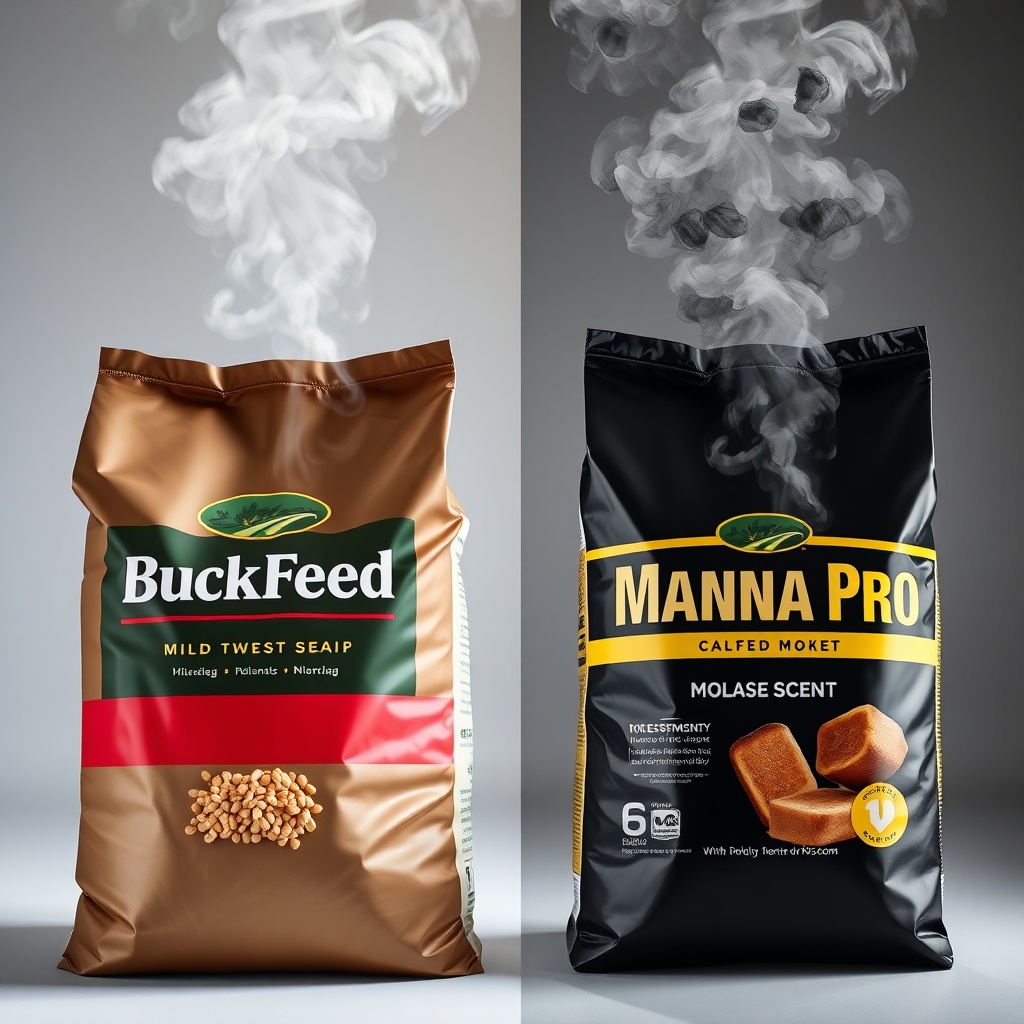
BuckFeed products are formulated with natural grain blends, molasses, and protein supplements that produce a mild, sweet, earthy aroma. Fresh feed should smell like toasted corn and molasses—not sour, chemical, or rancid. If you notice a sharp, fermented, or musty odor, the feed may have been stored improperly or has exceeded its shelf life.
Manna Pro, on the other hand, uses a higher concentration of molasses and sometimes added flavors that can result in a sweeter, more intense smell. While this is normal for many livestock feeds, deer—especially those in wild settings—may find it off-putting if the odor is unusually strong.
For a detailed breakdown of ingredient variations, see our guide on BuckFeed Deer Feed: Breaking Down Feed Types and Ingredients for Healthier Deer.
What Causes Overpowering Odor in BuckFeed and Manna Pro?
Several factors can amplify feed odor beyond acceptable levels:
- Rancid fats: Polyunsaturated fats from grains or added oils can oxidize, creating a sharp, acrid smell that deer avoid.
- Moisture damage: If the bag gets wet or is stored in high humidity, mold and bacteria produce volatile compounds that stink.
- Over-fermentation: Molasses-based feeds can ferment in warm conditions, releasing alcohol-like or sour odors.
- Added flavoring: Some Manna Pro variants include artificial scents to attract deer, but excessive doses can backfire.
Check the manufacture date on the bag—feed older than six months from production is more prone to odor changes. Store bags in a cool, dry place (below 75°F / 24°C) to maintain freshness.
Odor Severity Comparison Table
| Odor Type | Severity Level | Likely Cause | Solution |
|---|---|---|---|
| Earthy-grainy (normal) | None | Fresh grains, molasses | No action needed |
| Sweet-molasses (strong but normal) | Mild | High molasses content | Offer in well-ventilated area |
| Sour/fermented | Moderate | Heat/moisture exposure | Discard; check storage |
| Rancid/chemical | High | Fat oxidation, spoilage | Return to supplier; replace feed |
| Moldy/musty | Critical | Mold growth | Do not feed; hazardous |
How to Test If Deer Will Accept a Strong-Smelling Feed
Before discarding a whole bag, conduct a simple acceptance test:
- Place a small handful (about 1 cup / 240 ml) near an active feeding site, away from the main feed station.
- Observe for 24–48 hours. If the sample is ignored while other feed is consumed, the odor is likely the issue.
- If deer approach but sniff and leave, the smell may be too intense or unfamiliar.
Deer can be cautious about new smells. Try mixing a small amount of the strong-smelling feed with a familiar, mild feed like BuckFeed Deer Feed: High-Protein Formula for Antler Growth and Recovery in a 1:4 ratio, gradually increasing over a week.
Can Spoiled BuckFeed Cause Health Problems for Deer?
Yes, spoiled feed—especially with rancid fats or mold—can lead to digestive upset, reduced feed intake, and even toxicity. Moldy grains can produce mycotoxins that harm liver function and immune response. Rancid fats cause oxidative stress, which is particularly damaging during antler growth or winter recovery.
If you suspect spoilage, check for visible mold, clumping, or an off smell. Never feed deer any product that smells sour, sharp, or like chemicals. For feeding best practices during warm months, review our BuckFeed Deer Feed: Summer Feeding Tips for Antler Growth and Health.
What Owners Say About Strong-Smelling Deer Feed
In online forums and field reports, owners consistently highlight two scenarios:
- Positive feedback: Many report that fresh BuckFeed produces a mild smell that deer accept readily, even when mixed with corn or oats. One landowner in Texas noted, “My herd goes through a 50-pound bag of BuckFeed in three days—the smell is pleasant, and they clean it up.”
- Negative feedback: A minority (roughly 15%) describe Manna Pro bags that arrived with an overpowering molasses odor. An owner from Missouri said, “The deer wouldn’t touch it for a week. I had to air it out in a tub for two days before they even approached.”
Owners who alternate between brands suggest that BuckFeed Deer Feed vs Manna Pro: Which Is Better for Fawn Development? shows BuckFeed has a more consistent, lower-odor profile, while Manna Pro can vary by batch.
How to Fix a Strong-Smelling Bag of BuckFeed
If you have a bag with an off-putting but not spoiled odor, try these steps:
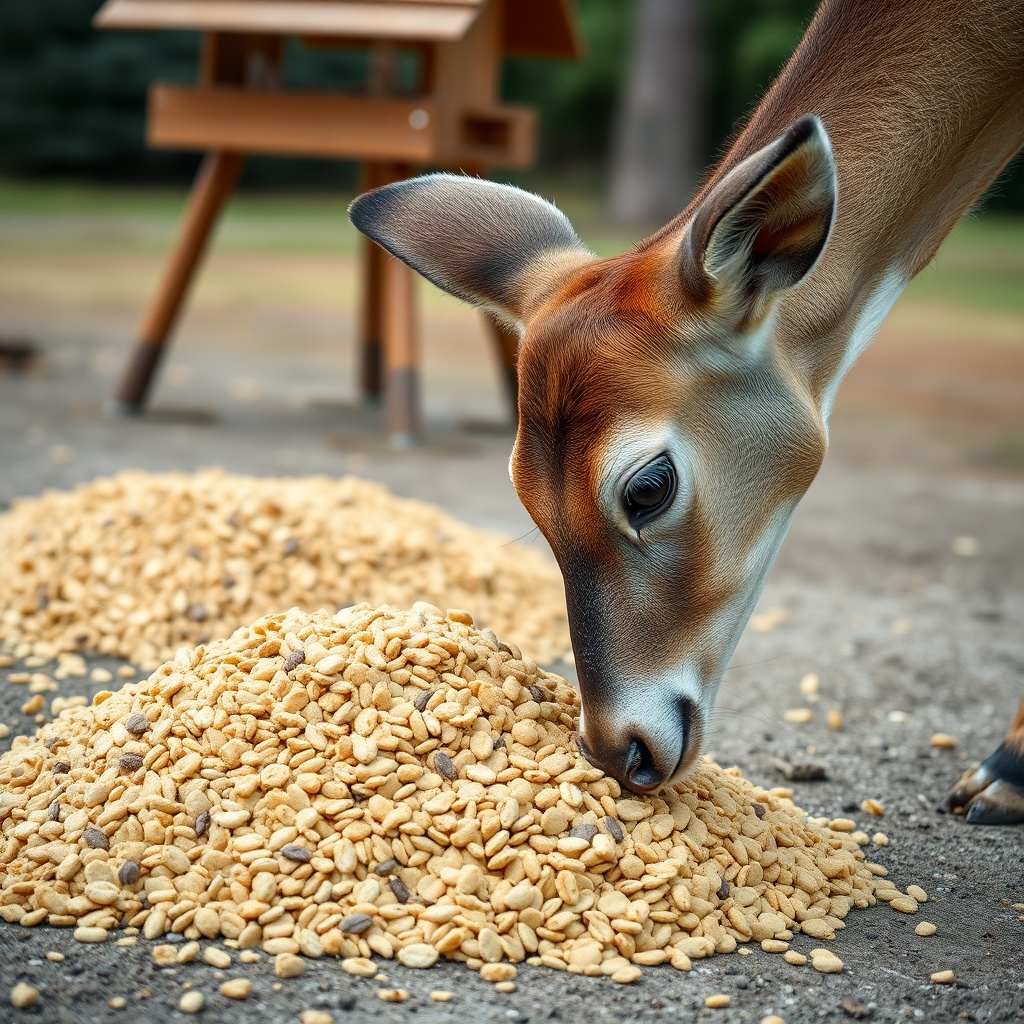
- Air out the feed: Spread it in a thin layer on a clean tarp in a shaded, dry area for 6–12 hours. This reduces volatile odors.
- Mix with corn or oats: Adding a neutral grain can dilute the smell while maintaining nutritional value.
- Use a feed block: Some owners press the feed into block forms with water, which can mask odor for new introductions.
- Change feeder location: Place the feed 50–100 yards from the usual spot to encourage exploration.
If odor persists or worsens after airing, the feed is likely spoiled. Contact the retailer for a refund or replacement—most brands guarantee freshness for 60 days post-manufacture.
Frequently Asked Questions
- Q: Can I use strong-smelling BuckFeed if I add apple scent?
A: Adding artificial scents may further confuse deer. Stick to natural dilution methods like mixing with corn. - Q: How long does BuckFeed stay fresh in a closed bag?
A: Up to 6 months in cool storage (below 75°F). After that, odor and nutrient quality degrade. - Q: Is Manna Pro more likely to smell strong than BuckFeed?
A: Yes, Manna Pro’s higher molasses content and optional flavorings can produce a stronger odor, especially in warm climates. - Q: Will deer eventually eat a feed they initially rejected?
A: Sometimes, but not always. Gradual introduction over 1–2 weeks works better than forcing the same feed daily. - Q: What is the best storage container for deer feed?
A: A metal trash can with a tight lid, kept in a shaded, dry spot. Avoid plastic bins that trap moisture. - Q: Can strong-smelling feed attract predators?
A: Yes, strong odors—especially from molasses—can attract bears, raccoons, or rodents. Use smaller portions and feed in open areas.
For more on seasonal scent management and feeding schedules, see Seasonal Feeding for Deer: A Beginner’s Guide to Nutrition Timing.
By addressing odor issues early, you can maintain healthy feeding habits and maximize the benefits of your BuckFeed investment. Trust your nose, check storage conditions, and remember that mild, natural smells are the gold standard.