Why Is Summer Nutrition Critical for Deer?
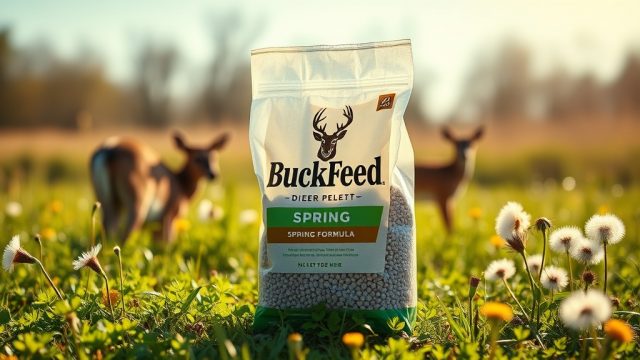
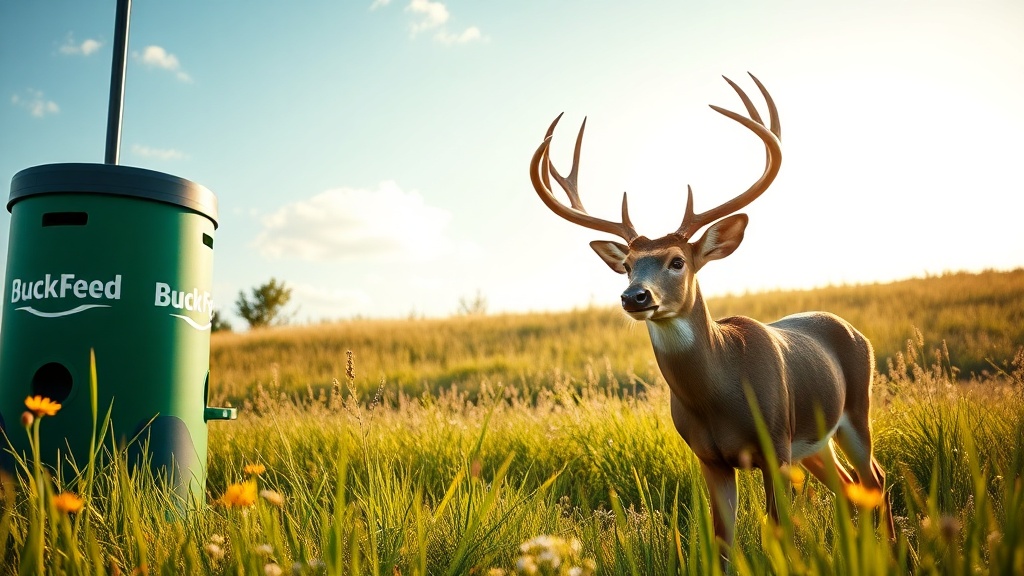
Summer is the season of rapid growth for whitetail deer. Bucks are growing antlers at an astonishing rate—up to an inch per week—while does are either lactating or preparing for the next breeding cycle. Without the right combination of protein, minerals, and energy, antler development can stall, and overall herd health suffers. BuckFeed Deer Feed is formulated specifically to address these summer demands, providing a balanced ration that supports both antler growth and body condition during the hottest months.
Many hunters and land managers notice a dramatic improvement in antler scores and fawn survival rates when they switch to a high-quality summer feed like BuckFeed. This article will break down the key strategies for feeding deer in summer, from protein requirements to proper feeder placement, so you can maximize the benefits of BuckFeed Deer Feed.
How Much Protein Does BuckFeed Deer Feed Provide for Antler Growth?
Protein is the single most important nutrient for antler development. A buck’s body prioritizes protein for antler growth, and if supplies are insufficient, antlers will be smaller and have fewer points. BuckFeed Deer Feed typically contains **18 to 22% crude protein** in its summer formulas, depending on the specific blend you choose. For comparison, most native summer forages only offer 8 to 12% protein, making BuckFeed a significant boost.
To maximize antler growth, aim to provide a consistent daily intake of at least 1.5 to 2 pounds of BuckFeed per adult buck during the peak growing months (June through August). Does also benefit from the extra protein during lactation, which supports healthier fawns. The slow-release carbohydrates in BuckFeed ensure deer get a steady stream of energy without the risk of digestive upset often associated with lower-quality cereals.
For a detailed breakdown of the ingredients in BuckFeed, check our analysis of feed types and ingredients.
What’s the Ideal Feeding Schedule for Summer Heat?
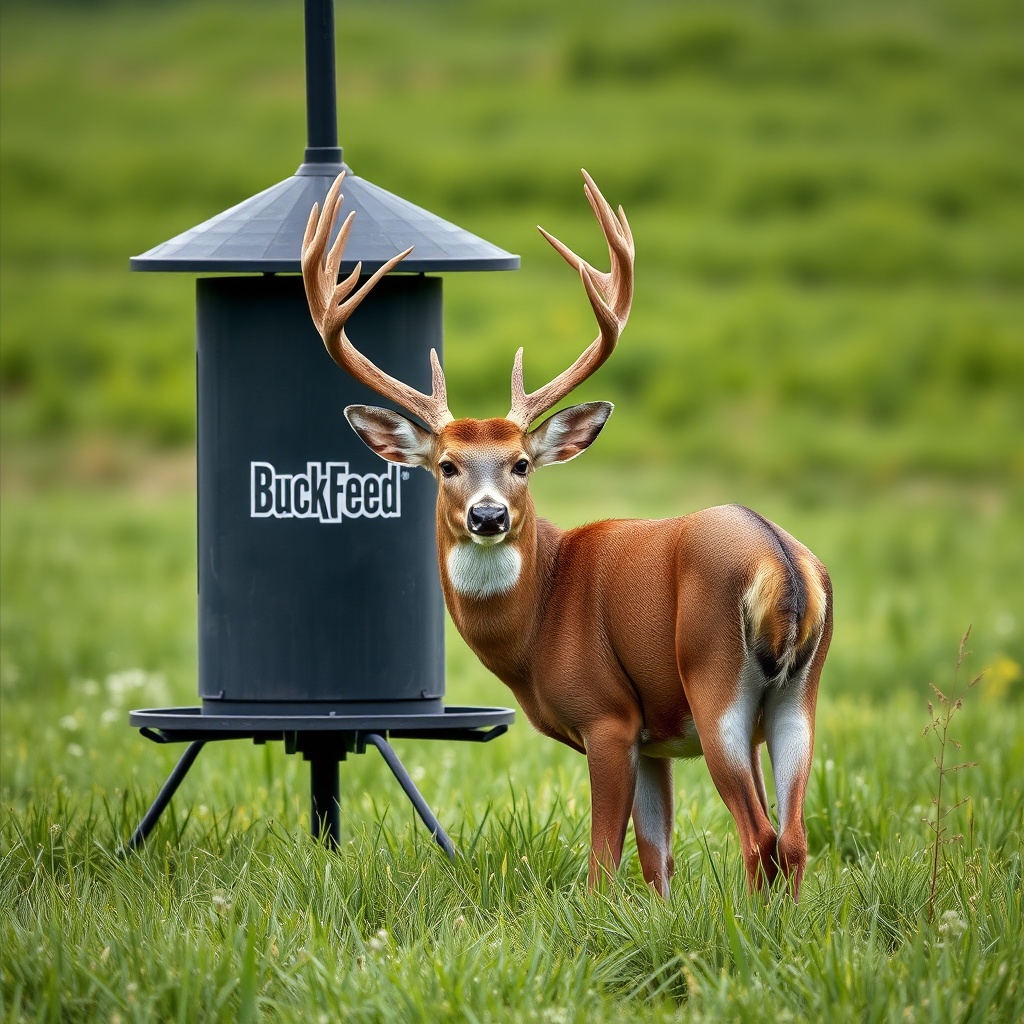
Deer are creatures of habit, but summer heat can alter their natural feeding patterns. In hot weather, deer tend to feed more during the cooler periods—dawn and dusk—and rest during the heat of midday. Your feeding schedule should align with these natural rhythms to ensure the feed is fresh and available when deer are most active.
Here are key tips for scheduling summer feedings with BuckFeed:
- Fill feeders in the late afternoon or early morning. This keeps the feed cool and reduces moisture accumulation.
- Use a timer for automatic feeders. Set them to dispense BuckFeed at 5:30 AM and 7:30 PM local time.
- Avoid midday fillings. Heat can cause feed to spoil faster; BuckFeed’s preservative system helps, but extreme heat still degrades fat content.
- Check feed levels every 3-4 days. Deer consumption can spike during early summer as antler growth peaks.
Consistency is key. Once deer become accustomed to BuckFeed at specific times, they will adjust their movement patterns, making your property a reliable food source even during the summer slump.
Which Minerals in BuckFeed Support Antler Development?
While protein gets the headlines, a suite of minerals is essential for strong, dense antlers. BuckFeed Deer Feed is fortified with chelated minerals for better absorption. The most critical for summer antler growth include:
| Mineral | Role in Antler Growth | Typical Level in BuckFeed |
|---|---|---|
| Calcium | Builds antler density and hardness | 1.5% – 2.0% |
| Phosphorus | Works with calcium for mineral deposition | 0.8% – 1.2% |
| Magnesium | Supports enzyme function in bone formation | 0.3% – 0.5% |
| Zinc | Essential for protein synthesis and antler growth rate | 120 – 150 ppm |
| Copper | Supports collagen formation and antler flexibility | 15 – 25 ppm |
| Manganese | Helps with bone structural integrity | 80 – 100 ppm |
These levels are optimized for summer antler growth. Many hunters report seeing thicker, heavier antlers after just one summer of using BuckFeed consistently. For even better results, consider pairing BuckFeed with a free-choice mineral supplement. However, the feed itself provides a solid foundation.
Should You Use a Trough or Automatic Feeder for BuckFeed in Summer?
Summer brings its own set of challenges for feeding equipment. High humidity, rain, and insects can spoil uncovered feed quickly. Choosing the right delivery method for BuckFeed Deer Feed is essential to maintain freshness and reduce waste.
Here’s a comparison of the two most common feeding methods for summer:
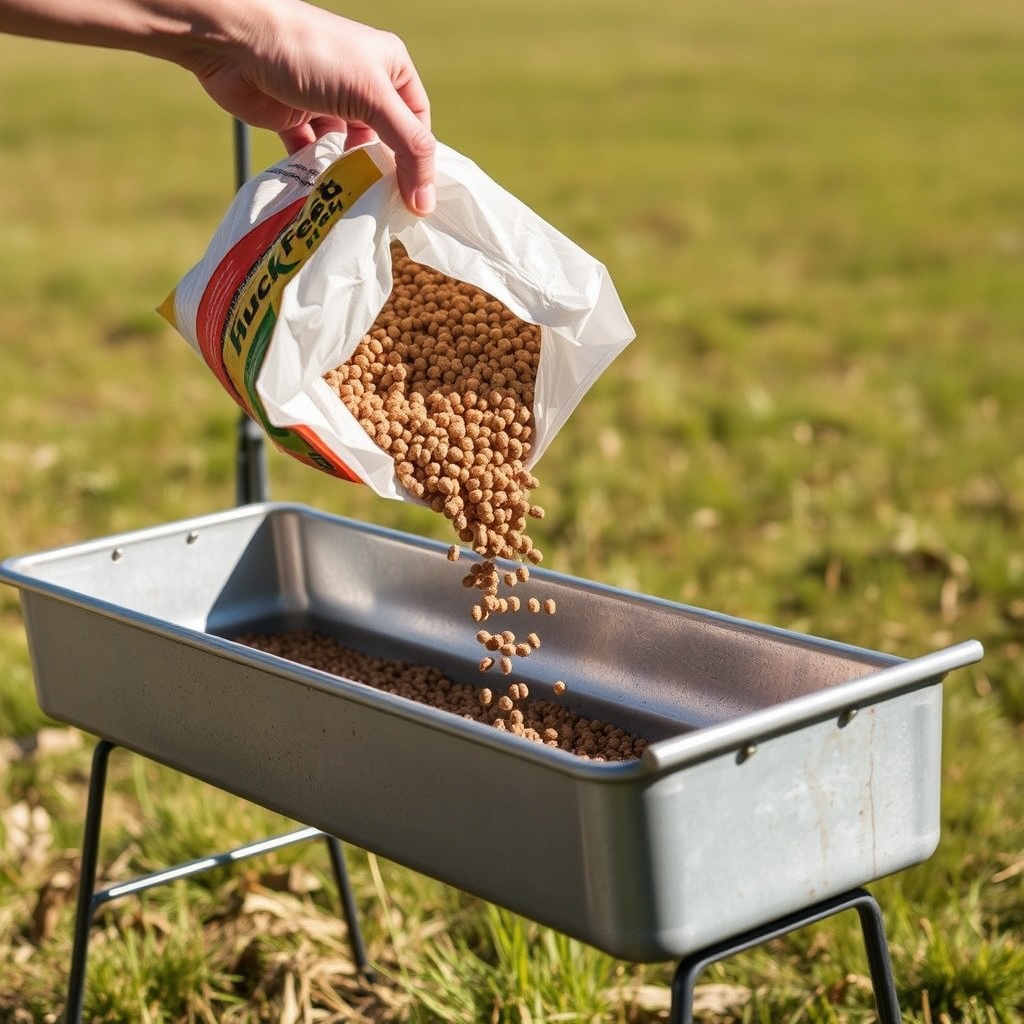
- Trough feeders: Good for low-traffic areas but require frequent cleaning in summer. Moisture can cause grain to mold within 48 hours if not protected. Use a rain hood or cover.
- Automatic gravity or timed feeders: Ideal for summer because they dispense small amounts of BuckFeed at regular intervals, keeping the bulk of the feed cool and dry in the hopper.
For a comprehensive guide to setting up feeders and avoiding common pitfalls, read our article on best feeding methods and equipment.
If you notice deer are hesitant to approach the feeder, check our troubleshooting guide on why deer won’t touch BuckFeed for practical solutions.
What Is the Cost of BuckFeed Deer Feed for Summer?
BuckFeed Deer Feed is priced competitively given its high-quality ingredients. A 50-pound bag of the summer formula typically costs between **$18 and $22** in most retail outlets, depending on your region and volume discounts. Buying in bulk (pallets of 40+ bags) can lower the per-bag cost to around **$15 to $17** each.
For a small feeding operation (2-3 feeders, 10-15 deer), expect to spend around **$200 to $300 per month** during peak summer months. This includes filling feeders twice weekly. While this is a significant investment, the return in terms of antler size and herd health is substantial. Many hunters report spending the equivalent of a few hunts on feed to see trophy-quality results.
To compare BuckFeed with other options and see if it’s right for your budget, check our full review of value and performance.
What Owners Say About BuckFeed Summer Feeding
Hunters and land managers across the country have shared their experiences using BuckFeed during the summer. The overwhelming theme is one of improved antler growth and deer body condition. Mike, a property manager in Iowa, says, “After three years of using BuckFeed from June through August, my buck scores are up an average of 15 inches. The deer are healthier, with better coats and more energy.” Another user, Sarah from Kentucky, notes that her fawn survival rate improved dramatically because does were getting the protein they needed while lactating.
Some owners mention that deer took a few days to fully accept BuckFeed, especially if they were used to different feeds. However, once they started, the feeding patterns became very regular. A common piece of advice from owners is to start feeding in late May to give deer time to adjust before the summer heat peaks. “I set out a small pile near an existing food source for a week, then filled the feeder,” says Mark from Wisconsin. “Now they come like clockwork.”
For those transitioning from other feeds, our winter nutrition guide also offers tips for seasonal transitions that apply to summer as well.