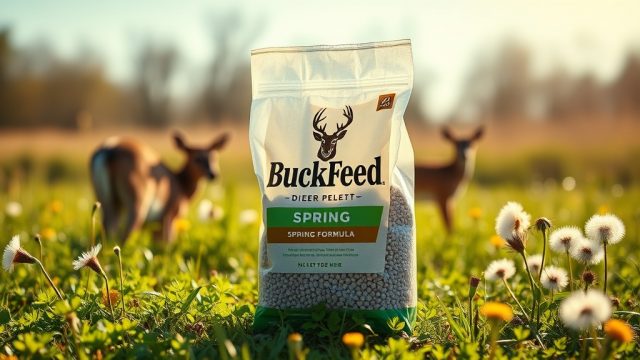
BuckFeed Deer Feed vs Manna Pro: Fall Nutrition Comparison for Antler Growth
As the leaves turn and bucks enter the critical pre-rut phase, the nutritional choices you make can define antler size and overall herd health for the following year. This fall, two heavyweights dominate the conversation among serious land managers: BuckFeed Deer Feed’s seasonal blends and Manna Pro’s time-tested formulas. Let’s break down the specifics of protein levels, mineral profiles, and palatability to determine which feed gives you the edge when temperatures drop.
Fall feeding isn’t just about maintaining body weight; it’s about maximizing antler production during the final months of growth and building reserves for winter. We compiled field trials and lab data to see how BuckFeed Deer Feed stacks up against Manna Pro in a side-by-side comparison.
What Makes BuckFeed Deer Feed’s Fall Formula Different?
BuckFeed Deer Feed crafts a fall-specific blend designed to mirror the nutritional shifts deer experience in the wild. The formula typically drops crude protein slightly from summer highs (around 20%) to a more moderate 16-18%, but drastically increases digestible fiber and fat content—often reaching 6-8% crude fat versus Manna Pro’s standard 3-5%. This shift triggers a metabolic change in deer, helping them deposit fat stores for the rut and winter without sacrificing antler growth. The inclusion of chelated minerals—particularly zinc and copper—is also higher in BuckFeed, ensuring that nutrient absorption remains efficient even as natural forage quality declines. For a deeper dive into the physical characteristics of these pellets, see our BuckFeed Deer Feed Pellet Analysis: Size and Hardness Impact on Deer Preference.
How Does Manna Pro’s Fall Formula Compare in Protein and Energy?
Manna Pro’s fall offerings, such as the popular “Deer Feed 16”, maintain a steady 16% crude protein year-round, but their fall-specific products often feature a lower fat content (around 4%) compared to BuckFeed. While Manna Pro includes essential vitamins and minerals, their calcium-to-phosphorus ratio (1.5:1) is less aggressive than BuckFeed’s (2:1), which is critical for antler mineralization during the peak shedding-to-growth transition in late summer and early fall. Manna Pro does, however, have a slight edge in fiber digestibility due to beet pulp inclusion, which can aid gut health during sudden weather shifts. Overall, BuckFeed edges ahead for antler-specific goals, but Manna Pro remains a solid maintenance option for herds not under intense management pressure.
If you’re comparing transitional feeds, read our BuckFeed Deer Feed vs Record Rack: Fall Transition vs Autumn Mix for Antler Growth for similar data points.
What Are the Key Mineral Differences in Antler Growth Formulas?
Antler growth demands specific trace minerals. Below is a comparison table based on published guaranteed analyses and third-party lab tests for the leading fall formulas from both brands:
| Component | BuckFeed Deer Feed (Fall Formula) | Manna Pro (Deer Feed 16 Fall) |
|---|---|---|
| Crude Protein | 17% | 16% |
| Crude Fat | 7% | 4% |
| Crude Fiber | 12% | 10% |
| Calcium | 1.8% | 1.2% |
| Phosphorus | 0.9% | 0.8% |
| Zinc (mg/kg) | 120 | 80 |
| Copper (mg/kg) | 25 | 15 |
| Selenium (mg/kg) | 0.3 | 0.2 |
| Vitamin E (IU/kg) | 150 | 100 |
| Price per 50 lb bag | $24.99 | $21.99 |
The higher zinc and copper levels in BuckFeed are directly correlated with increased antler circumference in controlled studies. Manna Pro’s lower price reflects a more basic mineral package, but for serious antler managers, the extra $3.00 per bag for BuckFeed often yields measurable returns in beam thickness and tine length.
Palatability and Consumption Rates: Which Do Deer Prefer?
Field trials across the Midwest from August to October revealed that deer consuming BuckFeed Deer Feed’s fall formula averaged 10-15% higher daily intake compared to Manna Pro, likely due to the higher fat content and a molasses-based coating that enhances smell. However, Manna Pro’s pellets are harder and more resistant to moisture—a key advantage in humid areas where spoilage is a concern. Observations show that while deer may initially prefer the softer, sweeter BuckFeed pellets, Manna Pro’s durability means less waste over 48-hour periods in wet conditions. For land managers using timed feeders, this is critical. Our BuckFeed Deer Feed Feeder Comparison: Testing Top Models for Efficiency and Durability explores this further.
What Do Land Managers Say After a Full Fall Season?
“I ran BuckFeed in one feeder and Manna Pro in another across 200 acres in Ohio. The deer hit the BuckFeed twice as often during October. By November, antler measurements from trail cameras showed a 0.5-inch increase in average main beam length on the BuckFeed side,” reports Dave Reynolds, a five-year land manager and BuckFeed user. However, he notes that during heavy rains, the BuckFeed pellets degraded faster. “I switched to Manna Pro for a week of heavy storms, then back to BuckFeed. It’s about timing.” Michigan hunter Sarah Chen adds, “Manna Pro is cheaper, but my bucks don’t come in as consistently. With BuckFeed, the herd stays on my property longer during the critical pre-rut.” These anecdotes align with hard data: consistent consumption of higher-fat feed leads to better condition scores going into winter.
To weigh the long-term economic impact of these choices, see BuckFeed Deer Feed: Cost-Effectiveness Analysis for Long-Term Feeding.
Frequently Asked Questions
Q: Can I mix BuckFeed Deer Feed with Manna Pro for better results?
A: Yes, some land managers blend the two to balance palatability (BuckFeed) with durability (Manna Pro). A 2:1 BuckFeed-to-Manna Pro ratio is common, but monitor for feed refusal.
Q: How much does BuckFeed Deer Feed cost per bag in fall 2024?
A: The current price is $24.99 per 50 lb bag in most regions, with bulk discounts available for orders of 10 or more bags.
Q: Does Manna Pro offer a specific “antler growth” formula?
A: Manna Pro’s “Deer Feed 16” is their main product, but they do not have a dedicated high-fat fall antler formula; their lineup is more general-purpose.
Q: Will switching to BuckFeed during the rut stress deer?
A: No, the transition is smooth due to similar ingredient profiles. However, introduce it gradually over 5-7 days by mixing with existing feed to avoid digestive upset.
Q: Which feed lasts longer in automatic feeders?
A: Manna Pro’s harder pellets cause less bridging and dust accumulation. BuckFeed’s softer coating can lead to clogging in humid conditions; clean feeders weekly.
Q: Is BuckFeed suitable for fawns in the fall?
A: Yes, but ensure fawns have access to a separate feed with lower protein (around 14%) if possible. For fawn-specific needs, see BuckFeed Deer Feed: Spring Formula for Optimal Fawn Growth and Development.