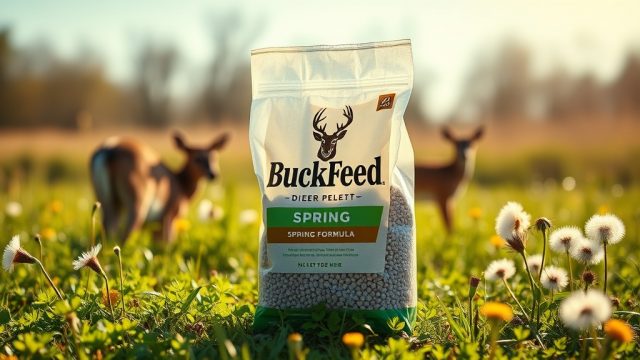

BuckFeed Deer Feed: Spring Transition Nutrition for Antler Regrowth
As winter loosens its grip and the first green shoots emerge, whitetail bucks enter a critical window for antler regrowth. This spring period demands a precise nutritional shift from maintenance to high-octane growth. BuckFeed Deer Feed, specifically formulated for this transition, provides the protein, minerals, and energy needed to kickstart antler development and set the stage for a record-class rack. Understanding how to leverage this feed during the spring months can make the difference between an average set of antlers and a trophy-worthy crown.
Why Is Spring the Most Critical Season for Antler Development?
Spring is the engine room of antler growth. A buck’s body is recovering from the rigors of winter, while simultaneously channeling resources into new antler tissue. This dual demand requires a diet rich in digestible protein and bioavailable minerals. Studies show that antlers can grow up to 0.5 inches per day during peak spring, and this growth is directly tied to nutrition. BuckFeed’s spring formula addresses this with a 20% crude protein content, enhanced calcium and phosphorus ratios, and added zinc and copper. Without this targeted nutritional boost, bucks may produce smaller antlers or experience delayed growth, impacting the entire season’s potential.
What Makes BuckFeed Deer Feed Ideal for Spring Transition?
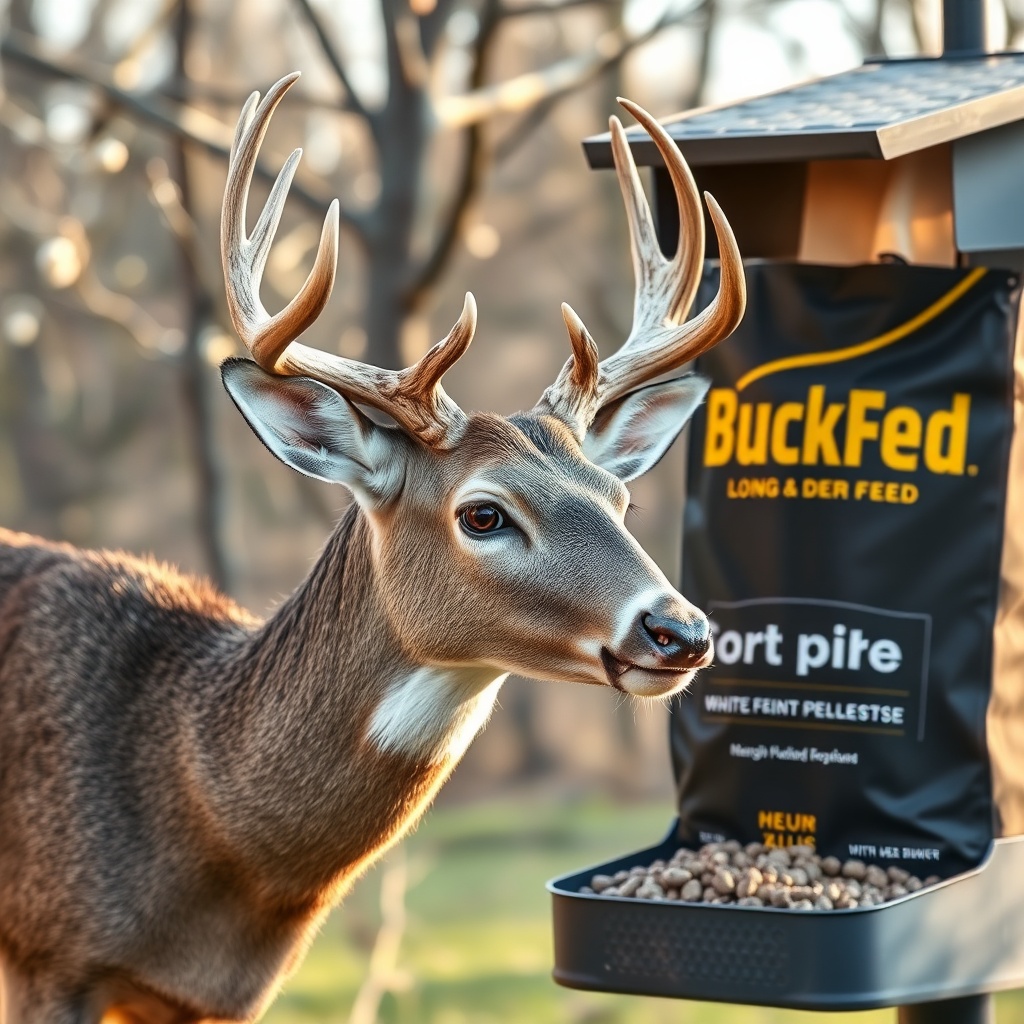
BuckFeed Deer Feed is engineered with spring-specific advantages that set it apart from general deer feeds. Its protein profile is derived from high-quality plant sources like soybean meal and roasted corn, ensuring high digestibility even as a buck’s digestive system adjusts from winter forage. The feed also includes a proprietary mineral pack with 1.2% calcium, 0.8% phosphorus, and 35 ppm zinc—levels that directly support antler mineralization. Unlike many competitors, BuckFeed incorporates probiotics to enhance gut health during this dietary shift, reducing the risk of acidosis or bloat during the transition from hay to grains.
- Crude Protein: 20% minimum
- Crude Fat: 4% minimum
- Crude Fiber: 8% maximum
- Calcium (Ca): 1.2% minimum
- Phosphorus (P): 0.8% minimum
- Copper (Cu): 20 ppm minimum
- Zinc (Zn): 35 ppm minimum
- Selenium (Se): 0.3 ppm minimum
For a deeper look at how these numbers compare to other feeds in the market, see our BuckFeed Deer Feed Protein Content Comparison: How It Stacks Up Against Competitors.
When Should You Start Feeding BuckFeed for Antler Regrowth?
The optimal start time varies by geographic region and winter severity, but a general rule is to begin feeding 4–6 weeks before the average green-up in your area. For most northern states (e.g., Wisconsin, Michigan, Minnesota), this means late March to early April. Southern states (e.g., Texas, Georgia) may start as early as mid-February. The key is to observe when bucks begin shedding antlers and new growth appears as small velvet bumps. BuckFeed should be introduced gradually over 7–10 days, mixing with existing feed or corn to avoid digestive upset. Once fully transitioned, provide free-choice access at a rate of 1–2 pounds per deer per day. For precise timing strategies, read BuckFeed Deer Feed: Best Times of Year to Feed for Maximum Antler Growth.
| Region | Start Date | Daily Intake (lbs/deer) | Duration |
|---|---|---|---|
| Northern US (Canada border) | April 1 | 1.5–2.0 | 8–10 weeks |
| Midwest (Ohio, Indiana, Illinois) | March 15 | 1.5–2.0 | 10–12 weeks |
| Southeast (Georgia, Alabama, SC) | February 20 | 1.0–1.5 | 12–14 weeks |
| Texas/Oklahoma | March 1 | 1.0–1.5 | 10 weeks |
What Minerals in BuckFeed Are Essential for Antler Growth?
Antlers are among the fastest-growing tissues in the animal kingdom, and they require a steady supply of structural minerals. Calcium and phosphorus form the primary matrix, but trace minerals like zinc, copper, and selenium act as catalysts for enzymatic processes and collagen formation. BuckFeed Deer Feed delivers these in a chelated form for better absorption. Zinc, for example, is critical for protein synthesis and cell division—both rampant during antler growth. Copper aids in melanin production (influencing antler color) and connective tissue integrity. Selenium combats oxidative stress. Without these, bucks may produce weak, brittle antlers or suffer from nutrient deficiencies. Our detailed analysis is available in BuckFeed Deer Feed Mineral Analysis: Key Minerals for Antler Growth.
How Does BuckFeed Compare to Natural Forage in Spring?
Natural spring forage—like clover, alfalfa, and new grass shoots—provides valuable nutrition, but it often lacks the concentrated mineral and protein profile needed for maximum antler growth. A 100% natural diet may deliver 12–15% protein, but BuckFeed offers 20% with enhanced mineral density. Additionally, early spring forage can be low in phosphorus (0.2% vs. BuckFeed’s 0.8%), which is crucial for energy transfer and bone formation. BuckFeed also contains energy-dense fats (4% crude fat) that help bucks regain body condition lost over winter. While forage should still be encouraged through food plots, supplementing with BuckFeed ensures no nutritional gaps. For summer-specific tips, see BuckFeed Deer Feed: Summer Feeding Tips for Antler Growth and Health.
What Do Deer Managers Say About BuckFeed in Spring?
Seasoned deer managers report impressive results after switching to BuckFeed for spring transition. On the BuckFeed forums and social media groups, common themes include earlier antler growth initiation, denser antler tissue, and better overall herd health. Land manager Tom H. from Iowa notes, “I started BuckFeed in early April last year. My target bucks had visible antler growth two weeks earlier than neighbors using a competitor’s feed. By June, the rack differences were obvious—thicker beams and more points.” Wildlife biologist Dr. Sarah K. adds, “The probiotic component is underrated. Fewer digestive issues means bucks spend more time feeding and less time stressed. This directly translates to growth.” Many also praise the consistent pellet size and low dust content, which minimizes waste and attracts a wider range of age classes.
Frequently Asked Questions
Yes, but the formula is optimized for spring–summer antler growth. For winter, consider our BuckFeed Deer Feed vs Record Rack: Winter Nutrition Comparison. For fall transition, see BuckFeed Deer Feed: Fall Transition Nutrition for Antler Growth and Winter Prep.
At the recommended spring rate of 1.5 lbs/day, a 50-lb bag lasts approximately 33 days. For a herd of 10 deer, you’ll need about 15 lbs/day or a bag every 3 days.
Yes, the balanced nutrition supports all deer. Fawns benefit from the protein for growth, and does use it for lactation. However, for best results, separate feeding stations may be needed to reduce competition.
BuckFeed costs approximately $0.55 per pound for a 50-lb bag, or $27.50 per bag. Bulk discounts may apply for orders exceeding 1,000 lbs.
Store in a cool, dry location below 80°F. Use airtight containers or sealed barrels. If using a feeder, add a weatherproof cover and clean it monthly. Avoid direct sunlight exposure.
Yes, but for spring transition, mixing with cracked corn at a 3:1 ratio (BuckFeed to corn) helps reduce diet shock. Transition slowly over 7 days to full BuckFeed for optimal results.