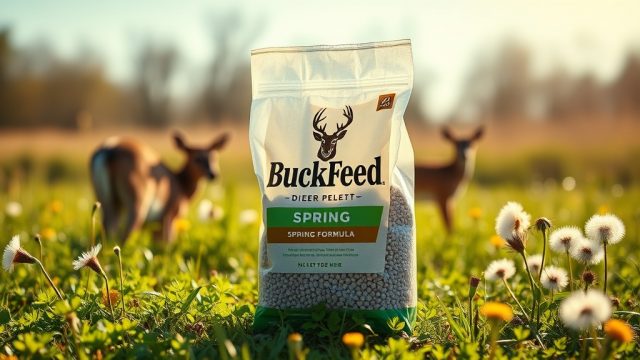
What Makes BuckFeed Deer Feed a Top Choice for Summer Nutrition?
BuckFeed Deer Feed has earned its reputation among wildlife managers and serious deer enthusiasts for its targeted summer formulation. Designed to meet the intense metabolic demands of antler growth, this feed focuses on high-quality protein, essential minerals, and controlled energy levels. When temperatures climb and forages shift, BuckFeed helps maintain body condition and supports the rapid development of antler tissue, making it a reliable choice for those committed to improving herd health. Its balanced profile ensures deer receive the nutrients they need without excessive carbohydrates that can lead to unwanted weight gain or digestive issues during the warmer months.
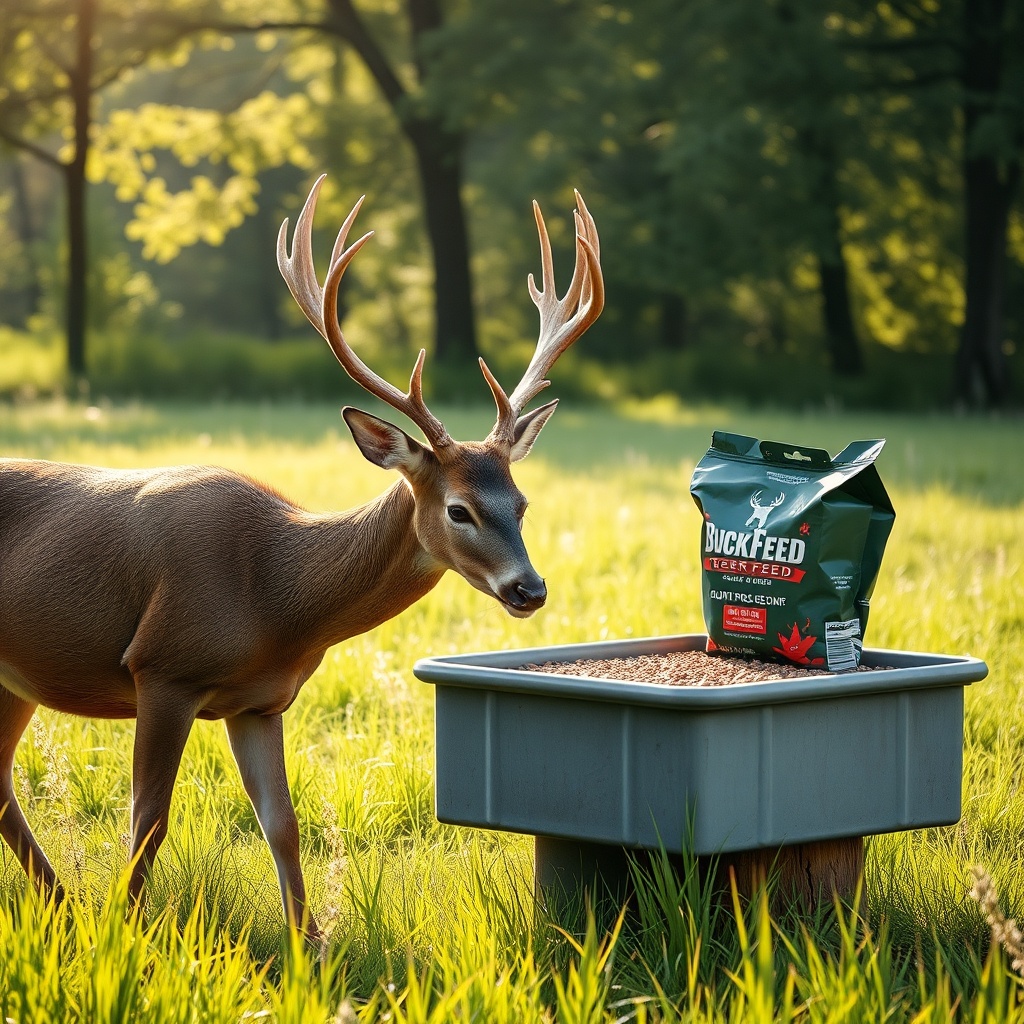
How Does BuckFeed Deer Feed Support Antler Growth in Summer?
Antler development is a demanding physiological process that peaks during the summer, requiring a precise balance of protein, calcium, phosphorus, and trace minerals. BuckFeed Deer Feed is formulated with a 20% crude protein level, which is critical for the structural growth of antlers. The feed also provides elevated levels of calcium and phosphorus in a ratio that promotes efficient bone mineralization. A key differentiator is the inclusion of zinc, copper, and manganese chelates—these are highly bioavailable and ensure that minerals are absorbed when deer need them most.
For a deeper dive into the specific micronutrients in BuckFeed, see our BuckFeed Deer Feed Micronutrient Analysis: Key Minerals for Antler Growth. This article breaks down how each mineral contributes to robust rack development and overall bone health.
What Is the Ideal BuckFeed Feeding Schedule During Hot Weather?
Summer heat can reduce white-tailed deer’s activity and feeding behavior. To maximize intake, offer BuckFeed Deer Feed during cooler periods—early morning (sunrise to 9 a.m.) and late afternoon (4 p.m. to sunset). This aligns with natural movement patterns and reduces waste. A consistent schedule also minimizes digestive stress. Expect adult bucks to consume 2–3 pounds of feed per day under summer conditions, though exact amounts vary by herd density and natural browse availability. For a guide on the optimal times of year to feed, refer to our article on BuckFeed Deer Feed: Best Times of Year to Feed for Maximum Antler Growth.
How Does BuckFeed Compare to Other Summer Deer Feeds?
When evaluating summer feeds, protein content, mineral density, and palatability are critical. BuckFeed Deer Feed is competitively priced and formulated to avoid common issues like intake rejection. Below is a direct comparison with two leading competitors.
| Feature | BuckFeed Deer Feed | Competitor A (Brand X) | Competitor B (Brand Y) |
|---|---|---|---|
| Crude Protein | 20% | 16% | 18% |
| Crude Fat | 4% | 5% | 3% |
| Crude Fiber | 8% | 12% | 10% |
| Calcium:Phosphorus Ratio | 1.5:1 | 1.2:1 | 1.8:1 |
| Zinc (chelated) | 150 ppm | 100 ppm (sulfate) | 120 ppm (oxide) |
| Copper (chelated) | 20 ppm | 10 ppm (sulfate) | 15 ppm (sulfate) |
| Price per 50-lb bag | $18.99 USD | $22.50 USD | $20.00 USD |
| Average Daily Intake (buck) | 2.5 lb | 2.0 lb | 2.8 lb |
BuckFeed offers a superior calcium-to-phosphorus ratio and higher chelated mineral content at a lower cost per bag. For a broader look at protein levels, see BuckFeed Deer Feed Protein Content Comparison: How It Stacks Up Against Competitors.
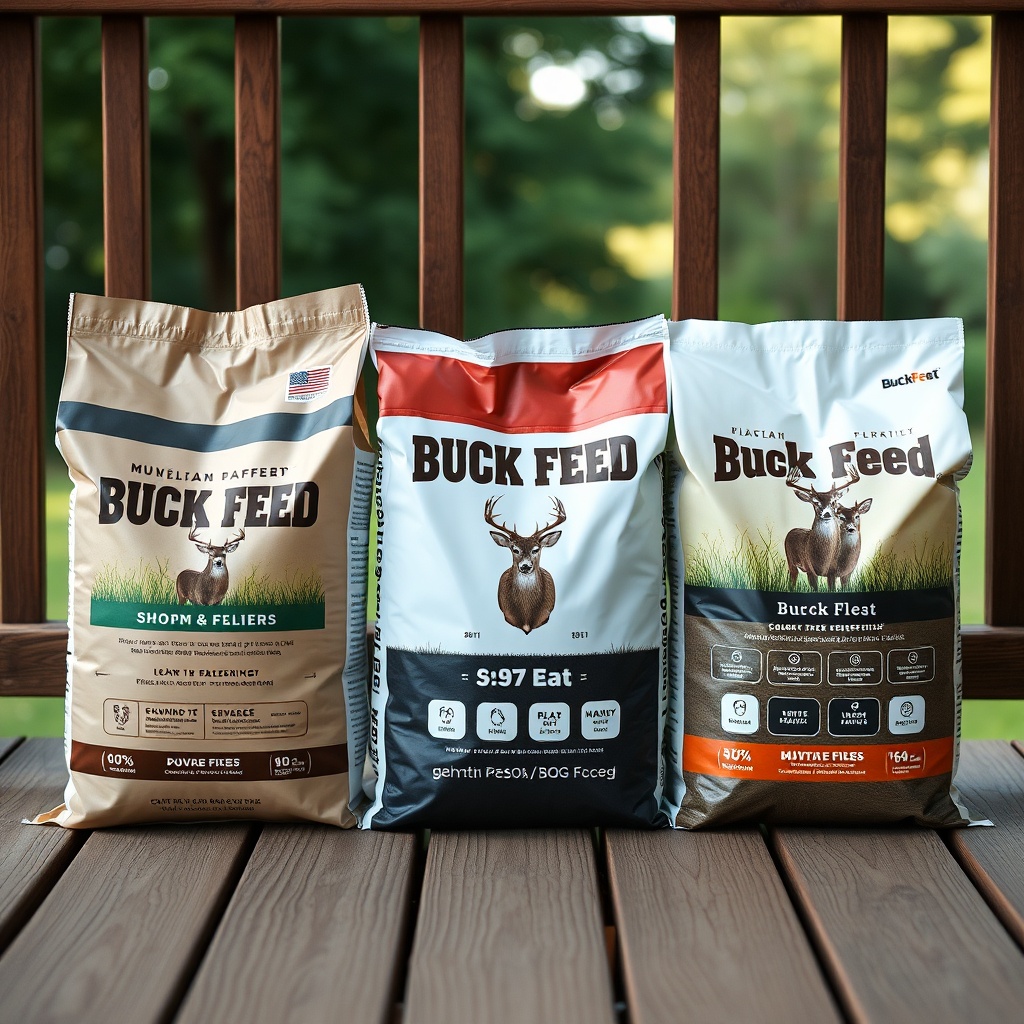
What Are Common Problems With BuckFeed During Summer and How to Solve Them?
High humidity and heat during summer can cause feed to develop off-odors or attract insects. BuckFeed Deer Feed uses natural preservatives and is free of artificial binders, but improper storage still presents risks. If deer show hesitation, odor rejection is likely. For help with this, check Why Deer Reject Strong-Smelling Feed: Troubleshooting BuckFeed and Manna Pro Odor Issues. To maintain freshness, store feed in a cool, dry location with airtight containers, and always check for mold before each feeding. For detailed storage guidance, read BuckFeed Deer Feed: Mold Prevention and Storage Tips for Freshness.
How Much BuckFeed Should You Offer to Maximize Antler Growth?
Summer is a period of high metabolic demand, and provisioning adequate feed quantity is essential. For a typical managed herd, offer 0.5 to 1.0 pound per deer per day for the first week, then increase to 2–3 pounds per adult deer daily over two weeks. This gradual transition prevents digestive upset. Bucks in prime condition may eat up to 4% of their body weight daily. Monitor troughs to ensure feed remains fresh and free of spoilage. For early-season planning, consult BuckFeed Deer Feed Mineral Analysis: Key Minerals for Antler Growth.
What Owners Say About BuckFeed Deer Feed in Summer
Many land managers and hunters report noticeable improvements in antler mass and overall herd condition after switching to BuckFeed Deer Feed. A property owner from Missouri noted that within 30 days, his mature bucks showed a distinct increase in beam diameter and tine length. Another user in Texas highlighted the palatability—deer seemed to prefer BuckFeed over other brands, resulting in consistent feeding without waste. One reviewer remarked on the feed’s consistency: “I’ve used it for three summers, and my young bucks are reaching 10-point frames earlier than I expected. The antler base growth is solid.” While results vary based on habitat and genetics, the feedback supports the product’s utility for summer feeding programs.
Frequently Asked Questions
1. Can I feed BuckFeed Deer Feed year-round?
Yes, but it is specifically optimized for summer antler growth and overall health. In fall and winter, a lower-protein maintenance feed might be more appropriate.
2. Does BuckFeed require a special feeder?
Any standard deer feeder will work, but use a trough or a screen-bottomed feeder to minimize moisture accumulation. Proper storage is critical in humidity.
3. How long does a 50-pound bag last for one deer?
At 2.5 lb per day, a bag lasts about 20 days for a single buck. For a small herd, adjust quantities accordingly.
4. Is BuckFeed safe for fawns and does?
Yes, the balanced formulation supports all deer. Does need protein for lactation, and yearlings benefit for body growth. Reduce quantities for smaller animals.
5. What if deer don’t eat BuckFeed immediately?
Allow a 3–5 day transition from their current feed. Mix 25% BuckFeed with 75% old feed, then gradually shift. If strong odor persists, check troubleshooting tips.
6. Does BuckFeed contain any medication or additives?
No. It is a non-medicated feed with natural preservatives and added vitamins (A, D, E) for immune support and mineral absorption.