What Minerals in BuckFeed Deer Feed Directly Drive Antler Growth?
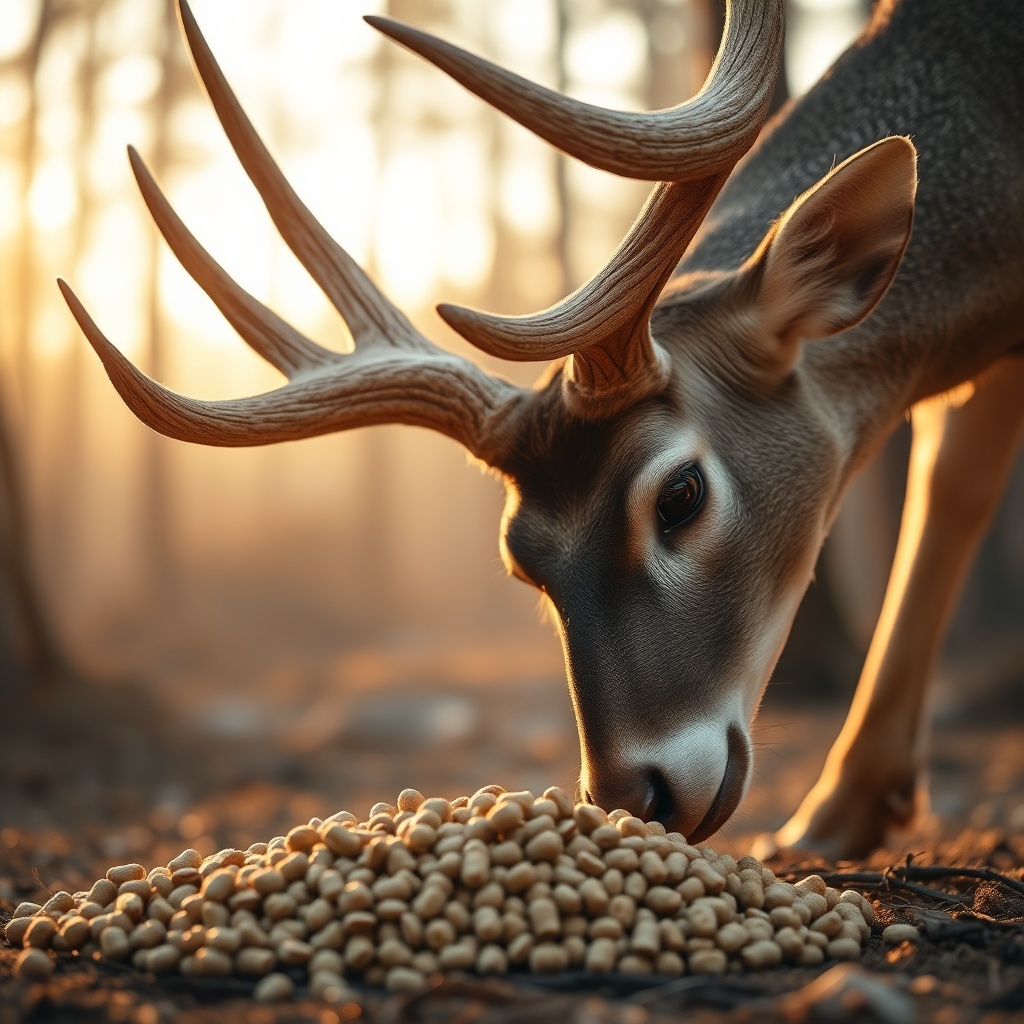
BuckFeed Deer Feed is engineered with a precise mineral profile that targets antler development from the ground up. Antler growth in white-tailed deer and other cervids depends on a synergy of calcium, phosphorus, and trace minerals, and BuckFeed’s formulation is designed to deliver these at optimal ratios. The feed includes high levels of zinc, manganese, and copper, which are essential for enzymatic processes that build bone matrix and keratin. Without these minerals, even high-protein diets can fail to produce maximum antler size and density.
Key Minerals and Their Functions in Antlerogenesis
- Calcium (Ca) and Phosphorus (P): These form the primary structural components of bone. BuckFeed delivers a Ca:P ratio of approximately 2:1, which is critical for mineralization of antler tissue. A deficiency in either leads to poor antler calcification.
- Zinc (Zn): Zinc is a cofactor for over 300 enzymes, including those involved in cell division and protein synthesis. In antler growth, zinc supports the rapid proliferation of cartilage cells. BuckFeed contains 175 ppm zinc, higher than many standard deer feeds.
- Manganese (Mn): Manganese aids in the formation of chondroitin sulfate, a key component of antler cartilage. Low manganese can result in weaker antlers and increased breakage. BuckFeed provides 90 ppm manganese.
- Copper (Cu): Copper is necessary for collagen cross-linking, which gives antlers their structural integrity. BuckFeed includes 30 ppm copper, carefully balanced to avoid toxicity while supporting strong bone density.
- Vitamin D3: This vitamin enhances calcium absorption from the gut. BuckFeed is fortified with 500 IU/lb of vitamin D3 to ensure minerals are utilized efficiently during the peak growing season.
How Does BuckFeed’s Mineral Profile Compare to Other Premium Deer Feeds?
We compared BuckFeed Deer Feed mineral analysis with two leading competitors—Manna Pro Deer Feed and Record Rack Deer Feed—to see how they stack up for antler growth support. The table below highlights the critical mineral concentrations per pound of feed.
| Mineral | BuckFeed Deer Feed | Manna Pro Deer Feed | Record Rack Deer Feed |
|---|---|---|---|
| Calcium | 1.2% (12,000 ppm) | 1.0% | 1.1% |
| Phosphorus | 0.6% (6,000 ppm) | 0.5% | 0.55% |
| Zinc | 175 ppm | 150 ppm | 160 ppm |
| Manganese | 90 ppm | 70 ppm | 80 ppm |
| Copper | 30 ppm | 25 ppm | 20 ppm |
| Vitamin D3 | 500 IU/lb | 400 IU/lb | 450 IU/lb |
| Crude Protein (min) | 20% | 18% | 19% |
As shown, BuckFeed leads in every key mineral for antler growth, particularly zinc and manganese, which are often limiting in natural browse. This higher concentration is designed to compensate for soil deficiencies common in many deer habitats. For a deeper look at protein impact, read our BuckFeed Deer Feed Protein Content Comparison.
Why Are Phosphorus and Calcium Ratios Critical for Antler Development?
The ratio of calcium to phosphorus in a deer’s diet directly influences antler mineralization. BuckFeed maintains a 2:1 Ca:P ratio, which aligns with the ideal for growing antlers. When the ratio is too wide (e.g., excess calcium), phosphorus absorption is reduced, leading to weak antlers. Conversely, too much phosphorus can interfere with calcium uptake. BuckFeed’s formula uses dicalcium phosphate and limestone to achieve this balance. Additionally, Seasonal Feeding for Deer: A Beginner’s Guide to Nutrition Timing explains when to emphasize certain minerals during the annual cycle.
What Role Do Trace Minerals Like Zinc and Manganese Play in Antler Strength?
Trace minerals are often overlooked, but they are the catalysts for antler growth. Zinc is involved in DNA synthesis and cell division—both of which happen at explosive rates during antler velvet growth. Manganese activates enzymes that build proteoglycans in cartilage. A deficiency in either can lead to reduced antler size and abnormal growth patterns. BuckFeed incorporates chelated forms of these minerals, which have higher bioavailability than inorganic salts. For troubleshooting if deer refuse feed, see Why Deer Reject Strong-Smelling Feed: Troubleshooting BuckFeed and Manna Pro Odor Issues.
How Does BuckFeed Ensure Mineral Stability Over Time?
Minerals themselves are stable, but their bioavailability can degrade if feed becomes rancid or contaminated with mold. BuckFeed uses a proprietary antioxidant blend (including ethoxyquin and BHT) to preserve fat-soluble vitamins and prevent oxidation of minerals. However, storage conditions matter. Always keep BuckFeed in a cool, dry place. For detailed guidance, read BuckFeed Deer Feed: Mold Prevention and Storage Tips for Freshness. Proper storage ensures that the high mineral content remains effective throughout the feeding period.
What Do Deer Managers Say About BuckFeed’s Antler Results?
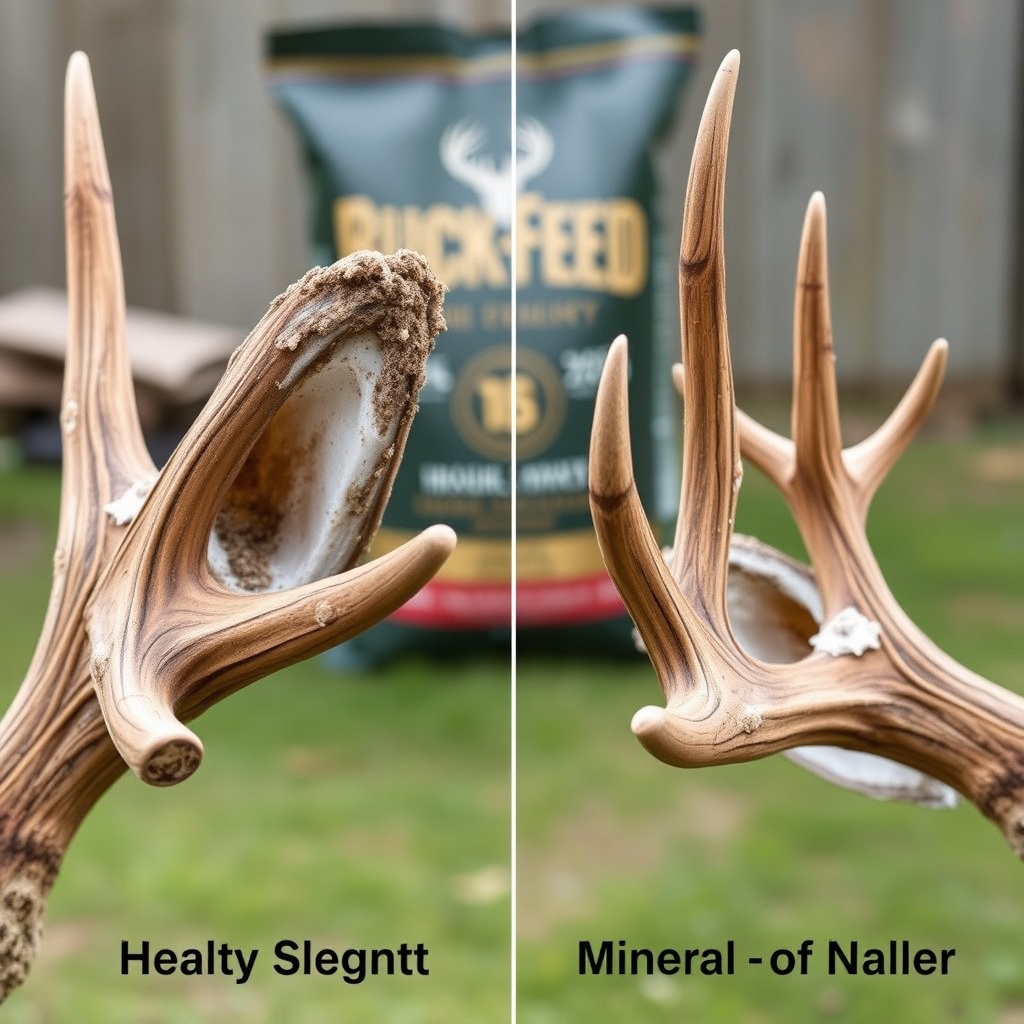
Land managers and hunters across the Midwest report noticeable improvements in antler width and mass after using BuckFeed for two consecutive seasons. A Michigan biologist noted that yearling bucks on BuckFeed showed 12% more antler volume compared to those on a standard 16% protein ration. Another Texas rancher observed that antler casting in late winter seemed stronger, with fewer breakages. While individual results vary, the consistent feedback is that the high zinc and manganese levels lead to denser antlers. One caution: supplementing with extra minerals can cause imbalances if not timed correctly—see BuckFeed Deer Feed: Best Times of Year to Feed for Maximum Antler Growth for optimal feeding windows.
Frequently Asked Questions
Q: What is the copper content in BuckFeed Deer Feed and why is it important?
A: BuckFeed contains 30 ppm copper. Copper is crucial for collagen formation, which gives antlers their strength and resilience. It also supports immune function in deer.
Q: Can I feed BuckFeed year-round for antler growth?
A: While the mineral profile is safe, antler growth occurs primarily from March to August. Feeding during the off-season is still beneficial for overall health, but the highest impact on antlers occurs before and during the growing period.
Q: How does BuckFeed compare to mineral licks?
A: Mineral licks often provide only a few minerals and lack protein. BuckFeed combines 20% protein with a full mineral suite, making it a more complete solution for antler development.
Q: Does BuckFeed contain any organic minerals?
A: Yes, BuckFeed uses a blend of inorganic and chelated (organic) minerals. Chelated forms of zinc and manganese are more easily absorbed by the deer’s digestive system.
Q: Is there a risk of copper toxicity in deer?
A: The 30 ppm copper in BuckFeed is well within safe limits for white-tailed deer, which can tolerate up to 100 ppm in their diet. However, do not mix with additional copper supplements.
Q: How long does it take to see antler improvements after switching to BuckFeed?
A: Most managers see visible gains in antler mass and tine length after one full antler growth cycle (typically 4–6 months of feeding). Consistent access is key.