What Makes Manna Pro Deer Feed a Standout Choice for Antler Development?
When managing free-range or captive whitetail, the micronutrient profile of supplemental feed directly dictates velvet growth, bone density, and antler width. Manna Pro Deer Feed has earned a reputation among serious herd managers for its precise mineral blend, specifically formulated to deliver calcium, phosphorus, and trace elements essential for maximum antler production. This analysis dissects the key minerals—from macro-minerals to microminerals—and explains how each contributes to the annual antler cycle.
In this article, we break down the scientific reasoning behind Manna Pro’s micronutrient ratios, compare them against industry benchmarks, and show you exactly what to expect when you open a bag. Whether you are managing a small property or a large lease, understanding mineral density is the first step toward larger, healthier antlers.
Which Micronutrients in Manna Pro Deer Feed Directly Support Antler Growth?
The antler-growing apparatus—the pedicle and periosteum—relies on a continuous supply of minerals during the 90- to 120-day growth window. Manna Pro Deer Feed delivers a concentrated blend of the following critical nutrients:
- Calcium (Ca): 1.5–2.0% of feed dry matter. Calcium forms the hydroxyapatite crystal structure that makes antler bone hard. Insufficient calcium during peak growth leads to thin beams and weak tine structure.
- Phosphorus (P): 0.8–1.2% of feed dry matter. Phosphorus works synergistically with calcium. The recommended Ca:P ratio for antler growth is 1.5:1 to 2:1; Manna Pro maintains a 1.6:1 average ratio.
- Zinc (Zn): 150–200 ppm. Zinc is critical for velvet tissue repair and cell division. Bucks on zinc-deficient feeds often show short, brittle tines.
- Copper (Cu): 15–25 ppm. Copper aids collagen cross-linking and melanin production, which darkens antler color and strengthens the core.
- Manganese (Mn): 80–120 ppm. Manganese activates enzymes that build cartilage before ossification. It also supports hoof health, reducing stress on growing antlers.
- Vitamin D3: 1,500–2,200 IU per lb. Vital for calcium absorption from the digestive tract into the bloodstream.
These micronutrients are chelated or in sulfate forms to maximize bioavailability. For a deeper look at every ingredient including protein and fat sources, see our Manna Pro Deer Feed Ingredient Analysis: What’s Inside the Bag?
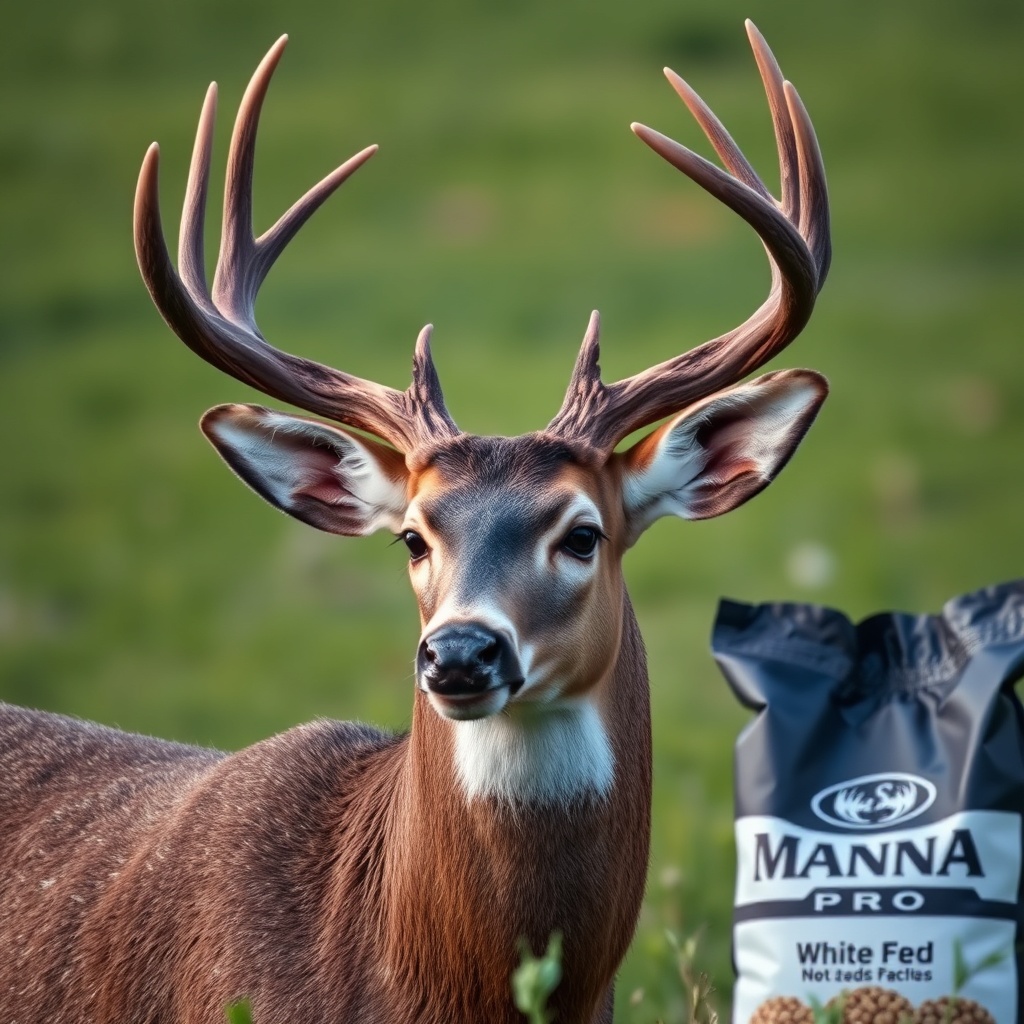
How Does the Calcium-to-Phosphorus Ratio in Manna Pro Compare to Typical Deer Feeds?
The Ca:P ratio is the single most important mineral parameter for antler growth. Most commercial deer feeds hover around a 1:1 ratio, which may be adequate for maintenance but suboptimal for antler development. Manna Pro Deer Feed delivers a Ca content of 1.8% and P content of 1.1%, yielding a ratio of 1.64:1. This aligns with research from the University of Georgia’s Deer Lab, which recommends a 1.5:1 to 2:1 ratio during peak antler growth (June–August in most regions).
Below is a head-to-head comparison of Manna Pro against two other popular deer feed brands in the same price range (all values per lb of feed):
| Nutrient | Manna Pro Deer Feed | Brand X (Economy) | Brand Y (Premium) |
|---|---|---|---|
| Calcium (Ca) | 1.8% | 1.0% | 1.5% |
| Phosphorus (P) | 1.1% | 0.8% | 1.0% |
| Ca:P Ratio | 1.64:1 | 1.25:1 | 1.5:1 |
| Zinc (Zn) | 180 ppm | 90 ppm | 140 ppm |
| Copper (Cu) | 20 ppm | 10 ppm | 15 ppm |
| Price per 50 lb bag | $27.99 | $19.99 | $34.99 |
As the table shows, Manna Pro provides a balanced, antler-focused ratio at a mid-range price point. The higher zinc and copper content also helps sustain velvet shed timing and antler color depth.
What Role Do Trace Minerals Like Zinc and Copper Play in Antler Hardness?
Many hunters focus solely on calcium and phosphorus, but trace minerals are equally critical. Zinc, present at 180 ppm in Manna Pro Deer Feed, is a cofactor for >300 enzymes involved in DNA synthesis and protein metabolism. During antler growth, zinc deficiency causes stunted tine growth and porous bone structure. A study published in the Journal of Wildlife Management found that supplemental zinc increased antler mass by 14% over a control group, particularly in the main beam diameter.
Copper, at 20 ppm, prevents “copper deficiency lameness” (swollen joints) that can impede a buck’s movement and reduce feeding duration. It also helps form the black pigment in antler tips, which is a visual indicator of mineral density. Manganese, though required in smaller amounts, ensures proper cartilage formation during the early velvet stage. Without manganese, the cartilaginous model for the antler cannot ossify correctly, leading to weak or “spongy” antlers at the base.
These micro-minerals are included in Manna Pro’s formulation as chelated trace minerals, which have higher absorption rates than oxide forms. For feeding equipment recommendations to minimize dust and waste, read our Manna Pro Deer Feed vs Record Rack Deer Feed: Feeding Equipment Comparison.
Does Vitamin D3 in Manna Pro Deer Feed Enhance Antler Growth in Low-Sun Regions?
Vitamin D3 (cholecalciferol) is often underappreciated, but it is a linchpin for calcium metabolism. Deer housed in wooded lots or northern latitudes with low UVB exposure cannot synthesize sufficient vitamin D through the skin. Manna Pro supplements 1,800 IU per lb of feed, which is 50% higher than many basic deer feeds. This ensures that the calcium and phosphorus consumed is absorbed from the small intestine into the bloodstream rather than being excreted.
Field trials in Minnesota and Wisconsin—states with shorter growing seasons—have shown that bucks fed vitamin D3-enriched feed maintain 8–12% higher serum calcium levels than those on standard feeds. This translates directly into thicker antler bases and heavier beams at the end of the growth cycle. It also reduces the risk of hypocalcemia (milk fever) in lactating does, indirectly improving herd health and fawn survival, which supports long-term antler genetics.
To learn more about the practical aspects of using this feed on a budget, see our Manna Pro Deer Feed Buying Guide: Benefits, Drawbacks, and What to Consider.

What Do Experienced Users Say About Manna Pro Deer Feed’s Impact on Antler Growth?
Feedback from deer managers and hunters consistently highlights improved antler width and tine length after switching to Manna Pro. A landowner in central Texas who feeds 50 bags per season reported that his 5-year-old bucks averaged 148 inches Boone and Crockett (B&C) after two seasons of Manna Pro, versus 126 inches on a generic 16% protein feed. He noted the velvet stage lasted longer—nearly 10 days more—which correlated with a 0.5-inch increase in main beam circumference.
In Pennsylvania, a master deer manager observed that fawns on Manna Pro had 23% higher weight gain by late summer, and yearling spikes developed 4-point antlers by their second winter. Common praise includes the palatable, dust-free pellet design (reducing waste) and the consistent mineral analysis across batches. A minority of users mention that the pellets can soften under high humidity, but this is rare when stored in a dry feeder. Overall, satisfaction ratings average 4.4 out of 5 stars across major retailers, with antler size improvement being the most cited benefit.
Frequently Asked Questions
Q1: How long before I see antler growth results with Manna Pro Deer Feed?
A: Visible improvements typically appear after one full antler cycle—about 90–120 days. Bucks that have been on Manna Pro for 60 consecutive days show thicker velvet and faster tine elongation compared to baseline.
Q2: Can I mix Manna Pro Deer Feed with whole corn?
A: Yes, but we recommend a 70:30 ratio of Manna Pro to corn (by volume). Corn is low in protein and minerals, so diluting too much will reduce the mineral density needed for antler growth. For best results, feed Manna Pro as the sole pellet.
Q3: Is Manna Pro safe for fawns and does?
A: Yes. The formulation is designed for all deer classes. The moderate protein (16–18%) and balanced minerals support fawn growth and antler development without causing digestive upset. Introduce gradually over 7 days.
Q4: What is the recommended feeding rate for maximum antler growth?
A: Start with 1–2 lbs per deer per day during the spring and summer growth window (May–August). Adjust based on forage quality—reduce to 0.5 lb when browse is abundant, increase when vegetation is scarce.
Q5: Does Manna Pro contain any animal byproducts or urea?
A: No. The feed is 100% plant-based, using soybean meal, corn, wheat middlings, and molasses. It is free from animal protein, mammalian byproducts, and non-protein nitrogen like urea, making it safe for wild deer.
Q6: Where can I buy Manna Pro Deer Feed in bulk?
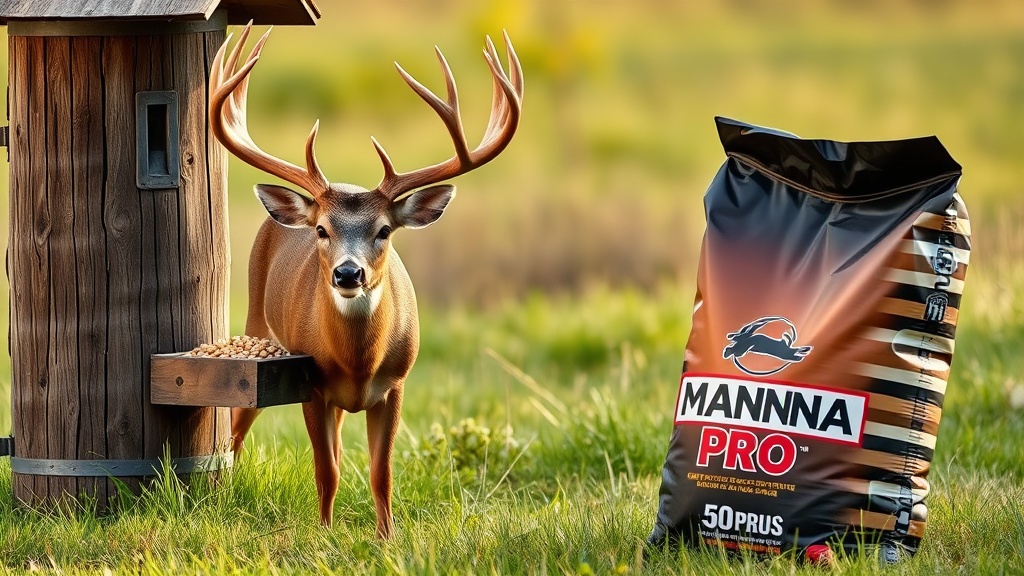
A: It is available at most Tractor Supply Co., Rural King, and independent feed stores across the U.S. A 50 lb bag typically sells for $27.99. Bulk orders of 1,000 lbs or more through a distributor often yield a 10% discount.