Introduction
BuckFeed Deer Feed has developed a strong reputation among whitetail managers, but even the best product can fail to attract deer if certain conditions aren’t met. When your feed goes untouched for days, it’s easy to blame the food itself—yet the real causes are often environmental, behavioral, or logistical. In this guide, we break down the most common reasons deer refuse BuckFeed and provide actionable fixes to turn your feeding station into a reliable draw.
Why Won’t Deer Approach BuckFeed After Initial Setup?
One of the frustrating scenarios is putting out a fresh bag of BuckFeed and seeing zero activity for a week. Deer are naturally cautious, and new objects or scents can spook them initially. The fix requires patience and scent management. Start by placing feed in an area with existing deer sign—tracks, droppings, or trails. Use rubber gloves when handling the bag and pour feed into a clean trough or on bare ground well away from human paths. If deer still avoid the site after 10 days, consider adding a small amount of local food—such as acorns or corn—mixed in with BuckFeed to bridge the familiarity gap. Also, check that the feeding location isn’t too close to bedding cover (deer prefer visibility when feeding) or too far from water. Adjust the site while clearing nearby vegetation to improve sightlines.
Is BuckFeed Too Hard or Stale for Their Palates?
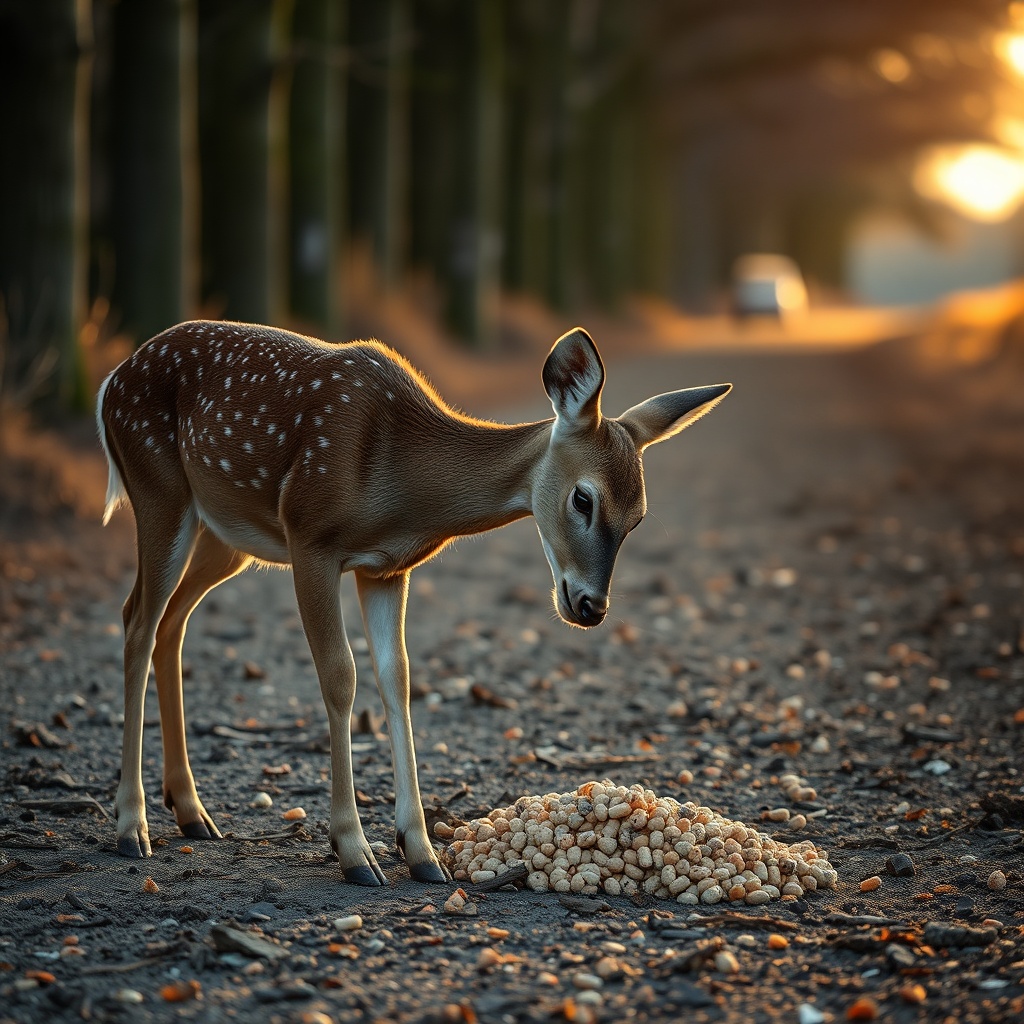
BuckFeed is formulated to stay fresh in sealed bags, but exposure to humidity, rain, or rodents can degrade the pellet quality. If pellets become rock-hard or develop a musty smell, deer will hesitate. Always store unused feed in a cool, dry location (below 25°C) and use sealed, rodent-proof containers. For current feed that has hardened, break pellets into smaller pieces with a mallet or add a few drops of water to soften them—just enough to mimic the texture of fresh feed. Check the expiration date; BuckFeed typically lasts 12 months in unopened bags. For long-term storage, rotate stock so that new bags are used before older ones. If your region has high humidity, consider using a feeding device like the BuckFeed Deer Feed: Best Feeding Methods and Equipment for Optimal Use that protects from moisture, such as a covered gravity feeder.
| Issue | Severity (1-5) | Likely Cause | Quick Fix |
|---|---|---|---|
| Pellets too hard | 3 | Excess moisture or age | Crush or moisten pellets slightly |
| Stale smell | 4 | Improper storage | Discard and reseal new bag |
| Mold or insects | 5 | Rodent infestation or moisture | Sanitize feeder and replace feed |
| Low consumption | 2 | Pellet size too large for fawns | Mix with cracked corn or small feed |
What Role Does Weather Play in Deer Rejecting BuckFeed?
Weather can dramatically affect deer feeding behavior. During extreme heat (above 35°C), deer tend to feed less during daylight and may bed near water sources instead. Conversely, heavy rain can wash away BuckFeed pellets quickly or make them unappealing. The solution is to adjust feeding times and locations. Offer the feed in the early morning or late evening during hot spells, and place it under a natural canopy or roofed feeder to keep it dry. In winter, deer require high-energy foods, and BuckFeed’s protein-rich formula should still draw them, but ensure feed is not buried under deep snow. Use a platform feeder or snow-free ground by clearing a patch. Also note that sudden weather shifts—like a warm front after a cold snap—can temporarily suppress appetite; wait 2–3 days for deer to acclimate before making changes.
Could There Be Competition from Nearby Natural Food Sources?
Even premium BuckFeed can lose out to a bumper crop of acorns, alfalfa fields, or fresh orchard fruits. Deer are opportunistic and often prioritize natural foods that are already available. The fix is to complement, not replace, natural sources. Use BuckFeed as a supplemental attractant rather than a full ration. In autumn, when mast is abundant, reduce feed quantities or switch to a lower-protein blend that mimics browse. However, during late winter or drought, BuckFeed becomes more valuable. You can also position your feeding station near a transition zone between cover and food plots—this increases the likelihood deer will encounter it. If competition persists, consider using attractant scents (like apple or anise) sparingly to enhance the feed’s appeal.
What If the Feeding Site Is Wrong or Overcrowded?
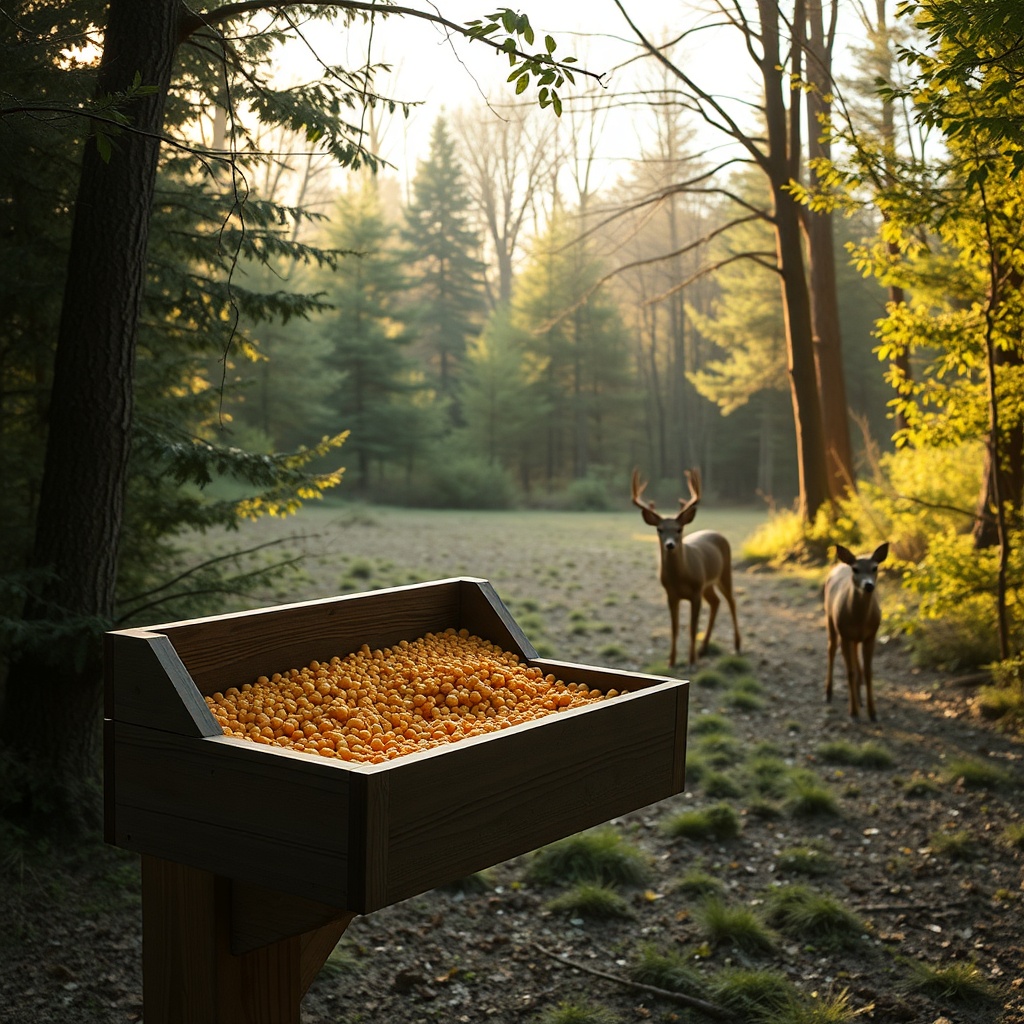
Location mistakes are among the top reasons BuckFeed goes untouched. A feeder placed in open fields without cover will make deer feel vulnerable, while one hidden deep in thick brush may be hard for them to find. Ideal sites are on the edge of timber with 30–40 yards of visibility and access to escape routes. Overcrowding at the feeder can also cause dominance issues—dominant bucks may chase others away. To fix this, provide multiple feeding stations spaced at least 100 yards apart, especially in high-density areas. Use troughs or slow-feed designs that prevent one animal from monopolizing the food. For more detailed setup tips, read our BuckFeed Deer Feed Review: Is It Worth the Hype? to see how seasoned managers handle placement.
What Owners Say About BuckFeed Rejection Issues
Customer feedback reveals that most rejection problems are temporary and fixable. On a popular hunting forum, one owner in Wisconsin noted: “I put out a bag in mid-October, and the deer ignored it for two weeks. I realized the feeder was too close to my driveway. Moved it 50 yards deeper into the woods and added a salt block—now they clean it out every three days.” Another from Texas shared: “My BuckFeed got hard as rocks after a rainstorm. I crushed it up and mixed with a little molasses water—they came back within 24 hours.” A third owner in Pennsylvania emphasized scent control: “I was wearing latex gloves from the start, but my buddy came over without gloves and touched the feed pile. Deer stayed away for four days. We dumped that batch and started fresh with gloves—fixed the issue.” The consensus is clear: most problems stem from human scent, poor storage, or minor site adjustments, not the feed itself.
Frequently Asked Questions
Why won’t deer eat BuckFeed even if it’s fresh?
Check for human scent on the feed or feeder, as deer have an excellent sense of smell. Re-site the feeder at least 50 yards from where you walk, and wear gloves during handling.
Can I mix BuckFeed with corn to get deer interested?
Yes, mixing a small amount of cracked corn or oats (10-20%) can help bridge the gap if deer are suspicious. Gradually reduce the mix over a week as they accept BuckFeed alone.
How long does it take for deer to find a new BuckFeed station?
Typically 3 to 10 days, depending on deer density and travel patterns. Use trail cameras to monitor activity, and consider adding a salt block nearby to boost attraction.
What should I do if raccoons or other animals eat the BuckFeed first?
Switch to a gravity feeder with a weight-sensitive lid or install a raccoon-proof ring. You can also feed during daylight hours only, using a timer feeder, to target deer.
Is BuckFeed safe for fawns?
Yes, BuckFeed is nutritionally balanced for all age classes, but fawns may struggle with larger pellets. Crush pellets slightly or offer a small pile of feed separately to accommodate young deer.
Can I use BuckFeed as a training tool for photography or observation?
Absolutely. Establish a consistent feeding schedule and place the feed in a location with good visibility. Use remote cameras with minimal odor to avoid spooking deer.