Why Mold Is the Hidden Threat to Your Deer Feed Investment
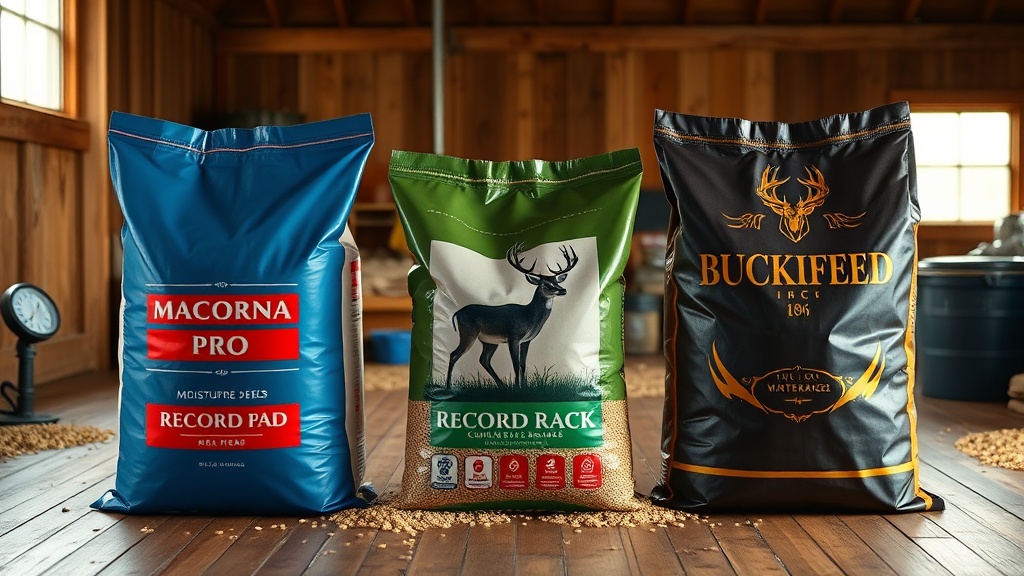
When you invest in high-quality deer feed like Manna Pro, Record Rack, or BuckFeed, the last thing you want is to open a bag of spoiled, moldy grain. Mold not only destroys nutritional value but can also sicken deer, leading to reduced antler growth or worse. Proper storage is the single most effective way to protect your feed—and your deer—from this common, costly problem.
This guide tackles the frequent issue of mold prevention and storage troubleshooting, comparing how Manna Pro Deer Feed, Record Rack Deer Feed, and BuckFeed Deer Feed each handle the challenge. Whether you’re storing a 50-lb bag or bulk tote, these insights will keep your feed fresh and your herd healthy.
What Makes Manna Pro Deer Feed More Prone to Mold Than Others?
Manna Pro Deer Feed is a well-respected brand, but its formulas often contain high-moisture ingredients like molasses and protein pellets. While these boost palatability, they also create a breeding ground for mold if not stored properly. Feed with added sugars and fats can absorb ambient humidity, especially in humid climates or damp feed rooms.
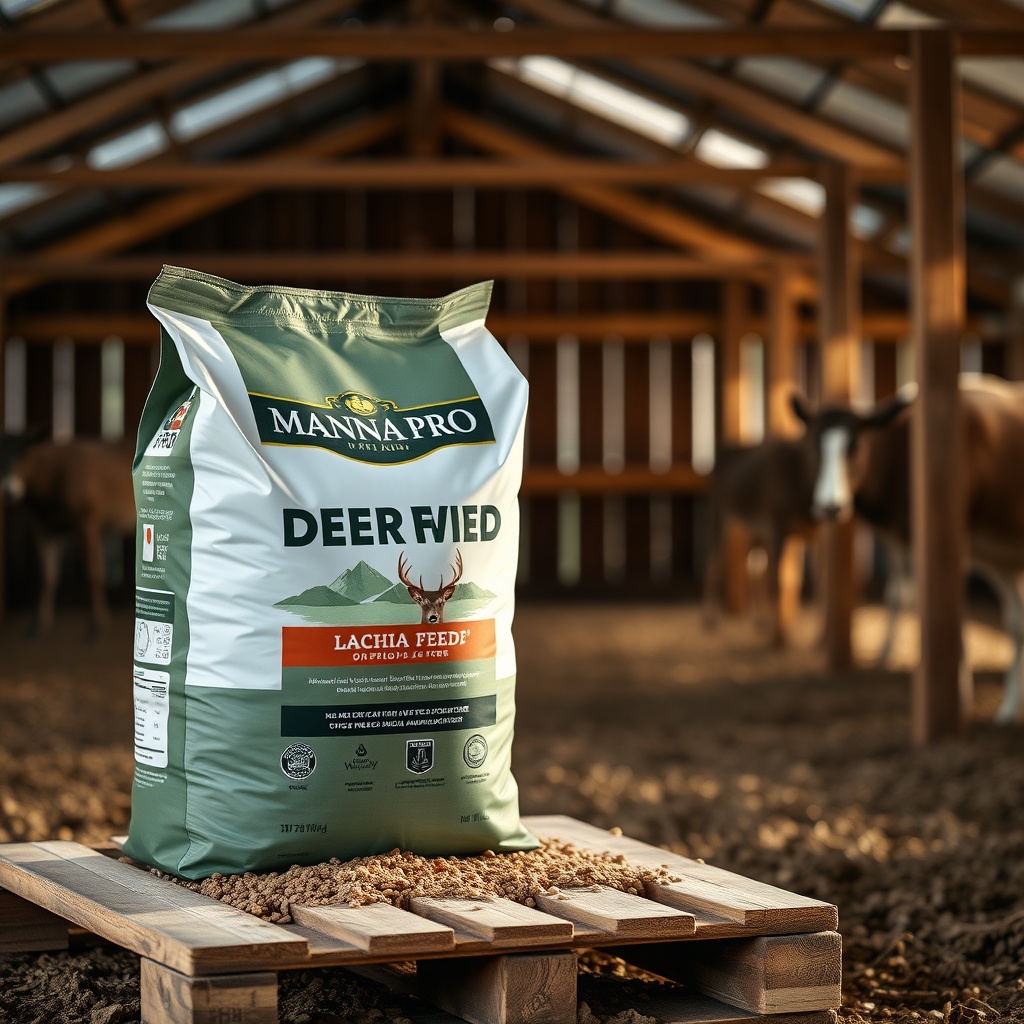
To prevent this, Manna Pro recommends storing their feed in a cool, dry place with consistent temperatures. Leaving bags on concrete floors or in direct sunlight accelerates moisture migration. A simple solution: elevate bags on pallets or shelving to improve airflow. If you notice clumping or a musty smell, it’s often the first sign of developing mold. Regular inspection is key—don’t wait until you see visible fuzz.
How Does Record Rack Deer Feed Compare in Storage Requirements?
Record Rack Deer Feed is formulated for high-energy antler growth, often including whole grains and roasted soybeans. While these ingredients are less sugary than some competitors, they still require careful handling. The larger particle size can actually help with airflow if stored in breathable bags, but it also means more surface area for mold spores.
The brand packaging is generally durable, with triple-layer construction to block moisture. However, once opened, the seal is broken, and you must transfer remaining feed to an airtight container. A major caution: never store Record Rack feed in metal bins during summer without ventilation—condensation can form and ruin an entire batch. Many experienced users report that record rack feed benefits from a weekly “turning” routine (shaking the bag or container) to prevent settling and moisture pockets.
- Best practice for Record Rack: Use food-grade plastic barrels with gamma lids for long-term storage.
- Common mistake: Leaving bags in open trailers or truck beds overnight—morning dew ruins feed fast.
Does BuckFeed Deer Feed Have Any Built-in Mold Protection?
BuckFeed Deer Feed positions itself as a premium option with added mold inhibitors in some batches. According to the manufacturer, they include a proprietary blend of organic acids and essential oils that help suppress mold and yeast growth. This is a notable advantage over many competitors that rely solely on packaging.
However, don’t let this feature make you complacent. The mold inhibitors are effective for about 4-6 weeks after manufacture, but once the bag is opened, environmental moisture becomes the dominant factor. BuckFeed’s formula has a slightly lower moisture content than Manna Pro, which gives it a longer shelf life under ideal conditions—but only if you keep it airtight. If you notice a vinegar-like odor or unusual heat inside the bag, those are red flags that the inhibitors are exhausted and mold may be starting.
Quick Storage Tips for BuckFeed:
- Always transfer to a sealed container after opening.
- Keep away from water sources like troughs or condensation lines.
- Inspect regularly for any discoloration or clumps.
| Feature | Manna Pro Deer Feed | Record Rack Deer Feed | BuckFeed Deer Feed |
|---|---|---|---|
| Primary mold risk factor | High moisture from molasses | Large particle surfaces | Inhibitor expiration after opening |
| Best storage container | Plastic tote with lid | Food-grade barrel | Airtight metal or plastic bin |
| Typical shelf life (unopened) | 6 months | 8 months | 10 months |
| Mold inhibitor added? | No | No | Yes (limited duration) |
| Price per 50-lb bag (USD) | $18.99 | $22.49 | $25.99 |
| Severity of mold issue if stored poorly | High (can spoil within days) | Moderate (slower to start) | Low-moderate (inhibitors delay) |
What Owners Say About Mold Issues with These Brands
Real-world experiences from deer managers and landowners reveal consistent patterns. Many who use Manna Pro Deer Feed note that while the taste attracts deer aggressively, the feed is notoriously “moist” right out of the bag. One Michigan hunter reported losing a full 50-lb bag after leaving it in a garage during a three-day rain spell. “The whole thing was solid white mold within a week—cost me nearly $20 in waste.”
Record Rack users generally praise the feed’s durability but caution about the need for perfect storage. A Wisconsin landowner shared, “I’ve had Record Rack last three months in a sealed plastic drum with zero issues. But one time I left a bag half-open in my shed—two weeks later, it was all clumped and unusable.”
BuckFeed Deer Feed owners are often more satisfied with mold resistance, but note the higher price point. A Texas ranch manager said, “You pay more, but I’ve never lost a bag of BuckFeed to mold in five years. The inhibitors do work—but only if you follow the storage rules. I use a steel trash can with a tight lid and it stays perfect.”
The common thread: no brand is immune. Proper storage discipline determines success far more than brand choice.
How to Choose the Right Feed Based on Your Climate
Climate is a decisive factor when selecting deer feed for mold prevention. In humid regions (Southeast, Gulf Coast), Manna Pro Deer Feed often requires the most aggressive storage—dehumidifiers or climate-controlled spaces may be necessary. BuckFeed Deer Feed is the best pick for such environments due to its mold inhibitors and lower inherent moisture.
For drier climates (Western states, high plains), Record Rack Deer Feed performs exceptionally well because larger particles dry out faster after any accidental moisture exposure. However, even in dry areas, avoid storing feed in unconditioned metal sheds that heat up during summer months—internal temperatures can rise above 120°F, accelerating spoilage.
Consider these climate-based recommendations:
- Humid ( >60% average humidity): Choose BuckFeed Deer Feed and use silica gel packs in storage bins.
- Arid ( <30% average humidity): Record Rack Deer Feed is cost-effective and performs well with basic storage.
- Variable seasonal climates: Manna Pro Deer Feed with strict moisture control during spring/fall transitions.
Step-by-Step Routine to Prevent Mold in Any Deer Feed
Regardless of brand, a consistent preventive routine saves money and avoids sick deer. Here’s a practical system that works for Manna Pro, Record Rack, and BuckFeed Deer Feed alike:
- Inspect upon delivery: Check bags for tears, dampness, or insects. Reject any compromised bags.
- Transfer immediately: Open only what you’ll use in 2 weeks. Move the rest to airtight containers.
- Use oxygen absorbers: For long-term storage (over 3 months), add oxygen absorber packets to remove residual air.
- Rotate stock: Label containers with purchase date and use oldest first—like FIFO in a restaurant.
- Check weekly: Smell for sour notes, look for clumps, feel for warmth. Catch mold early before it spreads.
- Clean feeders: Leftovers in feeders can mold and contaminate fresh feed. Empty and disinfect monthly.
Following this routine has been shown to extend feed freshness by 2-3 months in most environments, saving you money and protecting your deer herd.
Frequently Asked Questions
How can I tell if deer feed is spoiled before feeding?
Look for visible mold (white, green, or black patches), a sour or musty odor, or unusual heat in the bag or container. Feed that is clumped together or discolored should be discarded immediately. Never feed moldy feed to deer, as mycotoxins can cause liver damage or death.
Can I store deer feed in the original bag long-term?
No. Original bags are designed for shipping and short-term storage (a few weeks). For longer storage, transfer feed to a plastic or metal container with a tight-fitting lid. This is especially important for Manna Pro Deer Feed, which has higher moisture content.
What is the best container for storing deer feed?
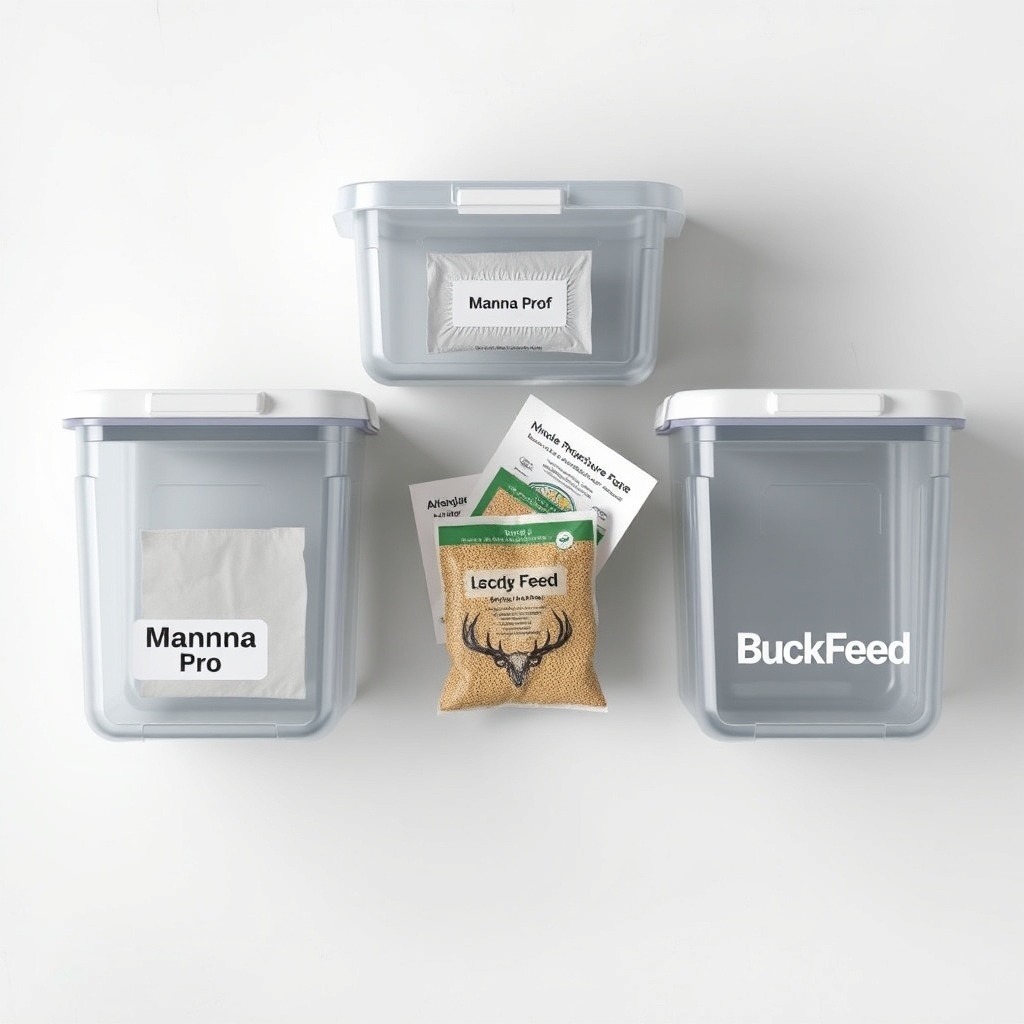
Food-grade plastic barrels or galvanized steel trash cans with gamma seal lids work best. Avoid containers that rust (like standard metal trash cans) or degrade in sunlight. For BuckFeed Deer Feed, consider using a container with a built-in desiccant holder for extra moisture control.
Does adding grain preservatives help prevent mold?
Yes, but only as a secondary measure. Products like propionic acid mold inhibitors can extend feed life, but they don’t replace proper storage. If you use such additives, always follow dosage instructions to avoid making the feed unpalatable.
How does humidity affect deer feed differently per brand?
Manna Pro Deer Feed is most vulnerable due to molasses content, spoiling in high humidity within days. Record Rack Deer Feed is more resilient but can still mold if humidity exceeds 70% for extended periods. BuckFeed Deer Feed has the best initial resistance, but its inhibitors expire after 6-8 weeks, after which humidity affects it similarly to other brands.
Is it safe to feed slightly clumped feed to deer?
No. Clumping is often the first sign of moisture infiltration and mold growth. Even if you don’t see mold, the clumps could contain hidden pathogens. Play it safe—discard any feed that shows clumping or texture changes.