Introduction: Why Timing Matters in Deer Nutrition
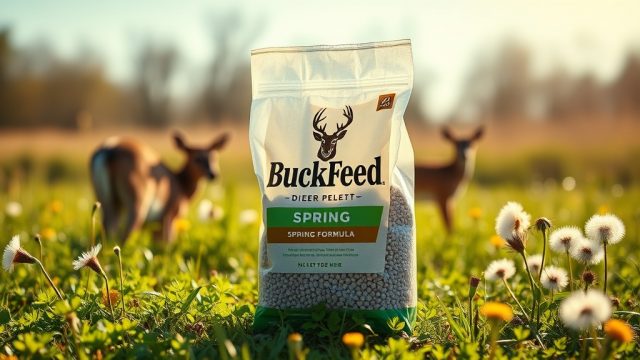
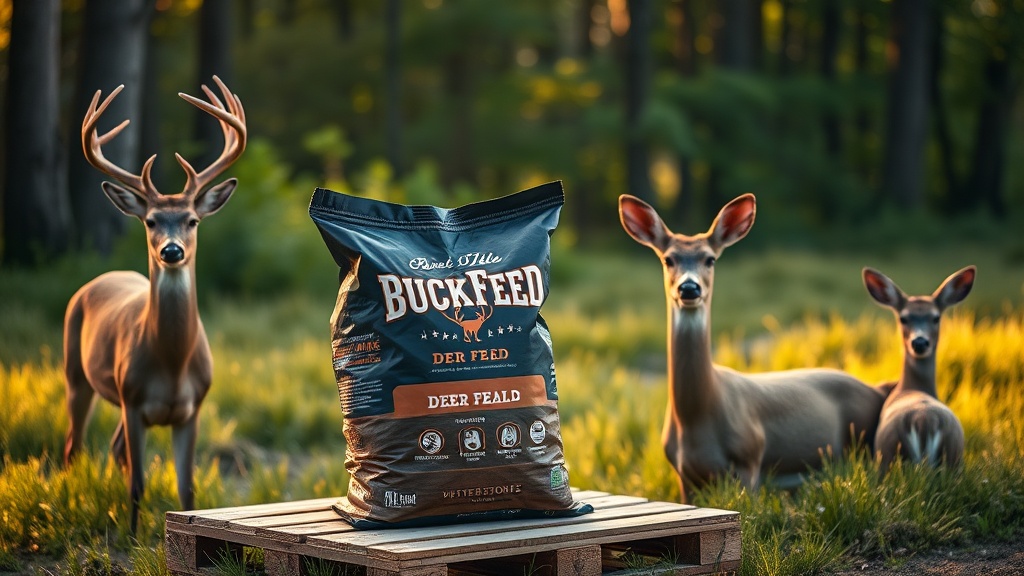
Deer are creatures of seasonal rhythm, their bodies shifting between survival, growth, and reproduction with each passing month. Feeding deer without understanding these seasonal demands often leads to wasted feed and missed opportunities for herd health. BuckFeed Deer Feed is engineered to align with these natural cycles, delivering targeted nutrition when deer need it most. This guide walks you through the critical timing of seasonal feeding, from spring fawn development to winter antler recovery, so you can maximize your investment and support a thriving herd.
What Makes BuckFeed Deer Feed Different Across Seasons?
Unlike generic deer feeds that rely on a one-formula-fits-all approach, BuckFeed Deer Feed formulates distinct blends for each season. The feed types and ingredients shift to address specific physiological needs. Spring blends emphasize high protein (18-22%) for antler growth and lactation, while winter formulas boost fat and fiber for energy conservation. Summer feeds incorporate minerals like calcium and phosphorus for fawn skeletal development, and fall mixes add carbohydrates for fat deposition before winter. This season-specific approach ensures deer receive exactly what their bodies demand, reducing waste and improving overall herd condition.
Each BuckFeed product line—whether the High Protein Formula, Winter Survival Blend, or Summer Growth Mix—is backed by nutritional research specific to white-tailed deer metabolism. The feed is pelleted to ensure uniform consumption and minimize sorting, a common issue with loose mixes. For a direct comparison with another popular brand, see our analysis of BuckFeed Deer Feed vs Manna Pro for fawn development.
How Should You Feed Deer in Spring for Optimal Antler Growth?
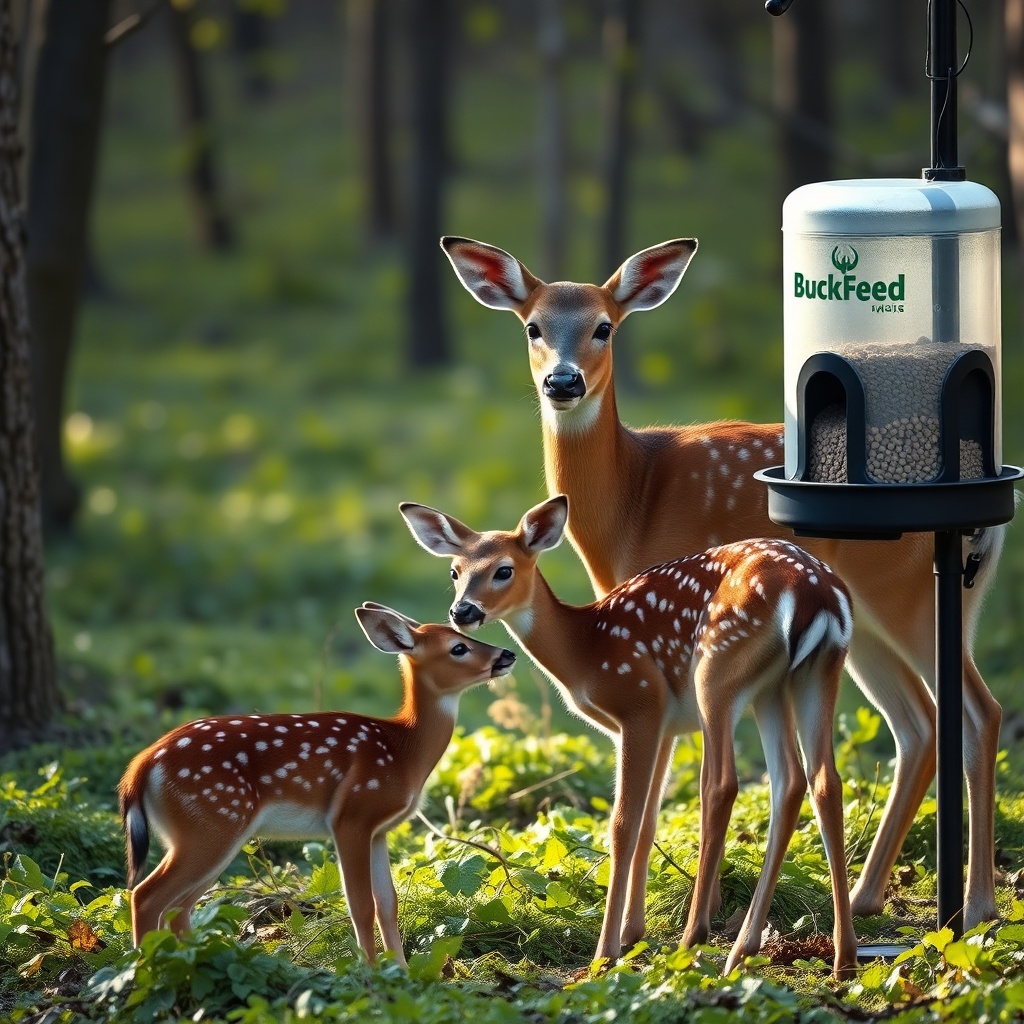
Spring is the most demanding season for whitetails. Bucks are growing antlers at a rate of up to 1.5 inches per week, and does are either pregnant or lactating. Protein intake must be 16-20% of daily diet to support rapid tissue growth. BuckFeed’s spring formula includes soybean meal, roasted corn, and a proprietary mineral pack with zinc and manganese to fuel antler mineralization. A feeder with 500 lbs capacity should be filled every 10-14 days for a herd of 15-20 deer, depending on consumption rates.
Place feeders near bedding areas but at least 100 yards from roads to minimize stress. Start feeding 3-4 weeks before expected antler drop to condition deer for the growth phase. Our high-protein formula is specifically designed for this window, offering 22% crude protein with added L-lysine and methionine. Monitor feeding sites for signs of overcompetition—if you spot aggressive behavior, add a second feeder to reduce pressure.
Spring Feeding Schedule
- Begin feeding: Late February to early March (southern zones) or mid-March (northern zones)
- Feed type: BuckFeed High Protein Formula (22% protein)
- Feeder fill frequency: Every 10-14 days for a standard gravity feeder
- Target consumption: 2-3 lbs per adult deer per day
- Supplement with mineral blocks for additional calcium
What Is the Best Summer Feeding Strategy for Fawn Health?
Summer heat stresses deer, and fawns are especially vulnerable to dehydration and nutritional deficiencies. BuckFeed’s Summer Growth Mix contains 18% protein with added electrolytes and probiotics to support digestive health. For fawns, the calcium-to-phosphorus ratio of 1.5:1 is critical for leg bone development. A comparison of feed types reveals how different products meet these needs.
| Nutrient | BuckFeed Summer Growth | BuckFeed Fall Transition | Generic Corn Mix |
|---|---|---|---|
| Crude Protein | 18% | 14% | 8-10% |
| Crude Fat | 4% | 6% | 3% |
| Calcium | 1.2% | 0.9% | 0.1% |
| Phosphorus | 0.8% | 0.6% | 0.3% |
| Vitamin E (IU/lb) | 50 | 35 | 5 |
| Price per 50-lb bag | $24.99 | $21.49 | $12.99 |
During extreme heat (above 90°F), feed consumption drops by 15-20%. Switch feeders to shaded locations and offer water sources nearby. Our summer feeding tips recommend feeding in early morning and late evening to align with natural deer activity patterns. For fawns, consider adding a starter pellet at a ratio of 1:3 with adult feed to reduce dominance issues at the feeder.
How Does Winter Feeding Differ from Other Seasons?
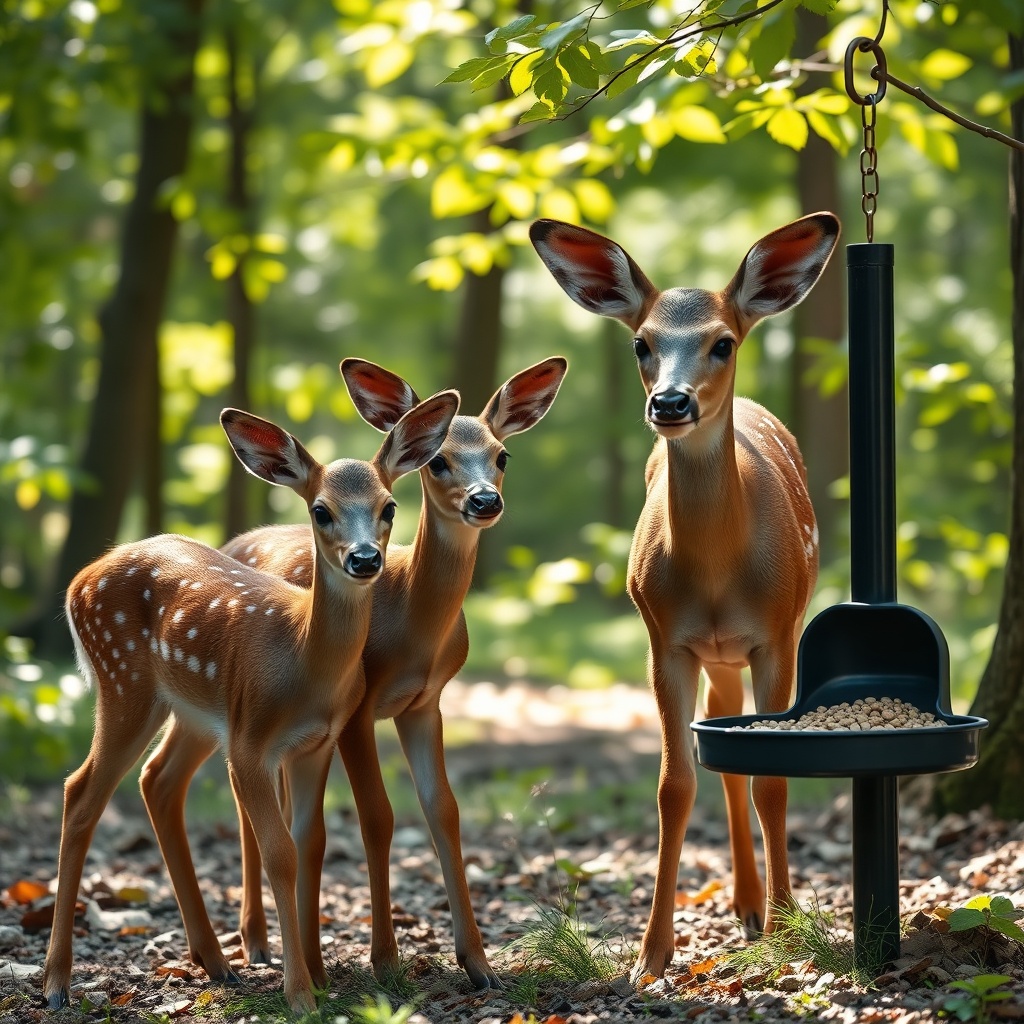
Winter is the survival season. Deer reduce activity by 50% and rely on fat stores and limited browse. BuckFeed Winter Survival Blend contains 16% protein but jumps to 8% fat (twice that of spring formulas) to provide concentrated energy. The feed includes dried molasses for palatability and yucca extract to reduce ammonia in urine—important when deer are confined near feeders. For a deeper dive, read our winter nutrition strategies.
Feed placement is critical in winter. Use south-facing slopes to maximize sun exposure and minimize snow accumulation. A typical 50-lb bag priced at $23.49 should feed 8-10 deer for 3-4 days if supplemented with native browse. Reduce feeding frequency to every 5-7 days if snow cover doesn’t impede access. If deer refuse the feed, check troubleshooting common issues—often, a slow transition from corn to pellets solves the rejection problem.
What Do Owners Say About BuckFeed Deer Feed?
“I switched to BuckFeed’s winter blend last January and saw a noticeable difference in antler retention through February,” says Mark T., a land manager in Wisconsin. “My bucks kept their racks a full two weeks longer than previous years.” Sarah L. from Texas notes, “The summer feed helped my fawns wean earlier and healthier. I lost zero fawns this year compared to two last season.” Jack R., a hunter in Pennsylvania, adds, “The price per bag seems high at $24.99, but the consumption rate is lower because deer don’t waste it. It’s actually cheaper in the long run.” A common theme in reviews is improved coat condition and increased activity near feeders, indicating better overall health.
Frequently Asked Questions
Is BuckFeed Deer Feed safe for fawns?
Yes, but fawns under 3 months should transition gradually from milk to BuckFeed Fawn Starter, which has 20% protein and added probiotics. Introduce at a 1:4 ratio with water for the first week.
How often should I fill a BuckFeed feeder?
For a gravity feeder holding 300 lbs, fill every 10-14 days in spring/summer and every 5-7 days in winter. Adjust based on consumption—if feed sits untouched after 3 days, move the feeder to a new location.
Can I mix BuckFeed with corn?
Yes, but to avoid digestive upset, do a 7-day transition: start at 25% BuckFeed / 75% corn, then increase by 25% each week. Deer prefer the pellets once accustomed to the taste.
Does BuckFeed expire?
Unopened bags last 12 months if stored in cool, dry conditions (below 80°F). Opened bags should be used within 3 months to prevent mold. Test for freshness by smelling—rancid odor indicates fat oxidation.
How do I stop deer from wasting feed?
Use a feeder with adjustable flow settings and a catch pan. BuckFeed pellets are less prone to sorting than loose corn. If waste persists, reduce fill levels by 25% and increase feed frequency.
Is BuckFeed suitable for non-deer wildlife?
Yes, squirrels and turkeys will eat BuckFeed, but it’s not formulated for them. To discourage non-target species, use a gravity feeder with weight-sensitive mechanisms or place feeders in open areas.