Record Rack Deer Feed Ingredient Analysis: What’s Inside the Bag?
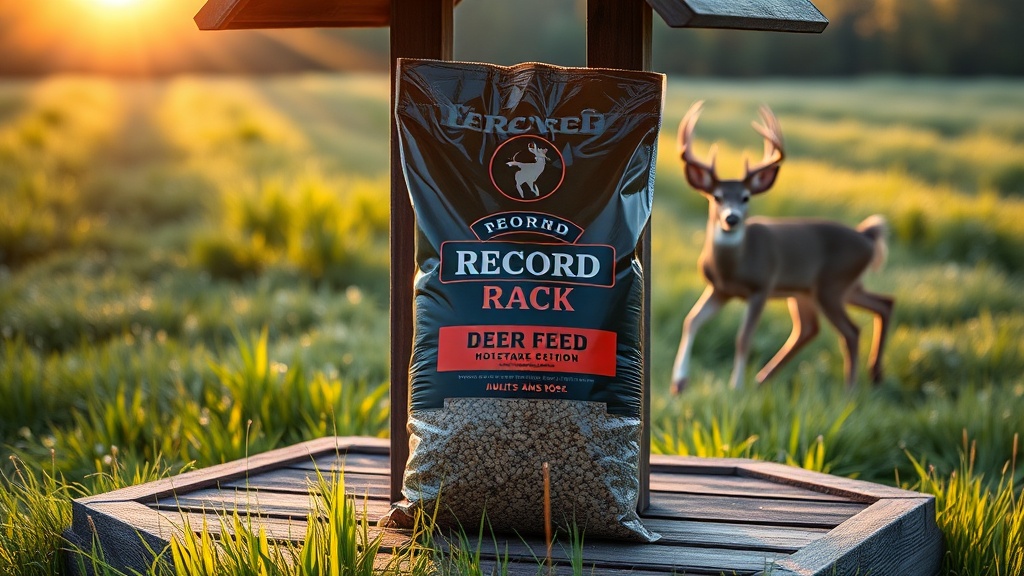
Record Rack Deer Feed has become a staple for serious deer managers aiming to maximize antler potential, but understanding its ingredient breakdown is key to making informed choices. This analysis dissects the nutritional makeup behind the bag, revealing how each component contributes to antler growth and overall herd health. From protein sources to mineral fortification, every element plays a role in the development of trophy racks.
What Are the Primary Protein Sources in Record Rack Deer Feed?
Record Rack relies on a blend of high-quality protein sources to support muscle and antler tissue development. The primary protein base comes from soybean meal, which offers a balanced amino acid profile rich in lysine and methionine—critical for antler growth. Additionally, distillers dried grains and corn gluten meal supplement the formula, providing a slower-release protein that sustains body condition during the rut. This combination ensures a protein content of around 18% to 20%, depending on the specific product line, which is ideal for bucks in peak antler development phases.
Notably, the feed avoids low-quality fillers like cottonseed hulls or peanut skins, which can reduce digestibility. Instead, it utilizes processed soybean hulls as a fiber source, improving gut health without diluting nutrient density. For a deeper look at how these proteins impact antler growth, see our Record Rack Deer Feed Nutrition Breakdown: Boosting Antler Growth.
How Does the Mineral and Vitamin Profile Support Antler Development?
Antler growth demands significant mineral inputs, and Record Rack addresses this with a targeted blend of macro and trace minerals. Calcium and phosphorus are supplied in a 1:1.5 ratio, which is proven to enhance bone density and antler calcification. Each serving provides approximately 2.2% calcium and 1.5% phosphorus, derived from dicalcium phosphate and calcium carbonate. Zinc, at 200 ppm, promotes protein synthesis and cell division in growing antler tissue, while copper at 20 ppm aids collagen formation and blood cell production.
The vitamin profile includes elevated levels of vitamin E (100 IU/lb) as a powerful antioxidant, reducing oxidative stress during the high-energy growing season. Vitamin D3 is added at 1,000 IU/lb to improve phosphorus absorption, and B-complex vitamins supplement digestion and metabolism. This balance is designed to work synergistically with natural forage, filling nutritional gaps without over-supplementing.
What Is the Carbohydrate and Fiber Composition?
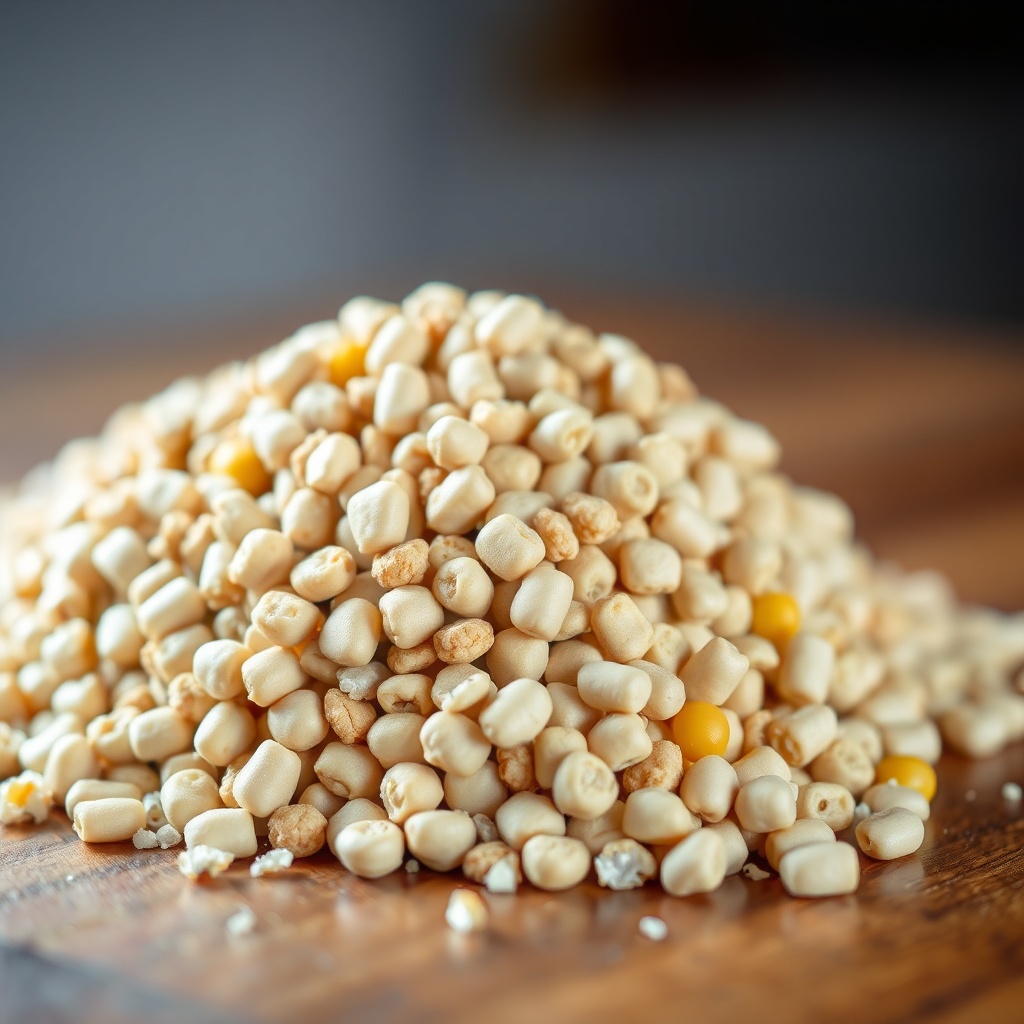
Carbohydrates in Record Rack come primarily from cracked corn and steam-flaked barley, providing a moderate energy release that sustains activity without causing rapid blood sugar spikes. The crude fiber content sits at 8% to 10%, sourced from beet pulp and soybean hulls, which encourages rumen motility and fiber digestion. Unlike some competitors, Record Rack avoids high-starch ingredients like milled rice, reducing the risk of acidosis in free-feeding scenarios.
The total digestible nutrients (TDN) are calculated at 75%, meaning 75% of the feed’s material is available for energy metabolism—ideal for lactating does and growing fawns. This fiber balance also supports weight maintenance during winter stress. For seasonal adjustments to this feeding strategy, refer to our Record Rack Deer Feed: Best Seasonal Feeding Schedule for Maximum Antler Growth.
How Does Record Rack Compare to Other Deer Feeds in Ingredient Quality?
To help you evaluate Recrack Rack’s position in the market, here is a comparison table highlighting key ingredient attributes against a typical basal deer feed:
| Ingredient Attribute | Record Rack Deer Feed | Standard Low-Cost Feed |
|---|---|---|
| Crude Protein | 18-20% | 12-14% |
| Primary Protein Source | Soybean meal, distillers grains | Cottonseed meal, peanut hulls |
| Calcium:Phosphorus Ratio | 1:1.5 | Variable, often 1:1 |
| Zinc Content (ppm) | 200 | 50-80 |
| Vitamin E (IU/lb) | 100 | 25-50 |
| Crude Fiber | 8-10% | 12-18% |
| Molasses Content | 5% (for palatability) | 10-15% (can cause waste) |
| Digestible Energy (Mcal/lb) | 1.5 | 1.2 |
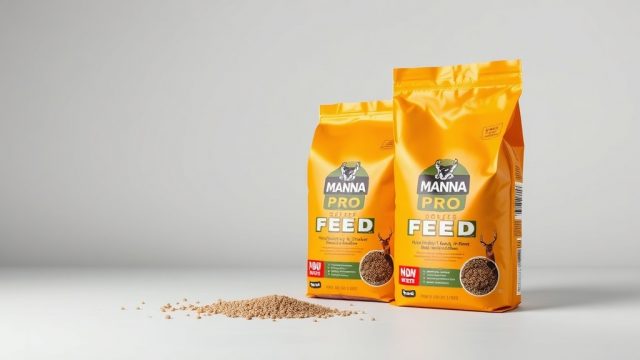
As the table shows, Record Rack prioritizes high-digestibility ingredients and balanced minerals over cheap fillers. For a head-to-head against a top competitor, read our Record Rack vs Manna Pro Deer Feed: An In-Depth Ingredient Comparison for Antler Growth.
Are There Any Preservatives or Additives to Note?
Record Rack uses a mix of natural and synthetic preservatives to maintain freshness without compromising animal health. Ethoxyquin, a common antioxidant, is included at FDA-approved levels to prevent fat rancidity in the bag. For those seeking a naturally preserved option, the company also offers a “Non-GMO” line, which relies on rosemary extract and vitamin E as natural antioxidant alternatives. No artificial flavors or coloring agents are added, ensuring palatability comes from the natural corn and molasses profiles.
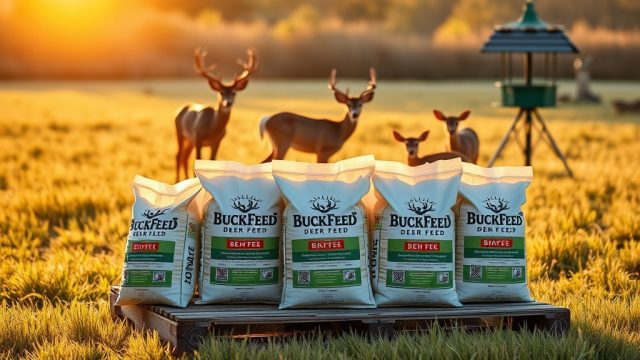
Mold inhibitors like propionic acid are drizzled on the feed during processing, protecting it from mycotoxin formation in humid conditions. However, for best results, store bags in a cool, dry place and use within 60 days of opening. For direct comparisons, see our Record Rack Deer Feed vs BuckFeed: Which Boosts Antler Growth Faster? to evaluate additive differences.
What Owners Say About Record Rack Deer Feed
Feedback from deer managers who regularly use Record Rack consistently highlights improved antler size and coat condition within 6 to 8 weeks of feeding. Many report antler beam diameters increasing by 5% to 10% over the previous season, with noticeable visibility of tine length. Some users in northern climates appreciate the feed’s resilience to freezing temperatures without clumping. Negative feedback is rare but occasionally mentions the price point, which is about $18 to $22 per 50-pound bag in regions like Texas and the Southeast. Overall, most owners consider the ingredient quality justifies the cost, especially when compared to basic field corn or low-grade pellets.
Frequently Asked Questions
1. Can Record Rack Deer Feed be fed to fawns?
Yes, it is suitable for fawns older than 4 weeks when introduced gradually. The protein level supports growth without overloading their digestive systems.
2. How much should I feed per buck daily?
During peak antler growth (May to August), feed 2 to 3 pounds per adult buck per day, supplemented with high-quality forage.
3. Is the feed medicated with antibiotics?
No, Record Rack does not contain antibiotics or growth hormones. It relies on nutritional fortification only.
4. Does it attract other wildlife like hogs or turkeys?
Yes, the molasses content can attract wild pigs and turkeys. Use a gravity feeder with a timer to reduce unwanted access.
5. What is the shelf life of an unopened bag?
When stored in a cool, dry place, unopened bags last up to 12 months from the manufacturing date printed on the bag.
6. Can I mix it with whole corn to save money?
Mixing is not recommended, as it dilutes the balanced protein and mineral profile. If needed, limit added whole corn to no more than 10% of the total diet.