Record Rack Deer Feed: Best Seasonal Feeding Schedule for Maximum Antler Growth
For whitetail deer managers aiming to boost antler size, timing is as critical as feed quality. Record Rack Deer Feed delivers a precise 20% protein, 1.5% calcium, and 0.8% phosphorus blend specifically engineered for antler development. This article breaks down a practical, season-by-season schedule to help you get the most from your supplement program without wasting time or money.
Why Does Seasonal Timing Matter for Record Rack Deer Feed?
Deer antler growth is a high-speed biological event. From April through August, a buck can add 2 to 4 inches of bone per week, demanding massive protein and minerals. Record Rack’s formula targets this window with high-lysine protein and balanced minerals. Feeding too early in winter wastes feed because digestion shifts to lower-energy needs. Feeding too late misses the critical growth phase. A seasonal schedule matches your input with the deer’s natural physiological calendar.
Antlers are 70–80% calcium and phosphorus, and Record Rack provides both in a 1.8:1 ratio, which is close to the ideal 2:1 for bone deposition. Outside the growth window, deer prioritize body condition and fawn rearing, so feeding the same high-protein mix off-season can create nutritional imbalances and attract unnecessary competition to your site.
What’s the Best Spring Feeding Schedule for Antler Growth?
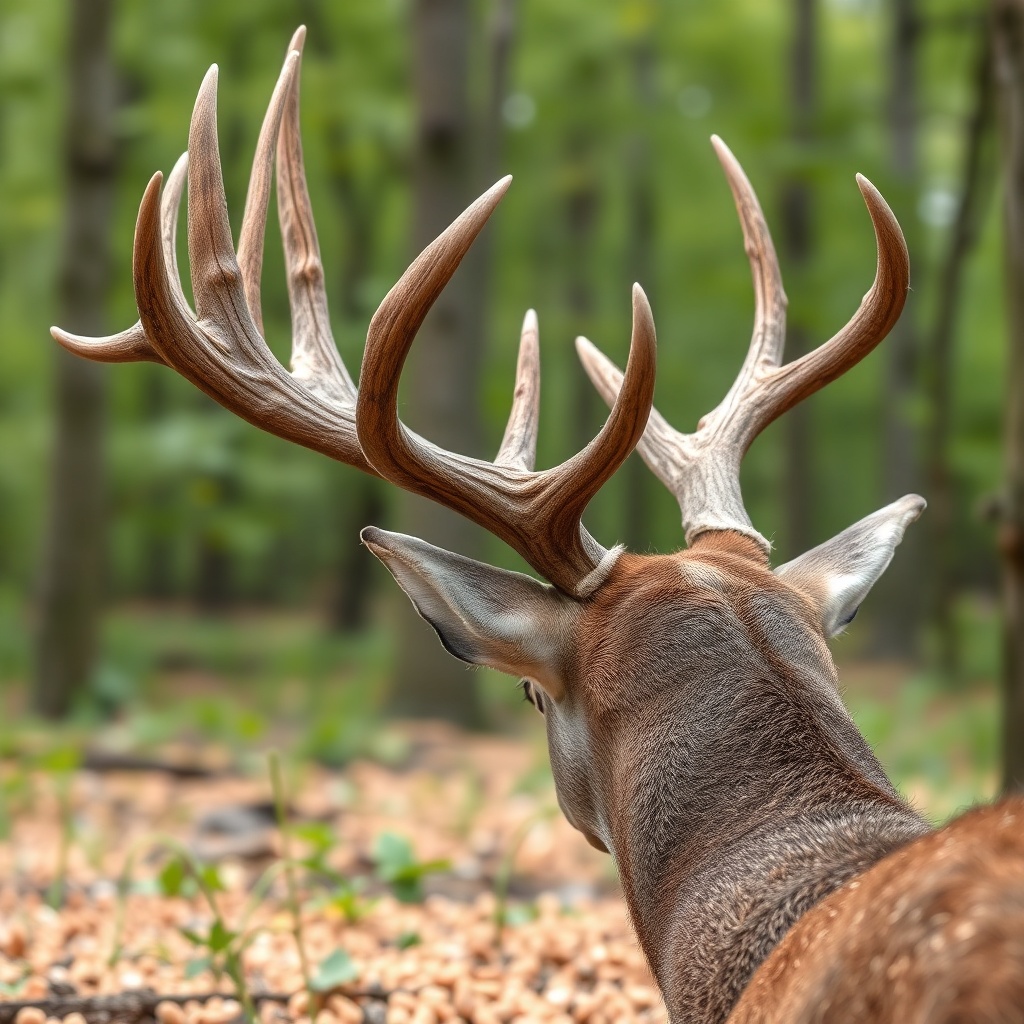
Spring is the starting gun for antler development. Begin feeding Record Rack Deer Feed as soon as snow melts and green-up starts—usually mid-March to early April depending on your region. Start with 1.5 to 2 pounds per deer per day in a free-choice protein feeder. If you have 20 deer visiting, that means about 30–40 pounds of feed daily.
Key spring components:
- March to May: Record Rack 20% protein formula, offered free-choice.
- Mineral boost: Add Record Rack mineral blocks nearby for calcium and phosphorus.
- Feeder placement: Position near bedding areas with southern exposure to warm early sun.
- Monitor consumption: Track bait pile disappearance; if feed sits uneaten for 3 days, reduce volume.
This schedule aligns with antler initiation. Testosterone levels rise, and bucks begin velvet growth. Record Rack’s high lysine (first limiting amino acid for antler growth) helps maximize velvet mass.
How Should You Adjust Summer Feeding for Late Velvet and Hardening?
Summer (June through August) is the peak antler growth phase. Feed volume typically doubles. Increase to 3–4 pounds per deer per day. Record Rack recommends maintaining the same formula because the protein and mineral ratios are already optimized. Do not switch to lower-protein “maintenance” feed during summer—that mistake costs inches at the end of the season.
During this period:
- Daily consumption: Expect 3.5–4.0 lbs/deer for mature bucks, slightly less for does.
- Water access: Ensure protein sources are within 400 yards of reliable water for proper digestion.
- Avoid additives: Do not mix in additional calcium supplements; Record Rack’s ratio is already balanced. Over-supplementing can lead to phosphorus deficiencies.
- Monitor heat spoilage: In high humidity, empty and dry feeders weekly to prevent mold. Record Rack contains a mild antioxidant preservative, but it’s not foolproof in 95°F heat.
A common mistake is reducing feed in July because “antlers look big enough.” Antler growth continues through mid-August, and late-season nutrition adds 5–10% more mass and length. Stick with the plan until at least August 15.
When Do You Transition to Fall Feed for Rut Preparation?
By late August to early September, antlers harden and bucks shift focus to sparring and breeding. Protein requirements drop because bone growth stops. Record Rack 20% formula is still fine, but cut volume to 2 lbs/deer/day. This prevents overfeeding and reduces feeder shyness before hunting season.
Transition schedule:
- Late August: Reduce feed volume by 1/3. Continue same formula.
- September–October: Switch to a mix of Record Rack 20% protein pellets and whole corn if you want to acclimate deer to natural food sources. But do not replace protein entirely—bucks need energy for rut.
- November (rut peak): Buck feed consumption often drops by half, as they focus on does. Do not stop feeding; maintain 1 lb/deer/day as a resource for does and velvet recoveries.
- Post-rut: Resume 2 lbs/deer/day from December through February for winter body condition, but avoid forcing antler growth formulas too aggressively—it can stress fat deposits.
Record Rack’s pellet size (5/16 inch) works well in all standard protein feeders. The transition from summer to fall should be gradual over 10 days to avoid digestive upset.
What Does a Proper Winter Feeding Strategy Look Like?
Winter feeding is not about antlers—it’s about survival. Record Rack provides balanced nutrition for winter weight maintenance and fawn viability. Use the same 20% protein formula but reduce to 1–1.5 lbs/deer/day. Do not feed heavy protein loads in deep snow because deer’s digestive systems slow down; too much protein can cause acidosis.
Winter guidelines:
- December–February: Offer 1–1.5 lbs of Record Rack per deer daily, plus free-choice hay or natural browse.
- Energy density: Record Rack’s fat content (5%) is adequate for cold-weather metabolism; no need to add corn unless you’re dealing with extreme cold below -10°F for more than 48 hours.
- Feeder maintenance: Clear snow accumulations from feeder lids and spouts. Record Rack pellets resist caking better than many brands, but they still need dry storage.
Winter feeding can also keep deer from wandering onto roads or neighbors’ properties if natural forage is scarce. Start winter feeding only after peak deer activity and body condition monitoring show a need—usually late December in most northern zones.
Record Rack Deer Feed Seasonal Feeding Schedule Summary
| Season | Feeding Recommendation |
|---|---|
| Spring (March–May) | 1.5–2 lbs/deer/day; start at green-up; free-choice 20% protein formula. |
| Summer (June–August) | 3–4 lbs/deer/day; maintain same formula; monitor spoilage. |
| Late Summer (Late Aug–Sept) | Reduce to 2 lbs/deer/day; switch to mix if desired. |
| Fall (October–November) | 1 lb/deer/day during rut; continue protein for does. |
| Winter (December–February) | 1–1.5 lbs/deer/day; monitor body condition; add natural forage. |
Note: Adjust all volumes by 20% based on deer density at your site. Overfeeding in any season attracts non-target species (raccoons, feral hogs) and can waste $50–100 per month worth of feed.
What Owners Say About Seasonal Feeding with Record Rack
Land managers consistently report two key takeaways. First, users who follow the summer-to-winter transition notice fewer weight drops in bucks during rut. Second, several owners mentioned that cutting feed too early in August cost them 10–15% in antler mass in the first year—they corrected it the following season by sticking with summer volumes until August 20.
One user from Pennsylvania switched from a generic 16% protein feed to Record Rack’s 20% formula and observed a measurable difference in antler tine thickness within one antler cycle. Another owner in Texas noted that winter feeding at 1.5 lbs/deer/day helped local does produce healthier fawns in the spring, while not creating massive bait piles that attract poachers.
Overall, owners emphasize that consistency is more important than massive feed volumes. Missing two weeks during peak growth can drop antler scores by 5–10 inches on mature bucks, according to several three-year+ users.
Frequently Asked Questions
1. Can I feed Record Rack year-round on the same schedule?
Yes, but you should adjust volumes by season. Consistent protein supply helps all ages, but overfeeding in winter can stress digestion and waste money. Follow the schedule above.
2. How do I avoid spoilage in hot summer weather?
Use a free-choice protein feeder with a protective roof. Empty and dry the feeder bowl every 7 days. Store Record Rack bags in a cool, dry area (below 80°F if possible).
3. Will feeding Record Rack attract nuisance animals?
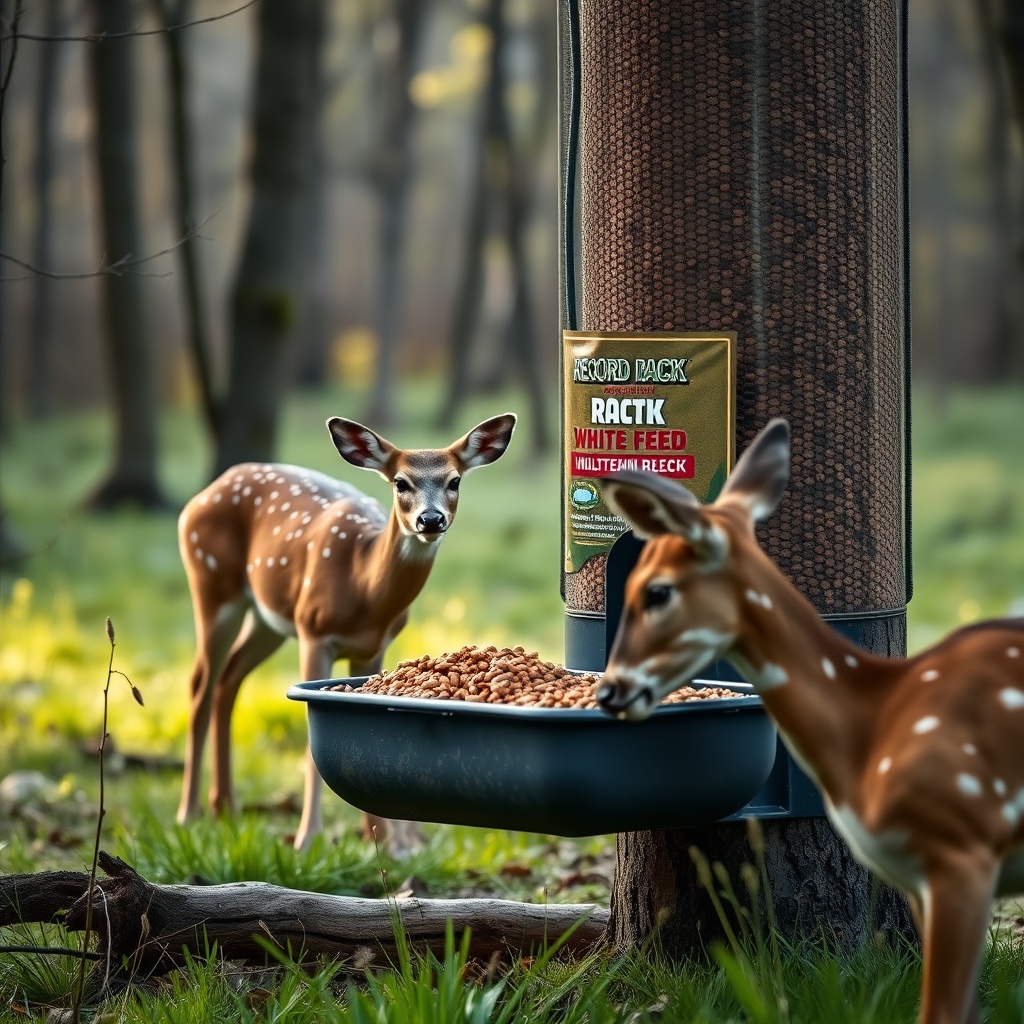
Any protein feed will attract raccoons, hogs, and birds. Use gravity feeders with adjustable plates set to deer-only height (36 inches off ground). Record Rack’s scent profile is less attractive to hogs than corn-based feeds.
4. How long does it take to see antler improvement after switching to Record Rack?
Most users notice thicker tines and slightly longer beams in the first antler cycle, but full impact is visible after two years of consistent seasonal feeding. Young bucks (2–3 years) show the biggest response.
5. Should I stop feeding during hunting season to avoid baiting legal issues?
Check local regulations—some states prohibit baiting for hunting. In jurisdictions where baiting is legal, continue feeding at 1 lb/deer/day to keep deer on your property but not concentrated at feeders.
6. Can I mix Record Rack with other feeds like corn or soybeans?
Mixing with corn can reduce protein percentage. If you need to stretch the feed, mix with roasted soybeans or high-protein pellets. Avoid mixing with high-starch sources that can cause bloat.