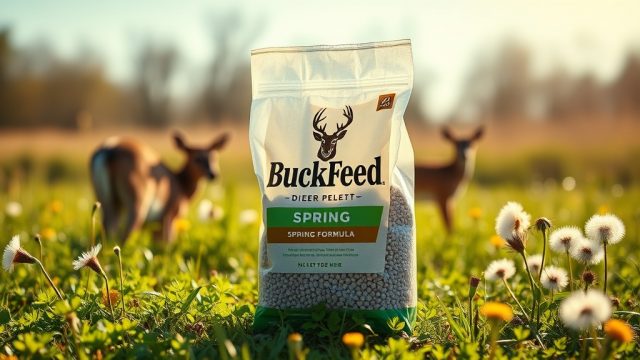

Why Summer Formula Deer Feed Matters for Antler Development
When the mercury rises, whitetail bucks shift into a critical phase of antler growth that demands precise nutrition. Manna Pro Deer Feed Summer Formula is specifically engineered to support this rapid bone development during hot weather, when deer naturally reduce feed intake. This article explores how this specialized ration delivers the protein, calcium, and phosphorus needed for maximum antler potential, even when temperatures climb above 85°F.
What Makes the Manna Pro Deer Feed Summer Formula Different from Standard Deer Feed?
The summer formula from Manna Pro is not simply a repackaged version of their winter ration. It contains a distinctly higher crude protein level—typically 18% to 20%—which supports the muscle and bone tissue formation that peaks from June through August. The calcium-to-phosphorus ratio is also adjusted to 1.5:1 to 2:1, which is the ideal range for antler mineralization. Standard maintenance feeds often contain 12% to 14% protein with a less precise mineral balance.
Key differences include:
- Higher bypass protein: More protein escapes the rumen for direct absorption in the small intestine, which is crucial when heat reduces overall intake.
- Added chelated minerals: Zinc, copper, and manganese are bonded to amino acids for better bioavailability during stressful summer conditions.
- Pellet size and density: The 3/16-inch pellet minimizes fines and reduces dust, which can discourage feeding in dry, dusty environments.
- Fat content: Approximately 4% to 5% fat provides concentrated energy without generating excess heat from digestion.
For a deeper look at what each ingredient contributes, refer to the Manna Pro Deer Feed Ingredient Analysis: What’s Inside the Bag?
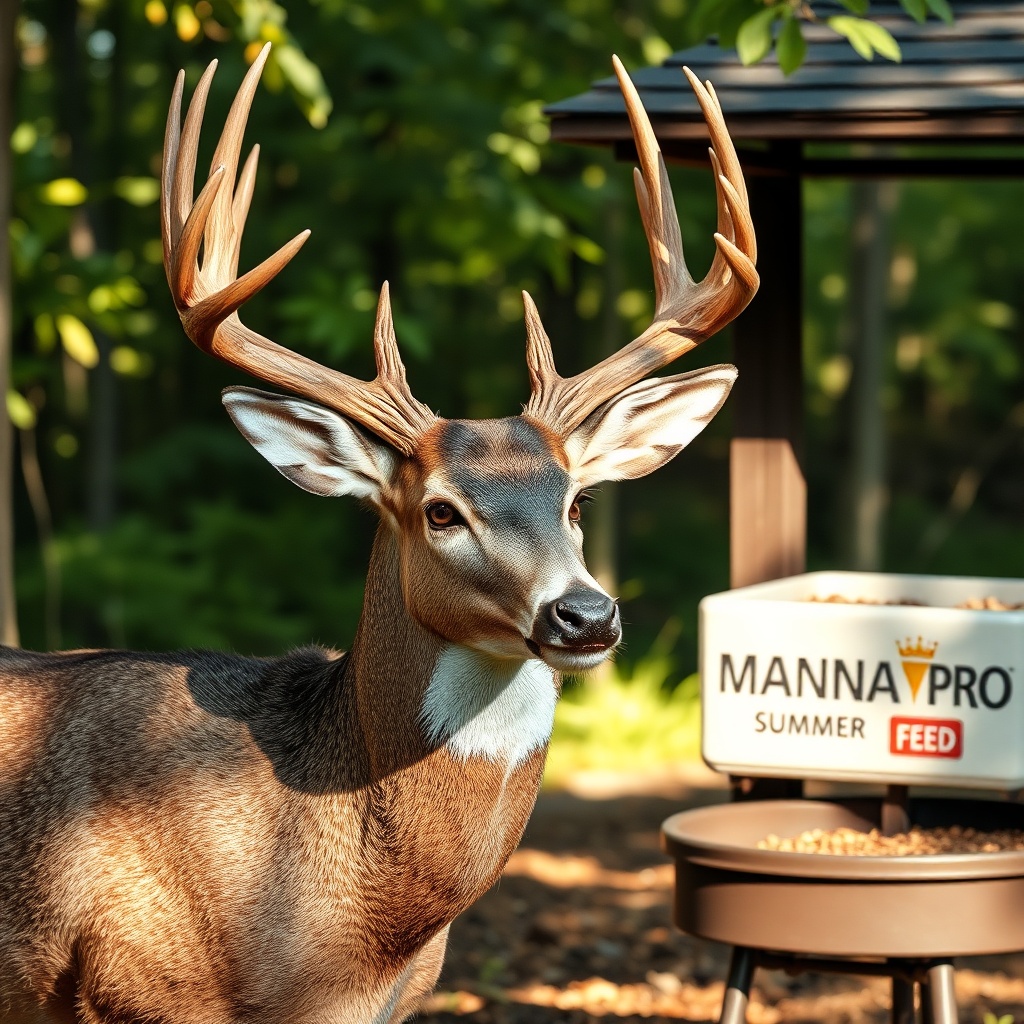
How Does the Summer Formula Support Antler Growth Specifically?
Antler tissue is the fastest-growing bone in the animal kingdom, requiring a continuous supply of calcium, phosphorus, and trace minerals. The Manna Pro Summer Formula delivers these in forms that bypass the rumen’s microbial fermentation, ensuring the antler velvet receives what it needs without competition from gut bacteria.
Critical micronutrients in this formula include:
- Calcium (1.0%–1.2%): The primary building block of antler mineral matrix.
- Phosphorus (0.6%–0.8%): Works in tandem with calcium for hydroxyapatite crystals that give antlers hardness.
- Zinc (120–150 ppm): Crucial for velvet growth and the mineralization phase.
- Manganese (60–80 ppm): Supports cartilage formation in the antler base.
- Copper (10–20 ppm): Essential for melanin production, which darkens antler color.
Compare these levels with the broader profile in the Manna Pro Deer Feed Micronutrient Analysis: Key Minerals for Antler Growth.
What Is the Best Feeding Strategy for Hot Weather with Manna Pro Summer Formula?
Deer alter their feeding behavior when temperatures exceed 80°F, often feeding primarily at dawn and dusk. The feeding strategy must adapt to this pattern to maximize consumption of the summer formula.
| Factor | Recommendation |
|---|---|
| Feeding times | 6:00–8:00 AM and 5:00–7:00 PM (local daylight) |
| Daily amount per deer | 1–2 lbs (0.45–0.9 kg) per adult buck |
| Feeder placement | Shaded, north-facing slopes with water within 200 yards |
| Water availability | Provide fresh water within 15 feet of feeder if possible |
| Feed freshness | Remove any uneaten feed after 48 hours in high humidity |
| Supplementation | Do not mix with high-carbohydrate grains (corn, oats) |
Timing is critical because rumen temperature rises during digestion. Feeding during cooler hours reduces the thermic effect and encourages intake. The summer formula’s fat content also helps because fat generates less metabolic heat per calorie than carbohydrates do.
For equipment that works best with this feed, see the Manna Pro Deer Feed vs Record Rack Deer Feed: Feeding Equipment Comparison.
How Much Summer Formula Should I Offer per Buck per Week?
A mature buck in peak antler growth (mid-June through mid-August) can consume between 7 and 14 pounds of Manna Pro Summer Formula per week, depending on body weight, antler size, and natural forage quality. The general recommendation is to start at the lower end and adjust upward if the feeder empties within 36 hours.
For a property with 10 bucks, a 50-pound bag at $22.99 USD (typical retail price) will last approximately 5–7 days if fed as the sole supplement. That equates to about $3.28–$4.60 per buck per week. Compared to free-choice corn at roughly $0.10 per pound, the cost is higher, but the nutritional density justifies the investment for antler-focused management.
Important note: Introducing this feed too rapidly can cause rumen upset. Transition over 7–10 days by mixing 25% summer formula with 75% current feed, then increasing by 25% every 3 days.
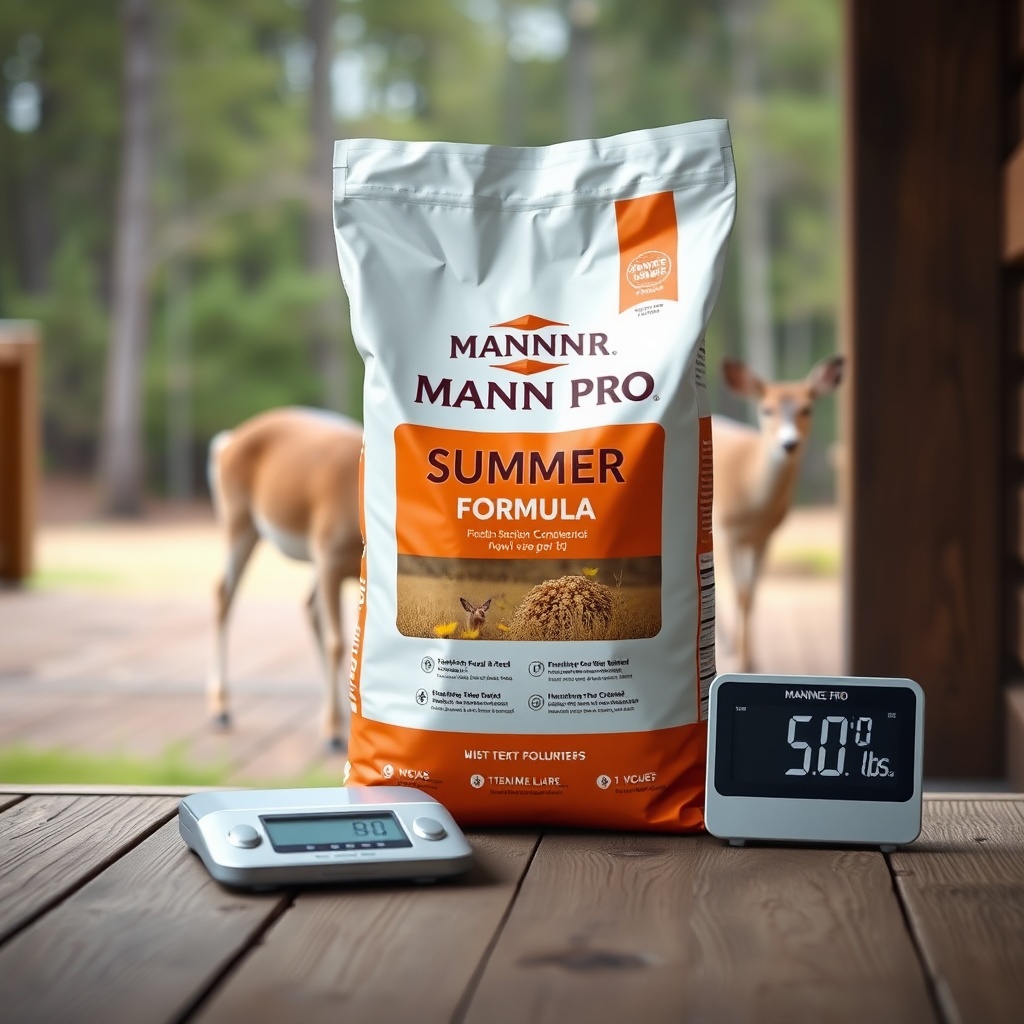
What Owners Say About the Summer Formula’s Performance
Land managers and deer breeders who have used Manna Pro Summer Formula for at least one full season report noticeable improvements in antler mass and tine length from June to August. Many note that deer continue to use the feeder consistently even during July heat waves, which is uncommon with higher-starch feeds.
One property manager in central Texas reported that eight bucks on the program averaged 12.5% greater antler weight by late August compared to the previous year on a standard 16% deer feed. A breeder in Ohio observed that yearling bucks achieved 4 to 6 additional tine points when the summer formula was offered free-choice from June 1 through September 1.
Common feedback includes:
- Reduced fines: Less dust and crumbles at the bottom of the feeder than with some competing brands.
- Improved coat condition: Deeper reddish summer coats and fewer hair loss patches.
- Feeder acceptance: Bucks often begin using the feeder within 2–4 days, even in areas with heavy natural browse.
- Cost versus results: Most owners find the $22–$25 per 50-pound bag justified for the antler improvements seen.
For a full pros-and-cons analysis before purchasing, read the Manna Pro Deer Feed Buying Guide: Benefits, Drawbacks, and What to Consider.
Frequently Asked Questions
- Can I feed Manna Pro Summer Formula to does and fawns? Yes, it is safe for all ages and sexes of white-tailed deer. However, lactating does may benefit from a higher calcium formulation in late summer. Adjust amounts for smaller deer: 0.5–1 lb per doe or fawn per day.
- Does this feed attract bears or other wildlife? The high protein and fat content can attract bears, raccoons, and turkeys. Use a bear-resistant feeder in areas with black bear populations. The formula does not have added attractants, but its nutritional density is appealing to many animals.
- Is the Summer Formula suitable for fall use? It is formulated for June through September. For October through January, switch to a lower-protein (16%–18%), higher-energy fall/winter formula that supports fat storage and antler shedding.
- How long does an unopened bag stay fresh? When stored in a cool, dry location (below 75°F, humidity under 60%), the feed remains palatable for up to 6 months from the manufacture date. Opened bags should be used within 30 days or stored in an airtight container to prevent moisture absorption.
- Does the Summer Formula contain any corn? Yes, corn is included as a carbohydrate source, but it is not the primary ingredient. The formula uses a blend of corn, soybean meal, wheat middlings, and distiller’s grains. The corn content is lower than in standard sweet feeds.
- Can I supplement with mineral blocks while feeding Summer Formula? It is not necessary, as the formula already contains balanced chelated minerals. Adding a salt-based mineral block may reduce consumption of the feed. If deer have a known trace mineral deficiency, consult a wildlife nutritionist first.