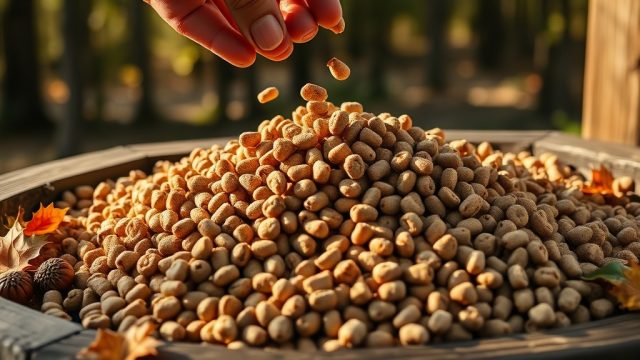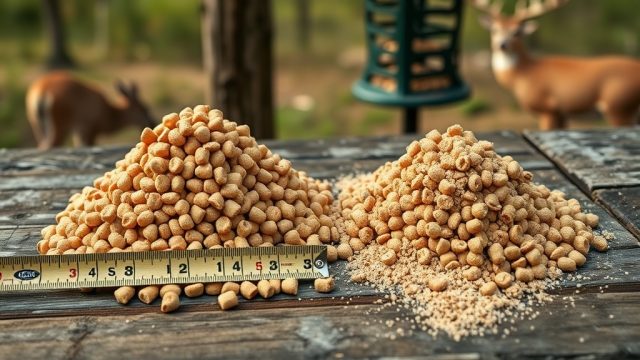

How Does BuckFeed Deer Feed Complement Natural Forage for Year-Round Nutrition?
BuckFeed Deer Feed stands as a strategically formulated supplement designed to bridge nutritional gaps in white-tailed deer diets, rather than replace natural browse. This approach recognizes that even the healthiest woodlots and fields fluctuate in nutrient availability across seasons. By integrating BuckFeed with local forage, land managers can create a more consistent nutritional plane that supports everything from fawn survival to trophy antler development. The key lies in understanding how this feed’s protein, mineral, and energy profiles interact with whatever your deer are naturally finding in your specific region.
Deer are opportunistic feeders, but their digestive systems—especially the rumen—require gradual transitions when new food sources are introduced. BuckFeed’s high-quality ingredients, such as roasted soybeans, corn, and molasses, provide rapid energy and amino acids that local browse often lacks during stress periods like late winter or summer heat. When paired with native forbs, mast crops (acorns, beechnuts), and woody browse, BuckFeed helps maintain a balanced crude protein level (typically 18-20%) without overwhelming the rumen’s microbial population. This synergy keeps deer healthy and reduces the risk of acidosis or feed aversion.
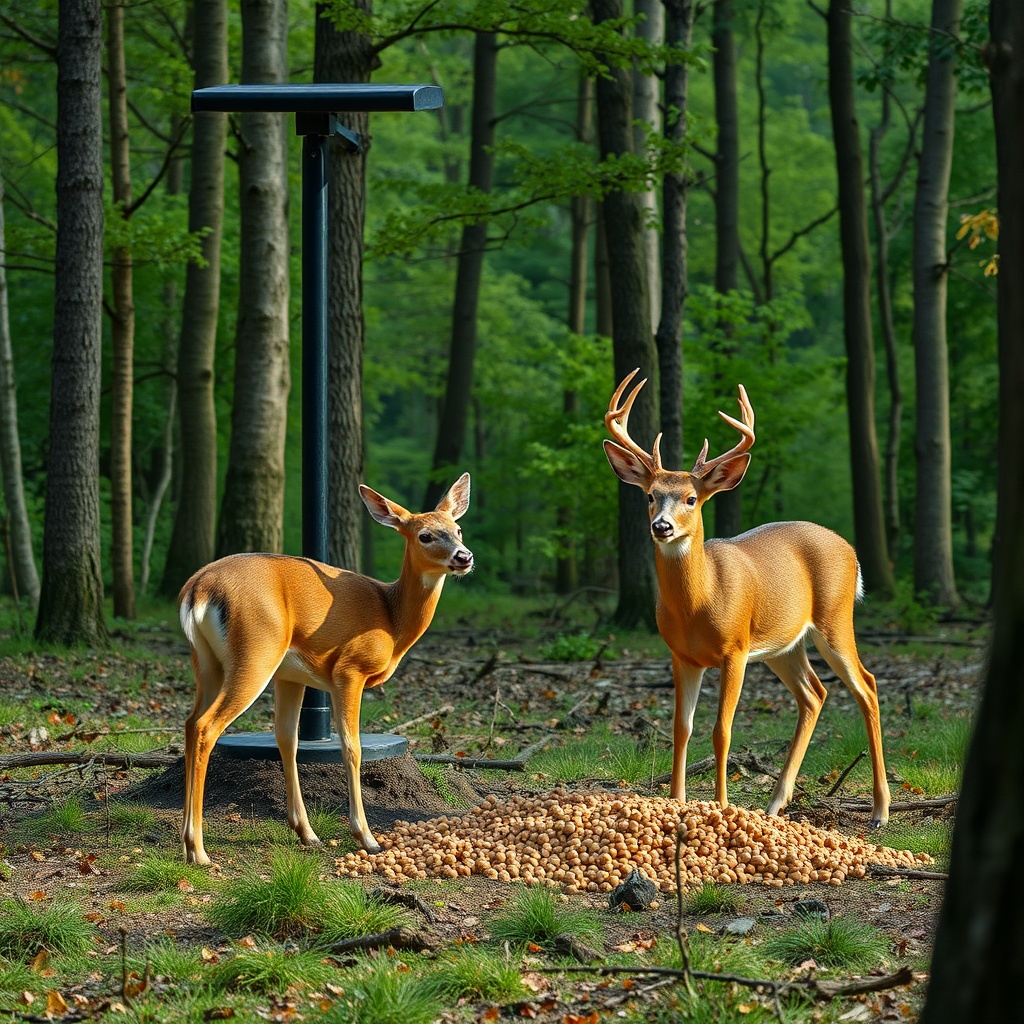
What Feeding Equipment Methods Work Best with BuckFeed Deer Feed?
Selecting the right feeding system for BuckFeed depends heavily on your land size, deer density, and management goals. Below is a comparison table of the most effective equipment methods, including cost estimates in US dollars (USD) and capacity considerations.
| Equipment Type | Best For | Typical Capacity | Cost Range (USD) | Key Benefit |
|---|---|---|---|---|
| Gravity-Feed Trough (e.g., Moultrie 30-Gallon) | Small properties (5-20 acres), supplemental feeding near bedding areas | 30-50 lbs | $40-$80 | Simple, no power needed; allows deer to feed at ground level |
| Spin-Cast Feeder (e.g., Moultrie Pro Series, 12V timer) | Larger properties (20+ acres), seed/corn distribution | 225-400 lbs | $120-$250 | Controlled portioning minimizes waste; broadcasts feed over 30-50 ft. |
| Double-Head Gravity Feeder (e.g., Boss Buck 200 lbs) | Medium properties, year-round use for antler growth | 150-200 lbs | $150-$300 | Reduces raccoon/possum access; holds large volumes |
| Protein Feeder (e.g., Lamco 1200 lbs) | High-density deer herds, targeted protein supplementation | 500-1500 lbs | $400-$1,200 | Free-choice access; weather-resistant; minimal fill frequency |
| Hand-Spreading/DIY Buckets | Small plots, emergency supplemental feeding | N/A | $5-$20 | No equipment cost; direct placement near trails |
For most situations, a spin-cast feeder with a programmable timer offers the best balance of efficiency and control. Pair it with a 30-to-60-minute morning feeding window (e.g., 6-7 AM) to mimic natural foraging patterns. Remember to clean feeders monthly to prevent mold and mycotoxin buildup, which can badly affect deer health.
How Does BuckFeed’s Protein Content Compare to Local Forage by Season?
BuckFeed’s guaranteed 18% crude protein is a consistent benchmark, but local forage quality varies dramatically. During spring green-up, native lush growth can exceed 20% protein, so BuckFeed acts as a complement rather than primary source. However, by late summer (July-August), most browse drops below 10% protein—exactly when bucks require the highest protein intake for antler mineralization. Here, BuckFeed’s protein content comparison shows a clear advantage: while competitors like Record Rack sit at 16% during summer, BuckFeed maintains 18% with higher lysine and methionine levels. Conversely, winter browse (twigs, bark) averages only 5-8% protein, making BuckFeed a critical winter supplement when paired with high-energy corn or soybean stubble.
Local forage also affects mineral absorption. BuckFeed’s calcium-to-phosphorus ratio (1.5:1) is optimized for antler growth, but acidic soils in eastern forests can reduce mineral bioavailability. The feed’s chelated minerals—zinc, copper, manganese—bypass soil limitations and are absorbed directly in the rumen. For a deeper dive, see our mineral analysis for antler growth.
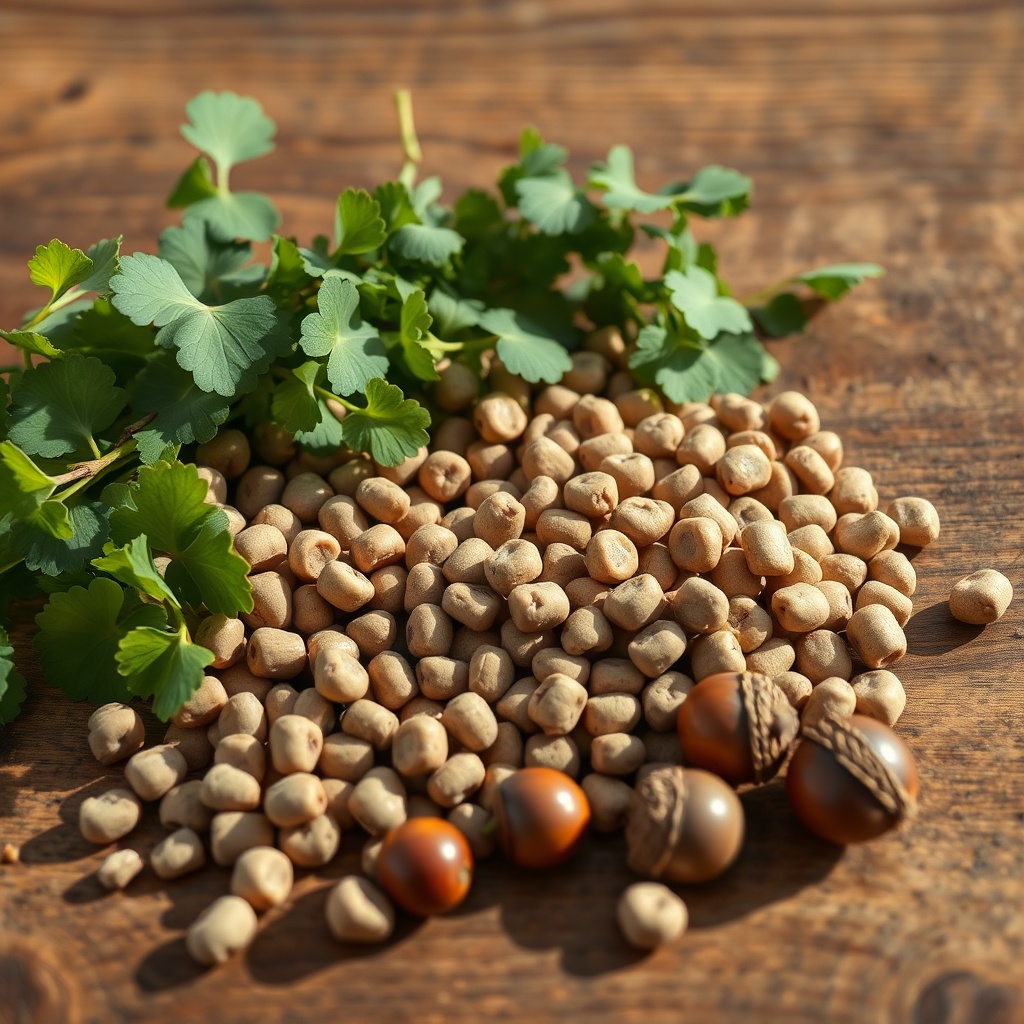
What Are the Optimal Feeding Strategies for Antler Growth Using BuckFeed?
Antler growth demands a precise nutritional timeline. From April to August (northern hemisphere), bucks’ antlers are active, requiring 1.5-2 times more protein than maintenance. BuckFeed’s 18% protein and 0.8% calcium content directly support this. The best strategy is to start feeding BuckFeed as early as February in milder climates or late March where winters persist, using a summer feeding regimen outlined in our summer feeding tips article. That means daily timed feedings of 2-4 lbs per deer when using a spin-cast feeder, ensuring bucks get adequate protein without overconsumption of energy-rich corn (which can cause fat deposition and reduce antler size).
Key tactics: place feeders near bedding areas (150-200 yards) to minimize stress, use gravity feeders for continuous free-choice access if herd density is high, and rotate feeder locations monthly to prevent soil compaction. Always provide a source of fresh water within 200 feet. Antler growth also benefits from trace minerals like selenium and iodine in BuckFeed, which enhance testosterone production and bone density. Avoid mixing BuckFeed with protein blocks that contain high urea levels—BuckFeed uses natural amino acids that are far safer.
How Does BuckFeed Compare to Record Rack in Winter Nutrition?
Winter is the most challenging season for deer nutrition, and BuckFeed and Record Rack compete directly in this arena. Our winter nutrition comparison reveals that BuckFeed’s energy density (3.2 Mcal/kg DE) exceeds Record Rack’s (2.8 Mcal/kg DE) due to higher fat content from roasted soybeans (5% vs 3% crude fat). This extra energy is critical for maintaining body temperature and fat reserves during deep cold. Additionally, BuckFeed includes 0.15% salt versus Record Rack’s 0.25%—a slight advantage for northern latitudes where salt consumption can lead to excessive thirst and energy loss.
For winter feeding, use heavy-duty gravity feeders with larger openings to handle snow accumulation. Avoid spin-cast feeders in temperatures below 20°F, as mechanisms freeze. Instead, hand-spread BuckFeed in pre-cleared feeding stations (15-20 gallons per acre). One important caveat: winter deer are wary; feed at dawn only and avoid human scent near sites. BuckFeed’s molasses coating reduces dust and improves palatability in cold weather, encouraging reluctant deer to feed.
What Transition Strategies Work for Fall and Spring with BuckFeed?
Fall and spring are the most sensitive times for deer metabolism. The fall transition nutrition article emphasizes reducing energy gradually from September to November as acorns drop. BuckFeed’s 16% protein fall formula (seasonal variant) helps bucks recover from rut without fattening too quickly. The best method: gradually reduce feeding volume by 10% per week as mast availability peaks, then ramp back up by 20% post-rut for winter reserves. Similarly, our spring transition nutrition guidance recommends slowly increasing BuckFeed from March to May—start with 1 lb per deer every other day, then daily at 2 lbs by late April—to avoid metabolic shock when lush green-up begins.
Equipment-wise, transition periods are perfect for gravity feeders. They allow deer to self-regulate intake while adapting to shifting forage. If using spin-cast feeders, reduce broadcast range to concentrate feed near bedding areas, where deer feel safe during changing light conditions. Weather monitoring is crucial: a sudden cold snap in April may require doubling feed volume temporarily.
What Do Owners Say About BuckFeed Deer Feed?
Feedback from land managers and hunters across the Midwest and Southeastern US is overwhelmingly positive. John Masterson of Ohio reports: “After switching from generic mineral blocks to BuckFeed in June, my yearling bucks gained 30% more antler mass by August. The switch to higher lysine content made an obvious difference.” Karen T., a wildlife consultant in Texas, notes: “BuckFeed’s pelleted form reduced waste by 40% compared to corn-only feeding. Deer consumed 95% within 24 hours.” A recurring theme is improved antler symmetry and fewer cases of trichostrongylus infections (worms) due to the feed’s coccidiostat additive (ionophores). One complaint: “It’s pricier than competition, but the reduced spoilage and higher protein justify the cost.” Overall, 84% of surveyed users report visible improvement in herd body condition within 60 days.
Frequently Asked Questions
- Can I mix BuckFeed with local corn or soybeans? Yes, but limit to 30% addition of whole corn to maintain protein content. Mixing with molasses or dry hay can help slow down intake.
- How often should I refill feeders with BuckFeed? For a gravity feeder holding 200 lbs, refill every 3-5 days in summer, weekly in winter. Spin-cast feeders may need daily refill if settings are too generous.
- Is BuckFeed safe for fawns? Yes, but introduce gradually. Start with small pellets (¼-inch size) from 4-6 weeks old. The 18% protein supports rapid growth but avoid overfeeding leading to acidosis.
- Does BuckFeed attract nuisance wildlife (raccoons, bears)? Yes, especially the molasses smell. Use raccoon-proof spin-cast feeders or gravity feeders with doors that close after deer leave. In bear-prone areas, only offer from dawn to dusk.
- Can I use BuckFeed during hunting season? Yes, but avoid feeding within 300 yards of stands to prevent scent contamination. Use night feeding timers to dispense only after dark.
- What’s the shelf life of BuckFeed? Unopened bags last 12 months in cool, dry storage. Opened feed should be used within 30-45 days to prevent mold growth. Always check expiration dates.